Reports
2010
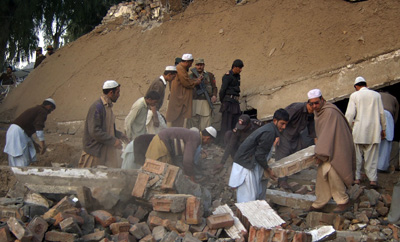

Video: Shining Light on a Dark Prison Cell
In this video companion to CPJ’s 2010 census of imprisoned journalists, Sri Lankan columnist J.S. Tissainayagam describes his own time in prison and how international advocacy can make a difference in winning the freedom of jailed reporters, editors, photojournalists, and bloggers. (4:09) Read the special report “Iran, China drive prison tally to 14-year high” and…
2010 Map
d6d6d6 ffffff no zoom ffffff 16 ffffff 990000 China: 3439,110/imprisoned/images/text.swf?n=CN: 34&c=FF000098.7563556583431javascript:showme(‘#china’); Iran: 3432.43561304116276,75/imprisoned/images/text.swf?n=IR: 34&c=FF000098.7563556583431javascript:showme(‘#iran’); Cuba: 421.521757,-77.781167/imprisoned/images/text.swf?n=CU: 4&c=73000050.298221281347javascript:showme(‘#cuba’); Eritrea: 173,40/imprisoned/images/text.swf?n=ER: 17&c=F5000077.1536192416212javascript:showme(‘#eritrea’); Azerbaijan: 155,46/imprisoned/images/text.swf?n=AZ: 1&c=55000037.6491106406735javascript:showme(‘#azerbaijan’); Burma: 1316,107/imprisoned/images/text.swf?n=BU: 13&c=CD000070.6070170039655javascript:showme(‘#burma’); Uzbekistan: 660,62/imprisoned/images/text.swf?n=UZ: 6&c=87000055.9838667696593javascript:showme(‘#uzbekistan’); Ethiopia: 4-14,40.489/imprisoned/images/text.swf?n=ET: 4&c=73000050.298221281347javascript:showme(‘#ethiopia’); Egypt: 123.5,23/imprisoned/images/text.swf?n=EG: 1&c=55000037.6491106406735javascript:showme(‘#egypt’); Turkey: 444,21/imprisoned/images/text.swf?n=TR: 4&c=73000050.298221281347javascript:showme(‘#turkey’); Gambia: 111,-15.310/imprisoned/images/text.swf?n=GM: 1&c=55000037.6491106406735javascript:showme(‘#gambia’); Iraq: 144,47/imprisoned/images/text.swf?n=IQ: 1&c=55000037.6491106406735javascript:showme(‘#iraq’); Russia: 161.52401,105.318756/imprisoned/images/text.swf?n=RU: 1&c=55000037.6491106406735javascript:showme(‘#russia’); Vietnam: 519.5,130/imprisoned/images/text.swf?n=VN: 5&c=7D000053.2842712474619javascript:showme(‘#vietnam’); Syria: 234.802075,35/imprisoned/images/text.swf?n=SY: 2&c=5F000042.8885438199983javascript:showme(‘#syria’); Saudi…
Video Report: In pursuit of justice
A year after the massacre in Maguindanao province, a faltering Philippine legal system struggles to bring justice. From the murder scene in Ampatuan to the presidential palace in Manila, a CPJ delegation travels the country to examine the shocking attack and the many obstacles to winning convictions. Family members, justice officials, and political leaders talk…
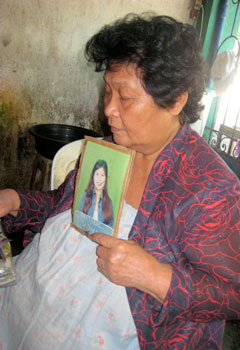
Impunity on trial in the Philippines
The prosecution of dozens of defendants in the 2009 Maguindanao murders is testing a faltering judicial system in the Philippines. Bribes, intimidation, attacks, and flawed detective work already threaten to undermine the government’s case. Will this massacre go unpunished? A CPJ special report by Shawn W. Crispin

Audio report: Impunity on trial in the Philippines
In our special report, “Impunity on trial in the Philippines,” CPJ examines the troubled prosecution of defendants in the 2009 massacre of more than 30 journalists and media support workers in Maguindanao province. Among other problems, CPJ found that local investigators mishandled forensic evidence and failed to cooperate with federal prosecutors. Listen to the mp3…