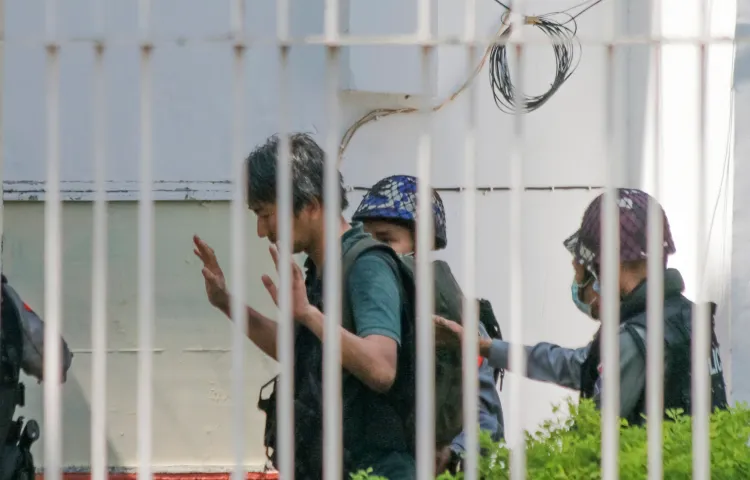
Number of journalists behind bars reaches global high
Editor’s note: Numbers for each prison census are adjusted yearly as CPJ learns of arrests, releases, or deaths in prison. The numbers for CPJ’s 2021 census have been revised from 293 to 302 in accordance with this policy. For the most recent data, see cpj.org/data/imprisoned/ The number of journalists jailed around the world set another record…
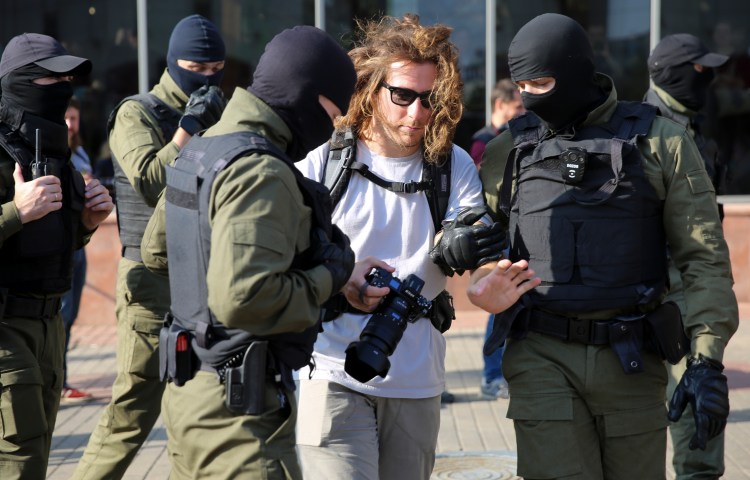
Record number of journalists jailed worldwide
Editor’s note: In 2019, CPJ published a new database of attacks on the press. Numbers for each subsequent prison census are liable to adjust yearly as CPJ learns of arrests, releases, or deaths in prison. For the most recent data, see cpj.org/data/imprisoned/. The number of journalists jailed globally because of their work hit a new high in 2020…
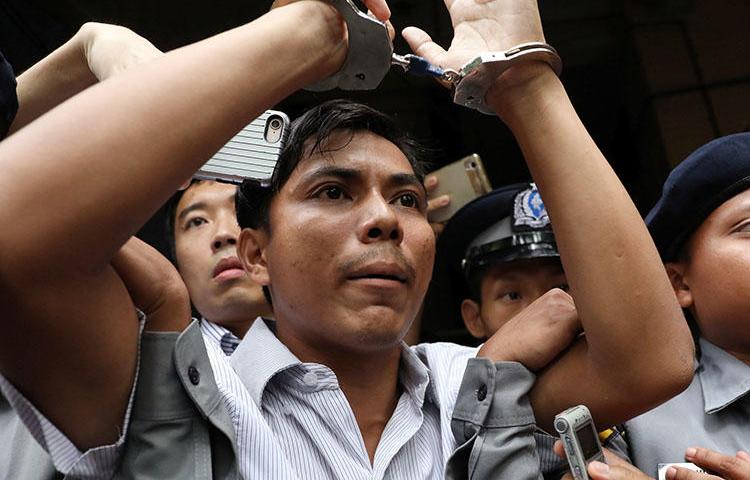
Hundreds of journalists jailed globally becomes the new normal
For the third year in a row, 251 or more journalists are jailed around the world, suggesting the authoritarian approach to critical news coverage is more than a temporary spike. China, Egypt, and Saudi Arabia imprisoned more journalists than last year, and Turkey remained the world’s worst jailer. A CPJ special report by Elana Beiser
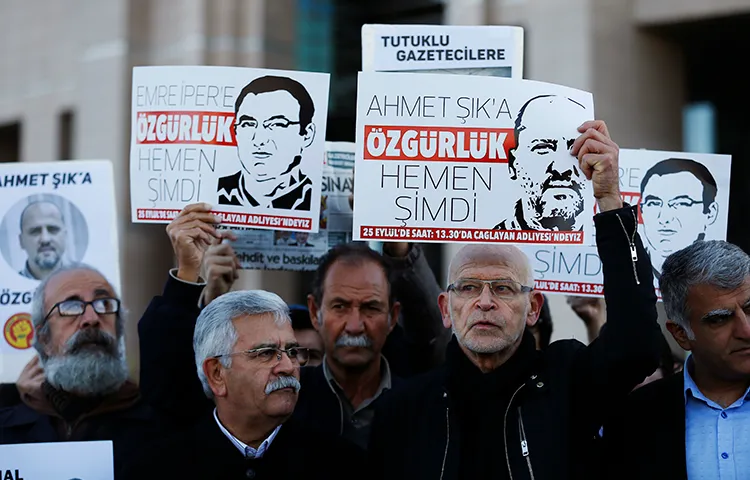
Record number of journalists jailed as Turkey, China, Egypt pay scant price for repression
For the second year in a row, the number of journalists imprisoned for their work hit a historical high, as the U.S. and other Western powers failed to pressure the world’s worst jailers–Turkey, China, and Egypt–into improving the bleak climate for press freedom. A CPJ special report by Elana Beiser
Turkey’s crackdown propels number of journalists in jail worldwide to record high
At least 81 journalists are imprisoned in Turkey, all of them facing anti-state charges, in the wake of an unprecedented crackdown that has included the shuttering of more than 100 news outlets. The 259 journalists in jail worldwide is the highest number recorded since 1990. A CPJ special report by Elana Beiser
China, Egypt imprison record numbers of journalists
Egypt is second only to China as the world’s worst jailer of journalists in 2015. Worldwide, the number of journalists behind bars for their work declined moderately during the year, but a handful of countries continue to use systematic imprisonment to silence criticism. A CPJ special report by Elana Beiser
Slideshow: Journalists freed
While just under 200 journalists are behind bars, CPJ witnessed several memorable releases in 2015, including in Vietnam, Ethiopia, and even secretive Eritrea. Some of the journalists had spent years behind bars; they endured isolation and several say they were tortured. This year, CPJ’s advocacy contributed to the release of at least 31 journalists. Some…
Balancing Act
Digital Europe The EU has been striving to recover what Commissioner for Digital Economy and Society Günther Oettinger described at a May 2015 press conference as digital sovereignty in a global market dominated by U.S. companies, but if this ambition is not strictly framed by human rights standards, press freedom on the Internet may be…
China is world’s worst jailer of the press; global tally second worst on record
More than 200 journalists are imprisoned for their work for the third consecutive year, reflecting a global surge in authoritarianism. China is the world’s worst jailer of journalists in 2014. A CPJ special report by Shazdeh Omari
Ten journalists to free from prison
On World Press Freedom Day, CPJ calls for the release of all jailed journalists By Shazdeh Omari/CPJ News Editor New York, April 29, 2014—Uzbek editor Muhammad Bekjanov has been in jail for 15 years, one of the longest imprisonments of journalists worldwide. Prominent Iranian journalist Siamak Ghaderi was imprisoned in 2010 and has been beaten…