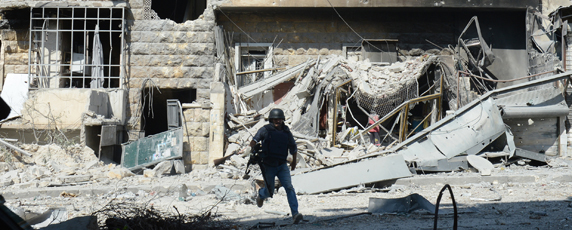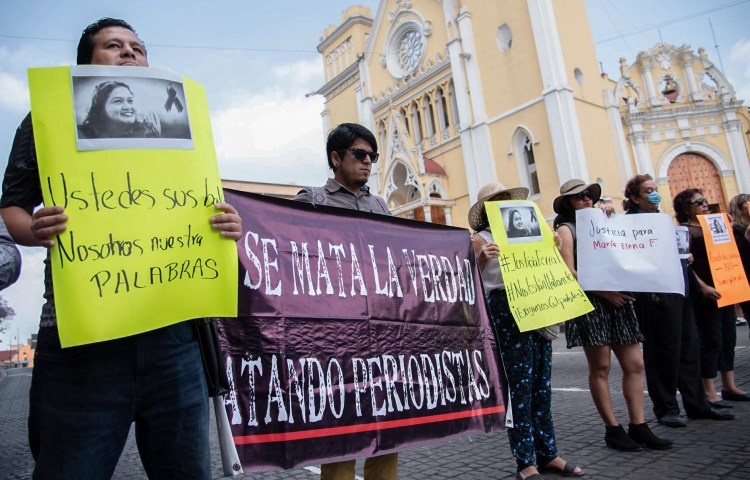
Murders of journalists more than double worldwide
Retaliatory killings of journalists worldwide rose significantly in 2020 from the previous year, but deaths covering war dropped sharply. A CPJ special report by Jennifer Dunham December 22, 2020 NEW YORK The number of journalists murdered in retaliation for their work more than doubled in 2020, as criminal gangs and militant groups targeted reporters working…
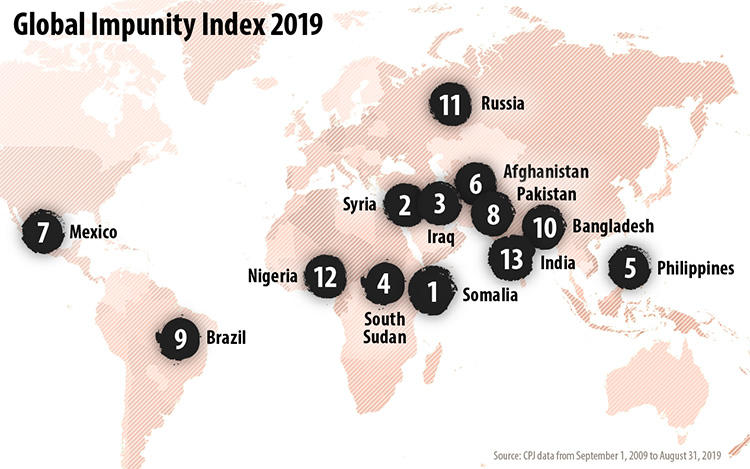
Getting Away with Murder
CPJ’s 2019 Global Impunity Index spotlights countries where journalists are slain and their killers go free Published October 29, 2019 Somalia is the world’s worst country for the fifth year in a row when it comes to prosecuting murderers of journalists, CPJ’s 2019 Global Impunity Index found. War and political instability have fostered a deadly…
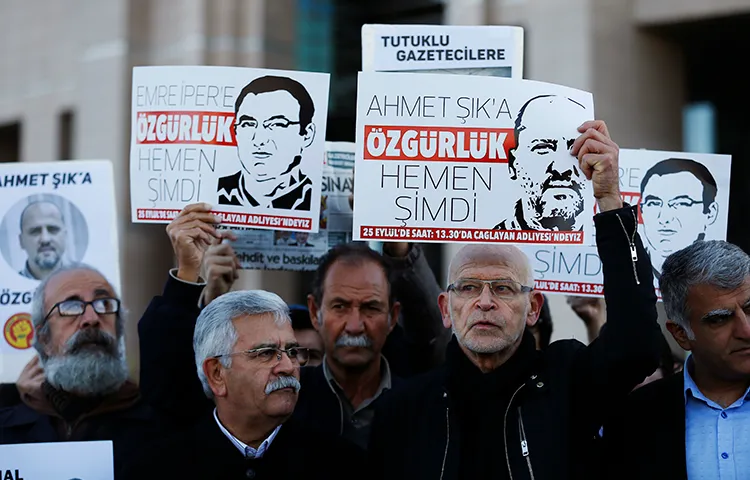
Record number of journalists jailed as Turkey, China, Egypt pay scant price for repression
For the second year in a row, the number of journalists imprisoned for their work hit a historical high, as the U.S. and other Western powers failed to pressure the world’s worst jailers–Turkey, China, and Egypt–into improving the bleak climate for press freedom. A CPJ special report by Elana Beiser

Turkey’s crackdown propels number of journalists in jail worldwide to record high
At least 81 journalists are imprisoned in Turkey, all of them facing anti-state charges, in the wake of an unprecedented crackdown that has included the shuttering of more than 100 news outlets. The 259 journalists in jail worldwide is the highest number recorded since 1990. A CPJ special report by Elana Beiser
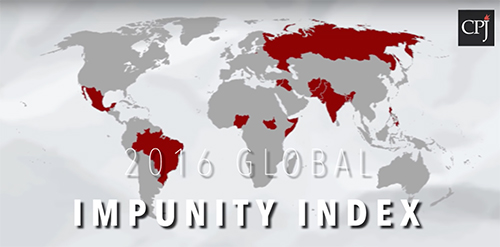
Getting Away With Murder
CPJ’s 2016 Global Impunity Index spotlights countries where journalists are slain and the killers go free By Elisabeth Witchel, CPJ Impunity Campaign Consultant Published October 27, 2016. Some of the highest rates of impunity in the murders of journalists can be attributed to killings by Islamist militant groups, CPJ found in its latest Global Impunity…
Getting Away With Murder
CPJ’s 2015 Global Impunity Index spotlights countries where journalists are slain and the killers go free Published October 8, 2015 Elisabeth Witchel/CPJ Impunity Campaign Consultant The ambush of a convoy in South Sudan and the hacking deaths of bloggers in Bangladesh this year propelled the two nations onto CPJ’s Global Impunity Index, which spotlights countries…
Getting Away With Murder
CPJ’s 2014 Global Impunity Index spotlights countries where journalists are slain and the killers go free IraqUnsolved Murders: 100Population: 32.6 millionRank: 1 SomaliaUnsolved Murders: 26Population: 10.2 millionRank: 2 The PhilippinesUnsolved Murders: 51Population: 96.7 millionRank: 3 Sri LankaUnsolved Murders: 9Population: 20.3 millionRank: 4 SyriaUnsolved Murders: 7Population: 22.4 millionRank: 5 AfghanistanUnsolved Murders: 5Population: 29.8 millionRank: 6 MexicoUnsolved…