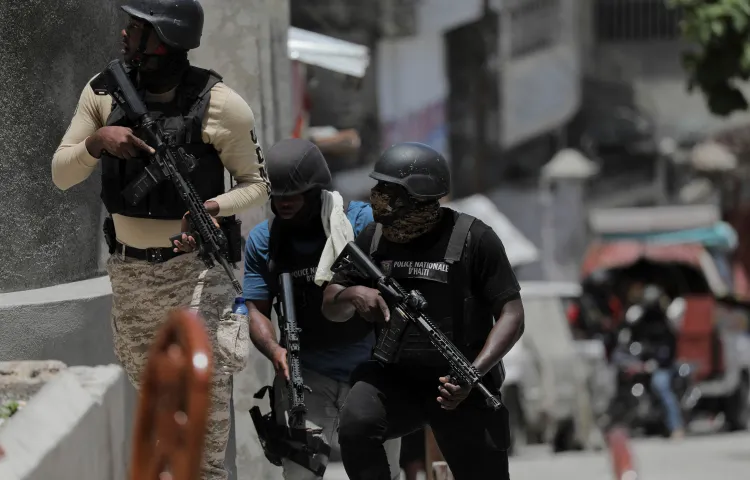
Haiti joins list of countries where killers of journalists most likely to go unpunished
By Arlene Getz/CPJ Editorial Director The persistent lack of justice for murdered reporters is a major threat to press freedom. Ten years after the United Nations declared an international day to end impunity for crimes against journalists – and more than 30 years after CPJ began documenting these killings – almost 80% of their killings…

Number of jailed journalists spikes to new global record
The number of journalists jailed around the world set yet another record in 2022. In a year marked by conflict and repression, authoritarian leaders doubled down on their criminalization of independent reporting, deploying increasing cruelty to stifle dissenting voices and undermine press freedom. Published December 14, 2022 By Arlene Getz/CPJ Editorial Director Worst Offenders |…
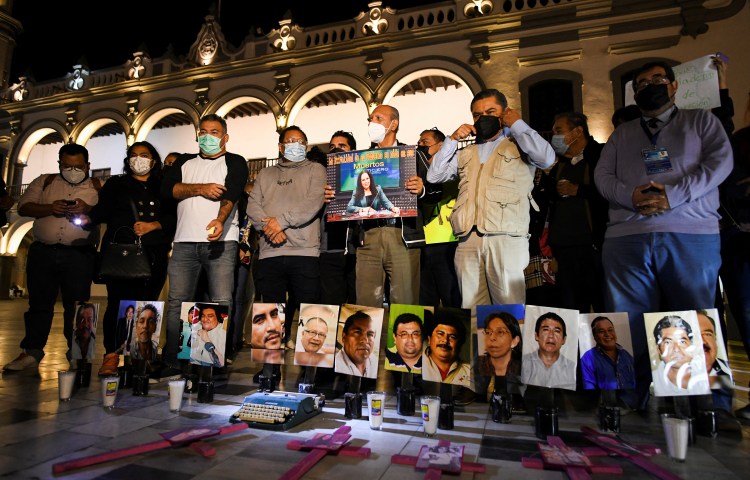
Killing with impunity: Vast majority of journalists’ murderers go free
By Jennifer Dunham/CPJ Deputy Editorial Director No one has been held to account in nearly 80% of journalist murders during the last 10 years, CPJ’s 2022 Global Impunity Index found, and governments show little interest in tackling the issue. Published November 1, 2022 Statistical table | Methodology | Database: All journalists murdered for their work…

Special report: When spyware turns phones into weapons
How zero-click surveillance threatens reporters, sources, and global press freedom By Fred Guterl Published October 13, 2022 Aida Alami has always been wary of surveillance. As a journalist from Morocco, a state with a track record of intercepting phone calls and messages of political rivals, activists, and journalists, she habitually took precautions to protect her…
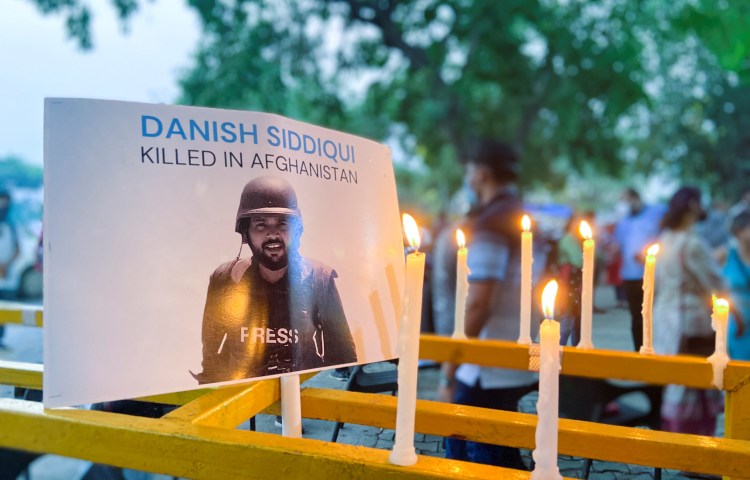
Attacks on the press: The deadliest countries in 2021
By Jennifer Dunham/CPJ Deputy Editorial Director Published January 19, 2022 At least 28 journalists were killed due to their work in 2021, with India and Mexico topping the list of countries with the most media worker deaths, according to the Committee to Protect Journalists’ final data for the year. Of the total – which has…
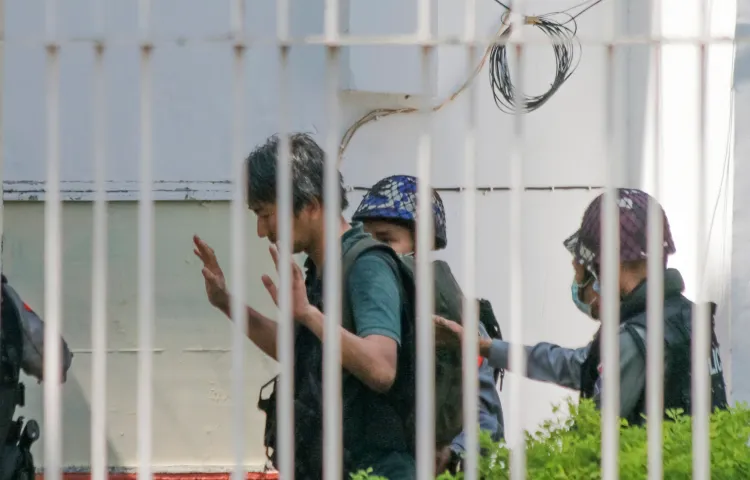
Number of journalists behind bars reaches global high
Editor’s note: Numbers for each prison census are adjusted yearly as CPJ learns of arrests, releases, or deaths in prison. The numbers for CPJ’s 2021 census have been revised from 293 to 302 in accordance with this policy. For the most recent data, see cpj.org/data/imprisoned/ The number of journalists jailed around the world set another record…
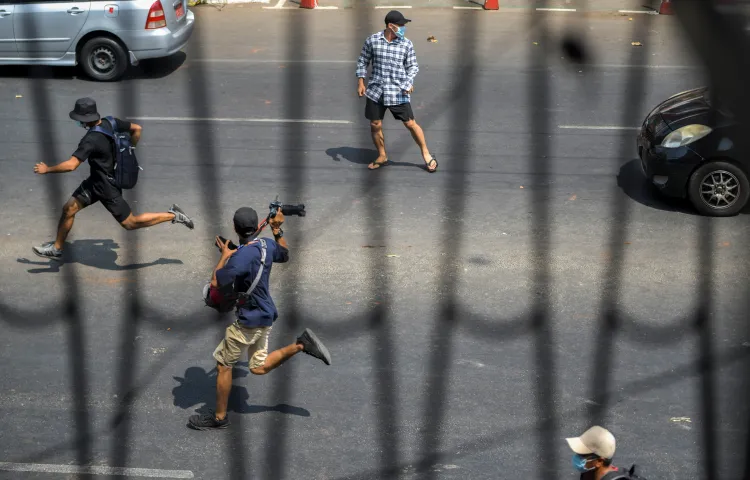
Bitter reversal: Myanmar military coup wipes out press freedom gains
Myanmar’s junta has effectively criminalized independent journalism, arresting and charging journalists, closing news outlets, restricting access for international reporters, and driving journalists underground or into exile. Within a few months of the February military coup, the country has become one of the world’s worst jailers of journalists. A CPJ special report by Shawn W. Crispin…
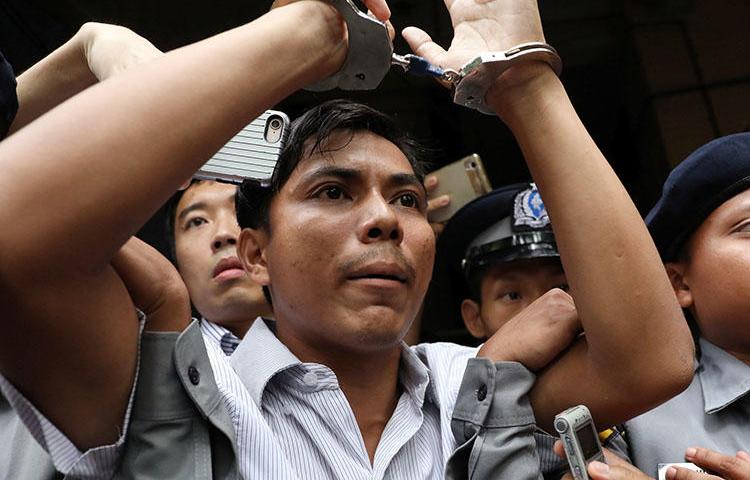
Hundreds of journalists jailed globally becomes the new normal
For the third year in a row, 251 or more journalists are jailed around the world, suggesting the authoritarian approach to critical news coverage is more than a temporary spike. China, Egypt, and Saudi Arabia imprisoned more journalists than last year, and Turkey remained the world’s worst jailer. A CPJ special report by Elana Beiser
Turkey’s crackdown propels number of journalists in jail worldwide to record high
At least 81 journalists are imprisoned in Turkey, all of them facing anti-state charges, in the wake of an unprecedented crackdown that has included the shuttering of more than 100 news outlets. The 259 journalists in jail worldwide is the highest number recorded since 1990. A CPJ special report by Elana Beiser
China, Egypt imprison record numbers of journalists
Egypt is second only to China as the world’s worst jailer of journalists in 2015. Worldwide, the number of journalists behind bars for their work declined moderately during the year, but a handful of countries continue to use systematic imprisonment to silence criticism. A CPJ special report by Elana Beiser