Forced to flee: Exiled journalists face unsafe passage and transnational repression
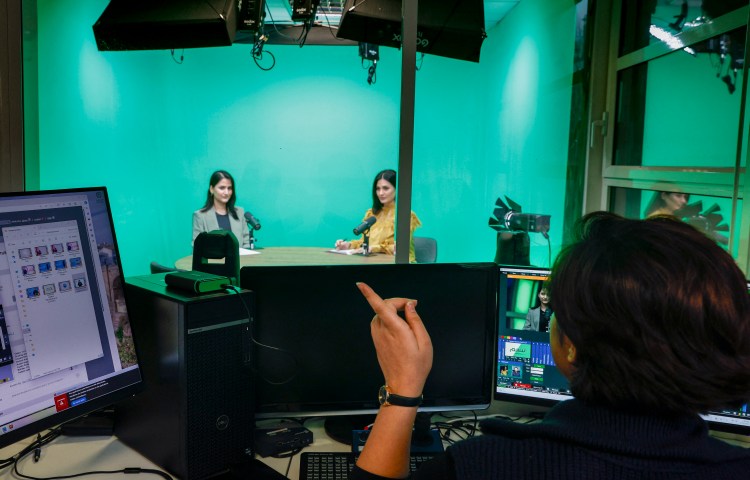
By Lucy Westcott/CPJ Emergencies Director Threats, repression, conflict, and unrest: across the world, these and other factors are pushing journalists into exile in record numbers. In a striking development, exiled or soon-to-be exiled journalists now make up more than half of the people CPJ assists. Between January and June 2024, CPJ provided financial support to…

Number of jailed journalists spikes to new global record
The number of journalists jailed around the world set yet another record in 2022. In a year marked by conflict and repression, authoritarian leaders doubled down on their criminalization of independent reporting, deploying increasing cruelty to stifle dissenting voices and undermine press freedom. Published December 14, 2022 By Arlene Getz/CPJ Editorial Director Worst Offenders |…
Murders of journalists more than double worldwide
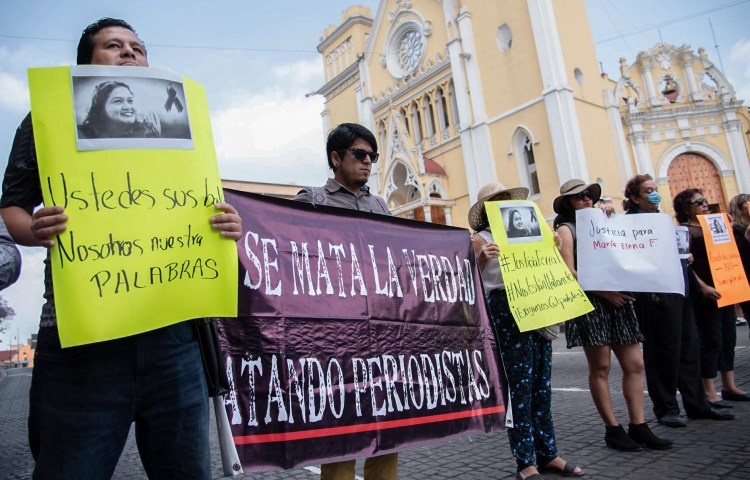
Retaliatory killings of journalists worldwide rose significantly in 2020 from the previous year, but deaths covering war dropped sharply. A CPJ special report by Jennifer Dunham December 22, 2020 NEW YORK The number of journalists murdered in retaliation for their work more than doubled in 2020, as criminal gangs and militant groups targeted reporters working…
Record number of journalists jailed worldwide
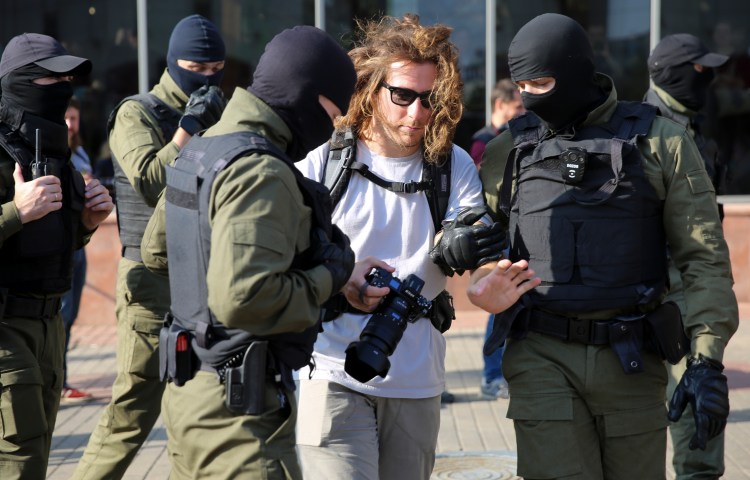
Editor‘s note: In 2019, CPJ published a new database of attacks on the press. Numbers for each subsequent prison census are liable to adjust yearly as CPJ learns of arrests, releases, or deaths in prison. For the most recent data, see cpj.org/data/imprisoned/. The number of journalists jailed globally because of their work hit a new high in 2020…
10 Most Censored Countries
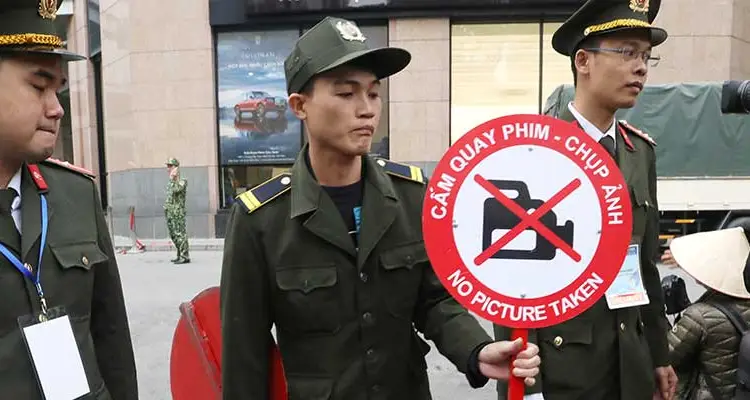
Repressive governments use sophisticated digital censorship and surveillance alongside more traditional methods to silence independent media. A special report by the Committee to Protect Journalists. Published September 10, 2019 Eritrea is the world’s most censored country, according to a list compiled by the Committee to Protect Journalists. The list is based on CPJ’s research into the…
Hundreds of journalists jailed globally becomes the new normal
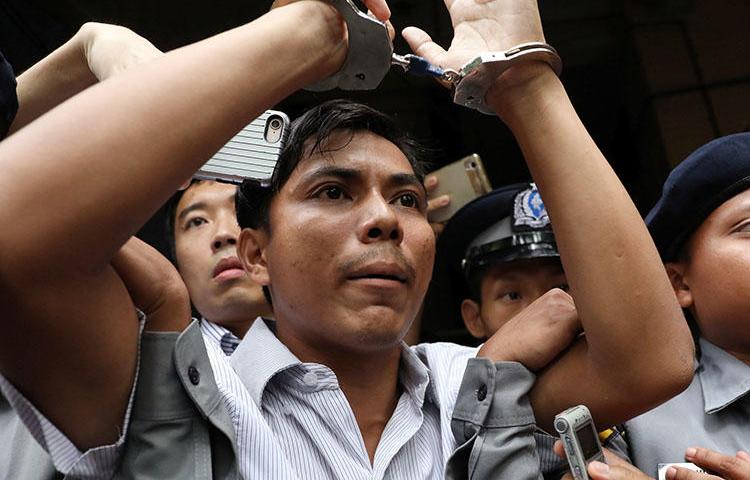
For the third year in a row, 251 or more journalists are jailed around the world, suggesting the authoritarian approach to critical news coverage is more than a temporary spike. China, Egypt, and Saudi Arabia imprisoned more journalists than last year, and Turkey remained the world’s worst jailer. A CPJ special report by Elana Beiser
On the table
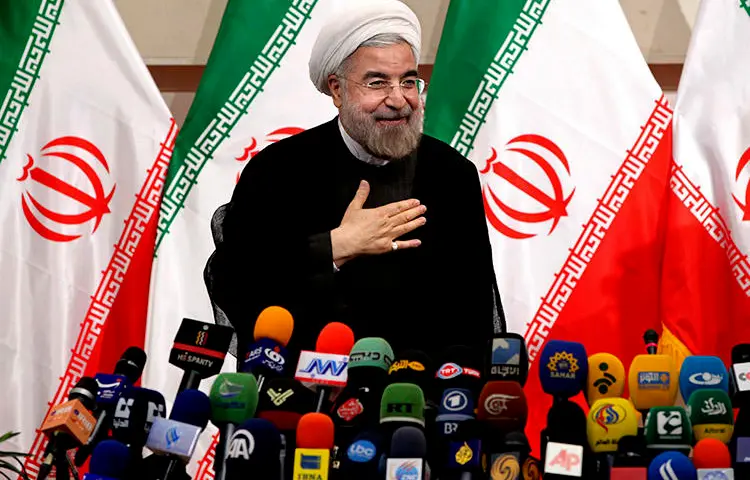
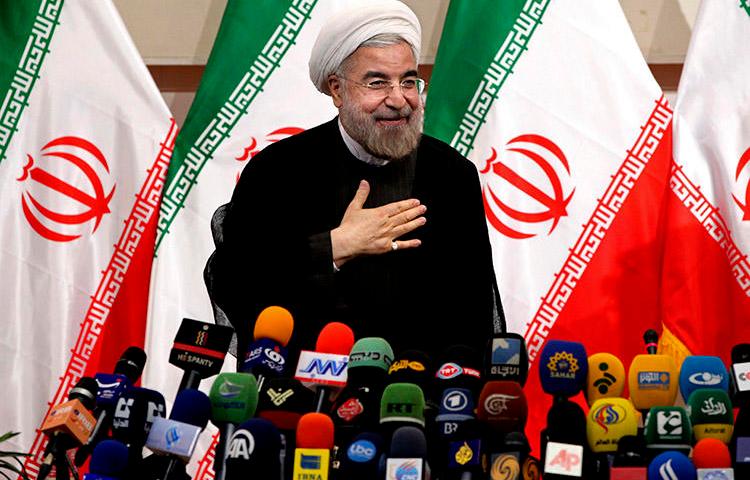
Why now is the time to sway Rouhani to meet his promises for press freedom in Iran President Hassan Rouhani came to power in 2013 on a platform of pledges to roll back the repressive policies of his predecessor, Mahmoud Ahmadinejad, who decimated Iran’s once vibrant media. Rouhani, seeking to create space for political reform…
On the table: Why now is the time to sway Rouhani to meet his promises for press freedom in Iran
President Hassan Rouhani sought re-election on the promise of a more open Iran. But little has changed for the press, as hardliners in the judiciary and other powerful institutions jail journalists, block websites, and maintain a climate of fear with harassment and surveillance. The current international focus on Iran and its economic ties with Europe…