In Tunisia, press freedom erodes amid security fears
Hard-earned press freedom in Tunisia is under threat as journalists are squeezed between violent extremists and security services sensitive to criticism in the wake of deadly terror attacks. While Islamist militants threaten the media, the government introduces restrictive legislation and security forces legally harass and even assault journalists. In this climate, which is further restricted…
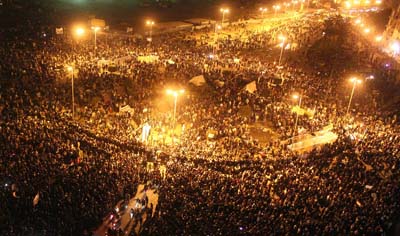
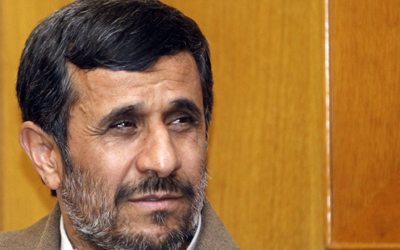
The 10 Tools of Online Oppressors
The world’s worst online oppressors are using an array of tactics, some reflecting astonishing levels of sophistication, others reminiscent of old-school techniques. From China’s high-level malware attacks to Syria’s brute-force imprisonments, this may be only the dawn of online oppression. A CPJ special report by Danny O’Brien
Audio Report: The 10 Tools of Online Oppressors
In our special report, “The 10 Tools of Online Oppressors,” CPJ examines the 10 prevailing strategies of online oppression worldwide and the countries that have taken the lead in their use. In this accompanying podcast, CPJ Deputy Director Robert Mahoney notes that these strategies range from sophisticated cyber-attacks to traditional brute-force techniques. Listen to the…

CPJ’s 2009 prison census: Freelance journalists under fire
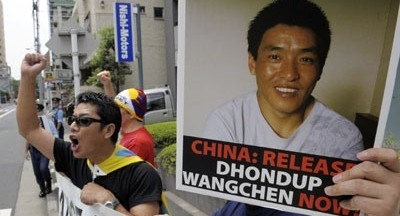
New York, December 8, 2009—Freelancers now make up nearly 45 percent of all journalists jailed worldwide, a dramatic recent increase that reflects the evolution of the global news business, the Committee to Protect Journalists said today. In its annual census of imprisoned journalists, CPJ found a total of 136 reporters, editors, and photojournalists behind bars…
Audio Report: Middle East Bloggers
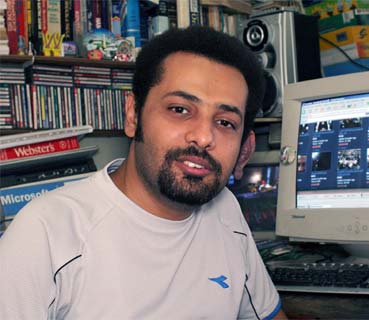
In our special report “Middle East Bloggers: The Street Leads Online,” CPJ’s Mohamed Abdel Dayem says blogging has become a crucial front in the region’s struggle for freedom of expression. Here, Abdel Dayem describes how two regional trends–booming Internet audiences and repression of traditional media–have made blogging a vibrant news alternative. Listen to the mp3…
Audio Report: Worst Countries to be a Blogger
In our special report, “10 Worst Countries to be a Blogger,” CPJ names the world’s leading online oppressors. Here, Deputy Director Robert Mahoney explains why CPJ undertook this report and how it arrived at its conclusions. Listen to the mp3 on the player above, or right click here to download. (5:34) Read “10 Worst…