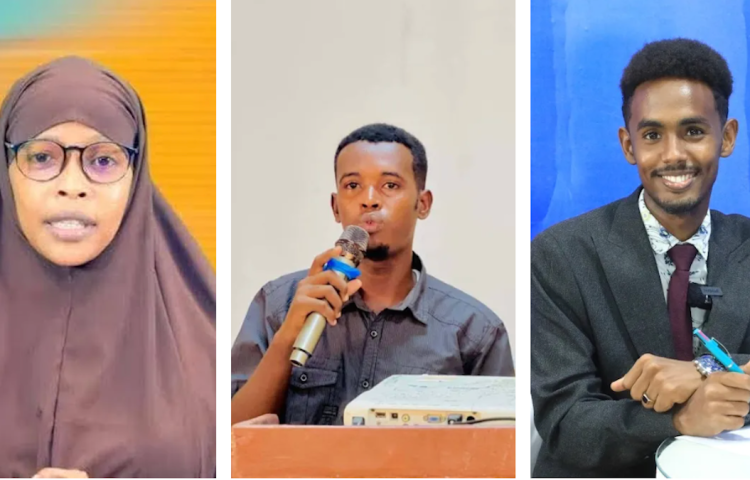
‘Alarming escalation’: At least 41 journalists targeted since March in Somalia
Somali security personnel have arrested, assaulted, or harassed at least 41 private-media journalists since mid-March, in what local press rights groups have called a “painful experience” and an “alarming escalation” in attacks on the media. Most of these press freedom violations were connected to coverage of national security issues, including theprotracted conflict between the government…

Somali journalist Mohamed Isse Hassan killed in Mogadishu bomb blast
Nairobi, November 2, 2022—The Committee to Protect Journalists on Wednesday called for accountability for the killing of broadcast journalist Mohamed Isse Hassan and the injuries suffered by two other journalists and one media worker in October 29 twin bomb blasts in the Somali capital, Mogadishu. At least 120 people were killed in two car bomb…

Somali intelligence personnel arrest press rights advocate Abdalle Ahmed Mumin
Nairobi, October 11, 2022—In response to reports of the arrest of Somali press freedom advocate and freelance journalist Abdalle Ahmed Mumin, the Committee to Protect Journalists issued the following statement on Tuesday calling for his immediate release: “Abdalle Ahmed Mumin is a fearless and tireless advocate for the rights of Somali journalists to report the…
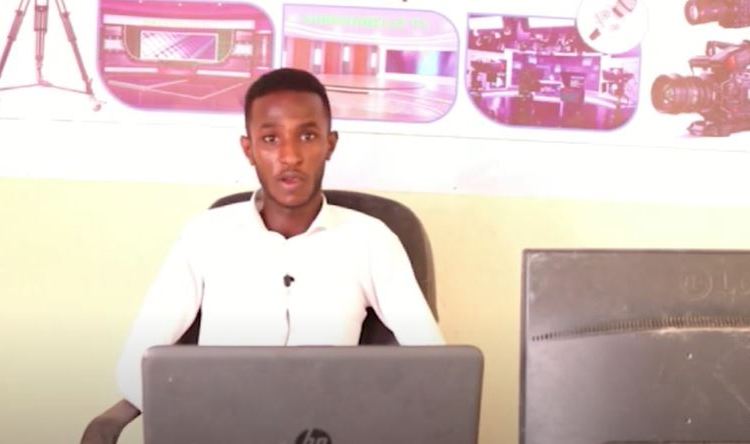
Somali journalist Ahmed Mohamed Shukur killed while covering security operation
Nairobi, October 3, 2022 — In response to reports that Somali National TV journalist Ahmed Mohamed Shukur was killed in a bomb attack on Friday, September 30, the Committee to Protect Journalists issued the following statement: “Ahmed Mohamed Shukur joins a long list of Somali journalists who have lost their lives while reporting the news,…
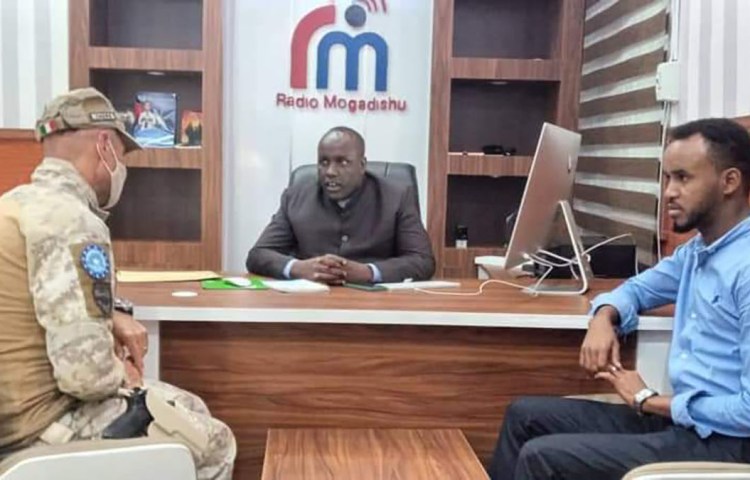
Somali journalist Abdiaziz Mohamud Guled killed, two others injured, in bombing claimed by Al-Shabaab
New York, November 22, 2021 – Somali authorities should thoroughly investigate the suicide bombing that killed Abdiaziz Mohamud Guled and injured Sharmarke Mohamed Warsame and Abdukadir Abdullahi Nur in the capital of Mogadishu on November 20, the Committee to Protect Journalists said today. Abdiaziz, a well-known journalist also known as Abdiaziz Afrika who worked as…
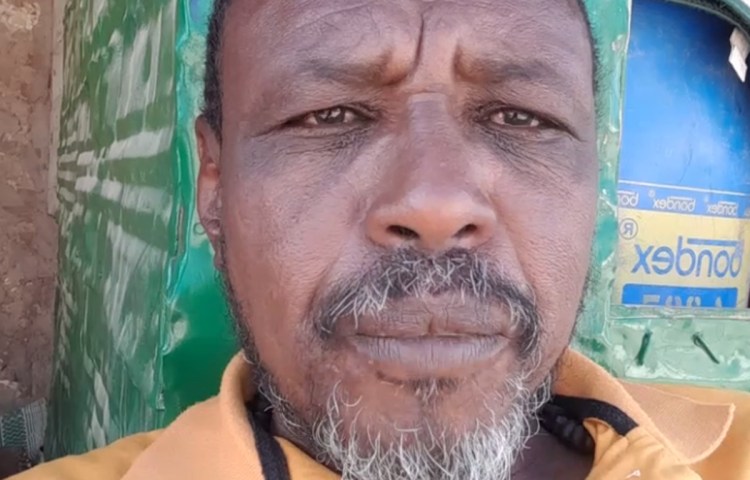
Somali journalist Jamal Farah Adan shot and killed, Al-Shabaab claims responsibility
Nairobi, March 4, 2021 — Authorities in the Somali semi-autonomous region of Puntland should conduct a swift and thorough investigation into the killing of journalist Jamal Farah Adan and hold those responsible to account, the Committee to Protect Journalists said today. In the evening of March 1, two unidentified men shot and killed Jamal outside…
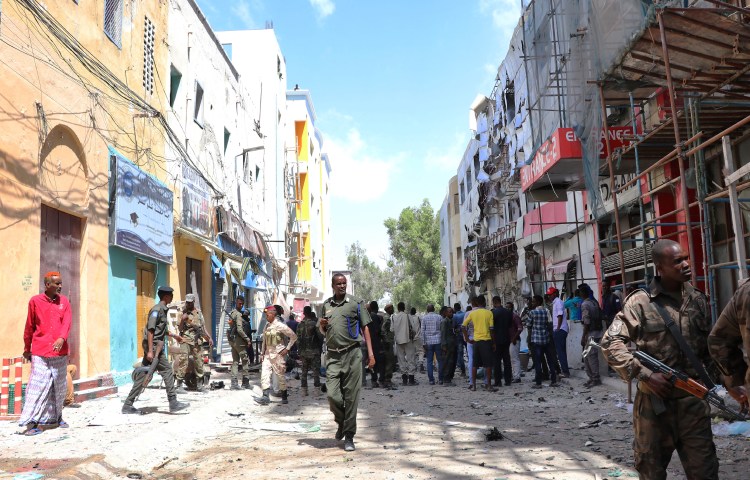
Somali radio journalist detained for 5 days after conducting interview
On October 17, 2020, Somali security personnel arrested Abdullahi Kulmiye Adow, a reporter with the local privately owned broadcaster Radio Kulmiye, days after he interviewed a businessman who professed support for the militant group Al-Shabaab, according to media reports and Abdullahi, who spoke to CPJ via messaging app. Abdullahi told CPJ that plain-clothed officers came…
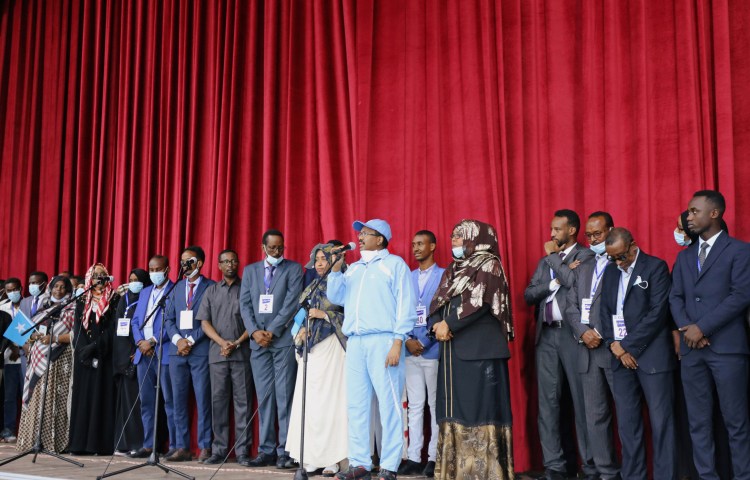
Somali military court acquits radio journalist Mohamed Abdiwahab Nuur
Nairobi, August 5, 2020—In response to a Somali military court’s decision today to acquit radio journalist Mohamed Abdiwahab Nuur of charges of murder and being a member of the militant group Al-Shabaab, the Committee to Protect Journalists issued the following statement: “We are glad that the military court affirmed Mohamed Abdiwahab Nuur’s innocence of trumped-up…
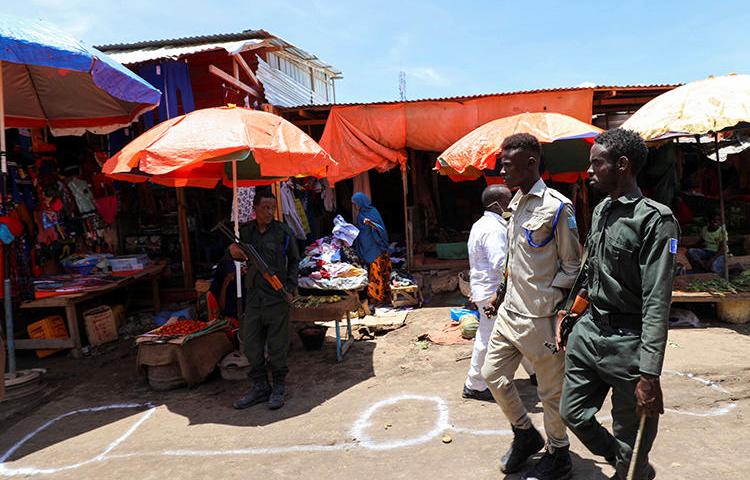
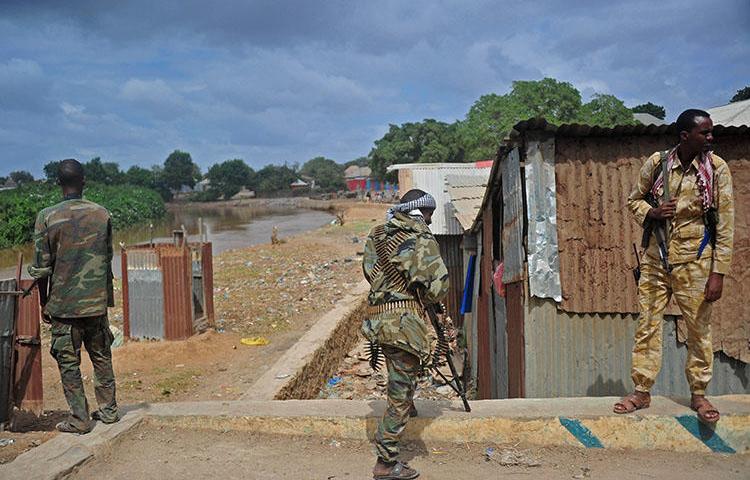
Somali freelancer Abdiwali Ali Hassan killed in Lower Shabelle region
New York, February 18, 2020–Somali broadcast journalist Abdiwali Ali Hassan was shot several times near his home in the town of Afgooye, about 30 km (19 miles) outside Somalia’s capital, Mogadishu, on February 16, and died on his way to the hospital, according to three local media organizations, his colleagues, and news reports.