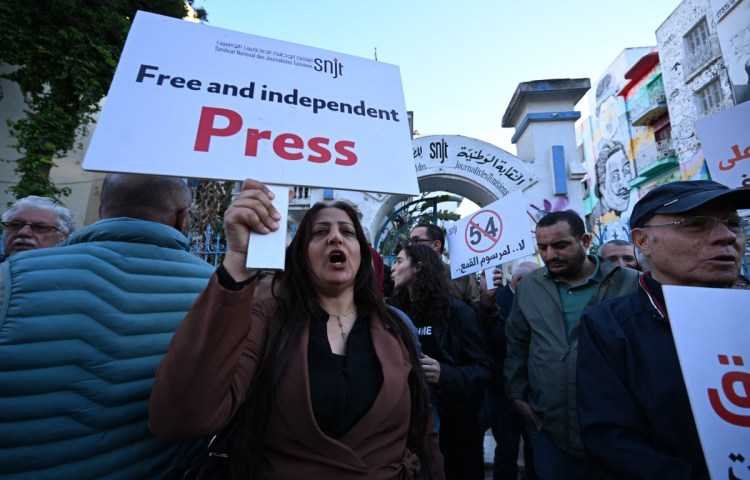
3 Tunisian journalists briefly detained as media crackdown intensifies
New York, September 24, 2026—The Committee to Protect Journalists on Thursday demanded that Tunisian authorities hold accountable those responsible for detaining and allegedly mistreating three local journalists from the independent news website Nawaat. “Tunisian security forces’ alleged use of deception to lure journalists into detention, attempts to access their phones without a judicial warrant, and threats…
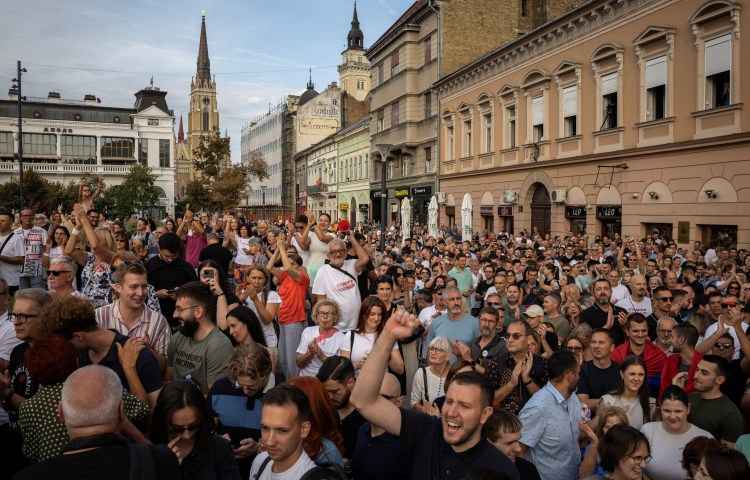
Assaulted and threatened: risks surge for journalists ahead of Serbia elections
Berlin, September 22, 2026—As Serbians prepare to vote in October parliamentary elections, journalists covering the polls are at serious risk of threats, violence and hostility of the sort that has become increasingly common during President Aleksandar Vučić’s time in office. Recent attacks on reporters covering political rallies ahead of the vote on October 25 provide an…
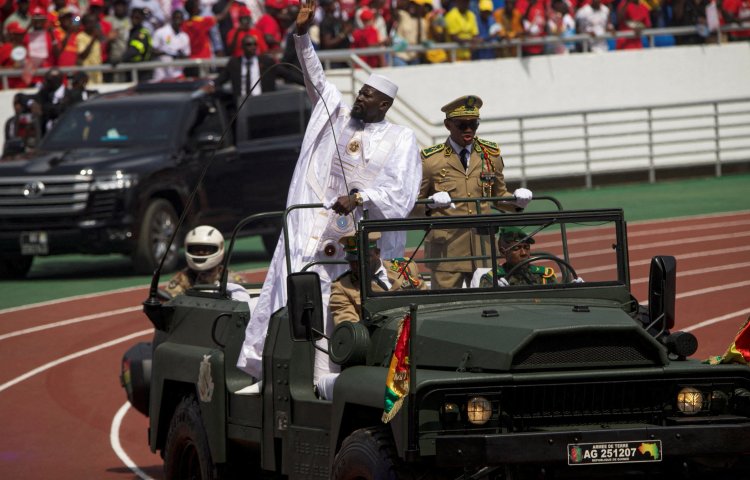
Guinea bans France 24, withdraws Jeune Afrique correspondent’s accreditation
Dakar, September 18, 2026—The Committee to Protect Journalists calls on Guinean authorities to reverse Thursday’s ban on France 24 after a presenter called President Mamadi Doumbouya a “putschist president“ and to reinstate the accreditation of the pan-African weekly Jeune Afrique’s Guinea correspondent Diawo Barry. “By prohibiting France 24 from broadcasting and Jeune Afrique’s Diawo Barry…

Netanyahu escalates threats against ‘NAZA’ filmmakers with proposed citizenship law
Paris, September 17, 2026 — Israeli Prime Minister Benjamin Netanyahu’s announcement that his government will seek legislation to revoke the citizenship of Israelis who “defame” Israeli soldiers abroad, explicitly citing the documentary “NAZA” and its filmmakers, investigative journalist Yuval Abraham and filmmaker Rachel Szor, is a dangerous escalation in official efforts to intimidate and punish…
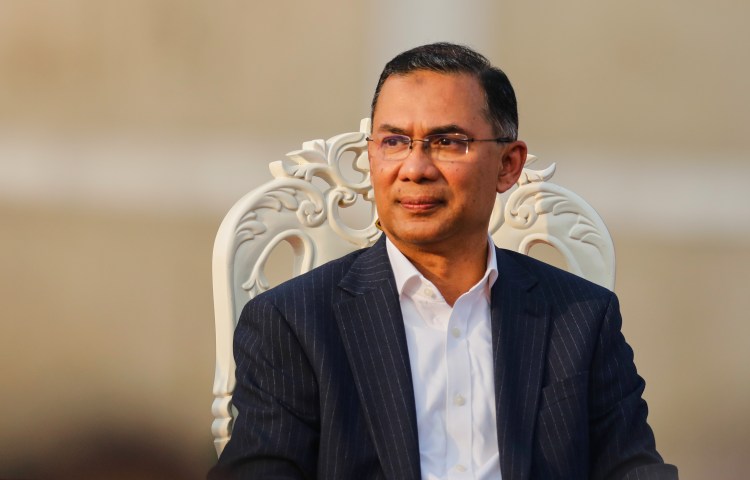
Bangladeshi journalists face 10-year jail terms for ‘unverified’ reporting under draft cybercrime law
Dhaka, September 14, 2026—Bangladesh’s government must immediately withdraw or substantially revise proposed amendments to the Cyber Protection Act that would criminalize reporting officials deem unverified, and grant authorities the power to block journalists’ work and deregister news outlets, the Committee to Protect Journalists said Monday. The draft amendments, which the Ministry of Information and Broadcasting…
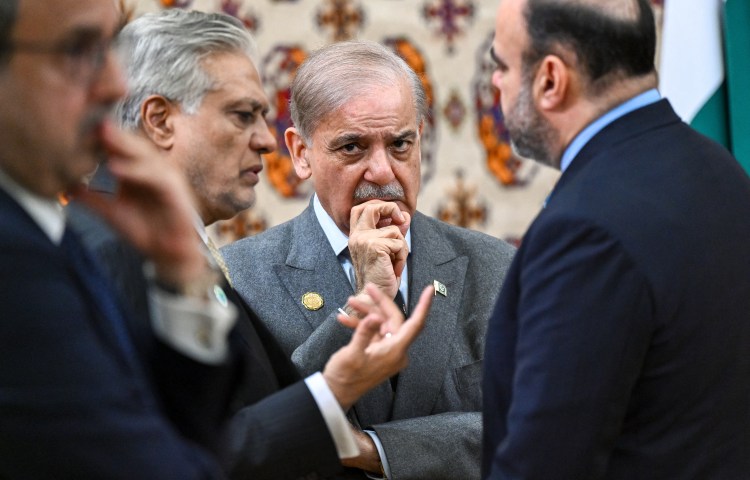
CPJ, partners call Pakistan’s prime minister to address alarming deterioration in press freedom
The Committee to Protect Journalists, together with eight other press freedom and human rights organizations, on Friday urged Pakistan’s Prime Minister Shehbaz Sharif to take immediate action to address the country’s rapidly deteriorating press freedom environment. In a joint letter, the groups expressed concern about new restrictions on reporting in parts of Pakistan, recurring internet…
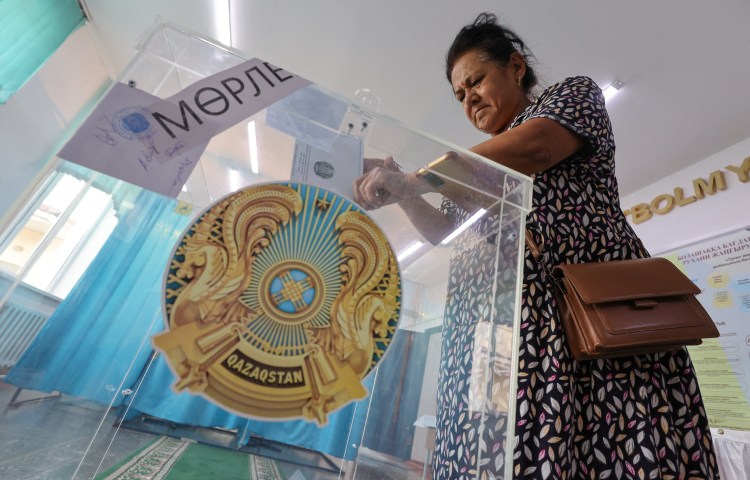
CPJ says Kazakhstan’s new parliament should scrap rules restricting journalists’ access
London, September 7, 2026—The Committee to Protect Journalists calls on Kazakhstan’s newly inaugurated parliament, or Kurultai, to scrap new rules that restrict journalists’ movements in the parliament building and limit their ability to question politicians. The unicameral parliament, established by a new constitution passed earlier this year, was inaugurated on August 28. The new rules,…
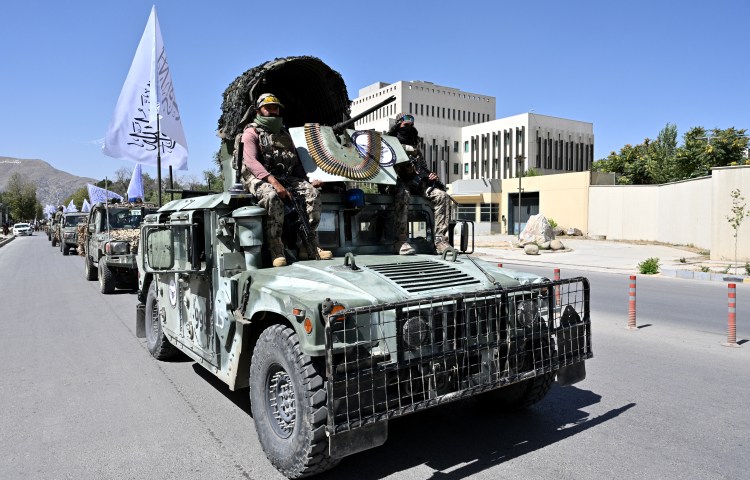
Taliban shut down Rah-e-Farda TV after coverage of crackdown on Shiite minority
New York, September 7, 2026—Taliban authorities must allow independent broadcaster Rah-e-Farda TV to resume operations, immediately release its owner, Salman Akhlaqi, and end their crackdown on news outlets serving Afghanistan’s persecuted Shiite Hazara community, the Committee to Protect Journalists said on Monday. On September 6, Taliban security forces raided Rah-e-Farda TV’s office in the capital…

Neither free nor imprisoned: Tunisia’s journalists in legal limbo
In Tunisia, at least four journalists and commentators sentenced to prison over the last year remain free, trying to work and carry on with their daily lives while knowing they could be arrested and taken into custody. Two others are in exile, unable to return home without risking imprisonment. Whether they will eventually be forced…
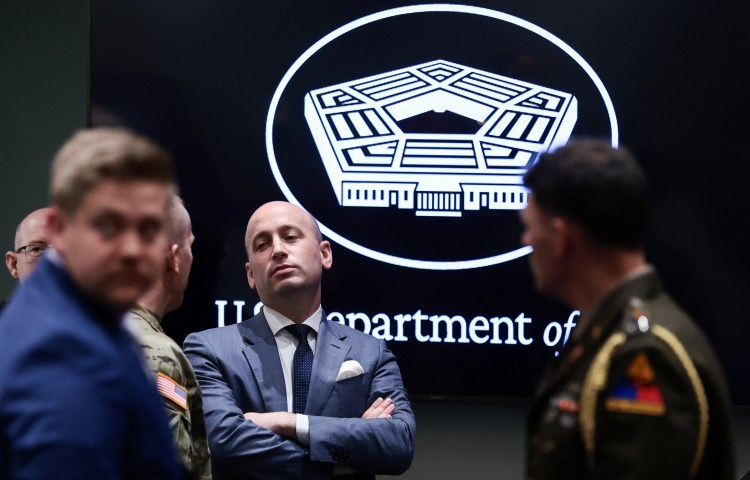
Pentagon fires Stars and Stripes staffers after editorial independence comments
Miami, August 25, 2026—The Pentagon is acting directly against government transparency and press freedom by firing the longtime publisher, the editor-in-chief, and a senior reporter at Stars and Stripes newspaper, said the Committee to Protect Journalists on Tuesday. CPJ calls on Congress to codify Stars and Stripes’ editorial independence by supporting a proposal in the…