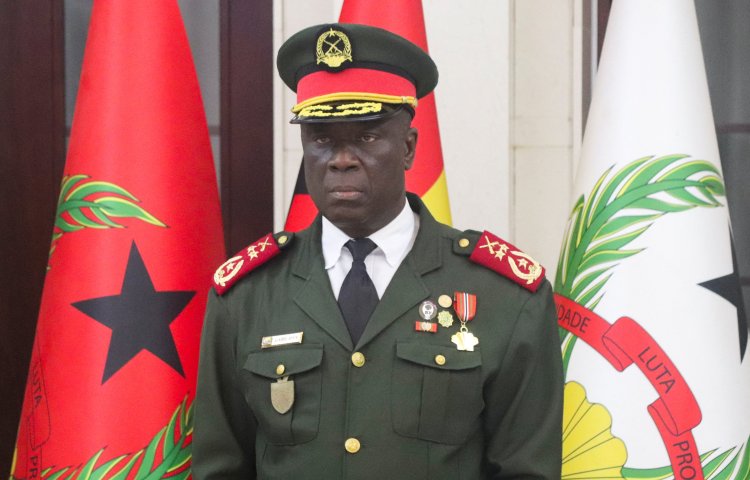
Journalists at risk as Guinea-Bissau junta bans ‘unauthorized’ press conferences
The Committee to Protect Journalists calls on military authorities in Guinea-Bissau to rescind an order prohibiting unauthorized press conferences and public statements, as reporters warned of an increasingly repressive media environment following the junta’s November 26 seizure of power. “During times of political instability, freedom of expression and access to information must be protected to…

Journalists assaulted, internet shut down ahead of Uganda elections
Ugandan journalist Ssematimba Bwegiire lost consciousness immediately after a security officer electrocuted him with a stun gun and pepper-sprayed him in the mouth. But he did not report the incident, reflecting widespread disillusionment among the media about authorities’ commitment to press freedom in elections on January 15. Bwegiire, a reporter with privately owned Radio Simba,…
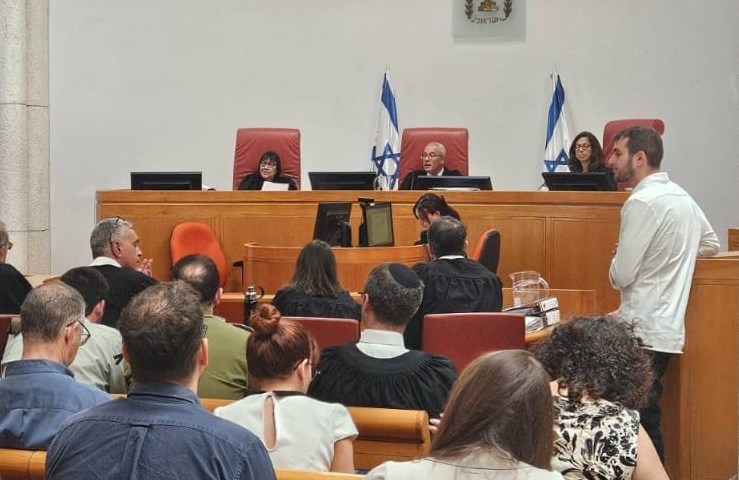
CPJ calls on international community to urge Israel to end Gaza media ban after Supreme Court delay
New York, October 23, 2025 — The Committee to Protect Journalists (CPJ) calls on the international community to pressure Israel to immediately lift all restrictions preventing journalists from entering Gaza, after the Supreme Court today granted the state an additional 30 days to respond to a petition challenging the two-year ban on entry. Israel’s request…

CPJ, partners call on EU president to address Western Balkans press freedom crisis
The Committee to Protect Journalists and eight partner organizations urged European Commission President Ursula von der Leyen on Wednesday to raise the issue of the escalating press freedom crisis in the Western Balkans, particularly in Serbia, during her visit to the region this week. The joint statement highlights the severe deterioration of press freedom in…

CPJ, partners urge Maldives president to drop restrictive media bill
Editor’s note: Maldives President Mohamed Muizzu signed the Maldives Media & Broadcasting Bill into law on September 18, 2025. The Committee to Protect Journalists joined 20 other civil society groups calling on Maldivian President Mohamed Muizzu to withdraw the proposed Maldives Media and Broadcasting Regulation Bill, warning it poses a grave threat to press freedom…

Russia gearing up to prosecute internet users for searching ‘extremist’ content
Berlin, July 18, 2025—The Committee to Protect Journalists is alarmed by a bill under consideration in the Russian State Duma that would introduce fines for accessing or searching for “extremist” online content, threatening to further restrict press freedom and access to information. The bill, which passed its second reading on July 17, 2025, is the “most serious step in censorship and…

CPJ: Kyrgyz president must veto ‘dangerous’ media law
UPDATE: On August 6, President Sadyr Japarov signed the media law into effect. New York, July 2, 2025—The Committee to Protect Journalists urges Kyrgyzstan President Sadyr Japarov to veto a new mass media law that would require all publications to register with the state and heavily restricts any foreign legal entities from founding or owning media outlets. Parliament…
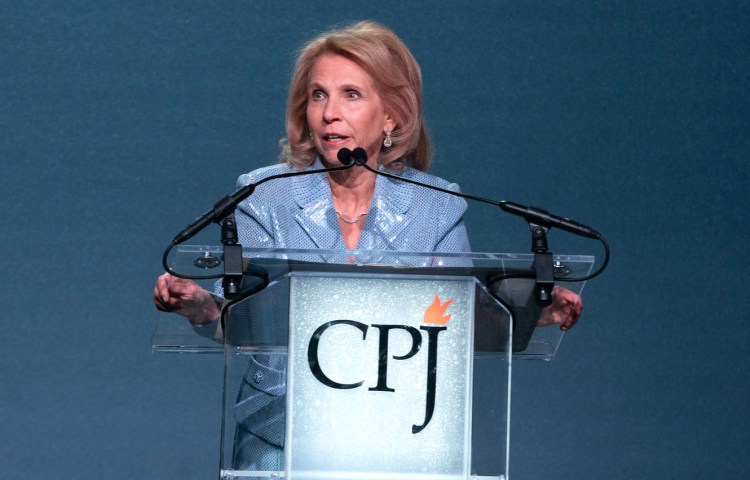
CPJ urges Paramount’s Shari Redstone to reconsider CBS lawsuit settlement
The Committee to Protect Journalists (CPJ) has expressed serious concern about the potential implications of a settlement in the lawsuit filed by President Donald Trump and U.S. House Rep. Ronny Jackson against Paramount and CBS. In a letter sent to Paramount Global chair Shari Redstone, CPJ emphasized that the lawsuit lacks merit and that CBS…

Iranian journalists censored, threatened over reporting Israel conflict
Iran’s conflict with Israel has intensified media censorship in the Islamic Republic, with Iranian journalists warned not to comment online and a task force set up to prosecute those sharing “fake” news, the Committee to Protect Journalists said Tuesday, calling for press freedom to be respected. Two Iranian journalists, who spoke to CPJ on condition…
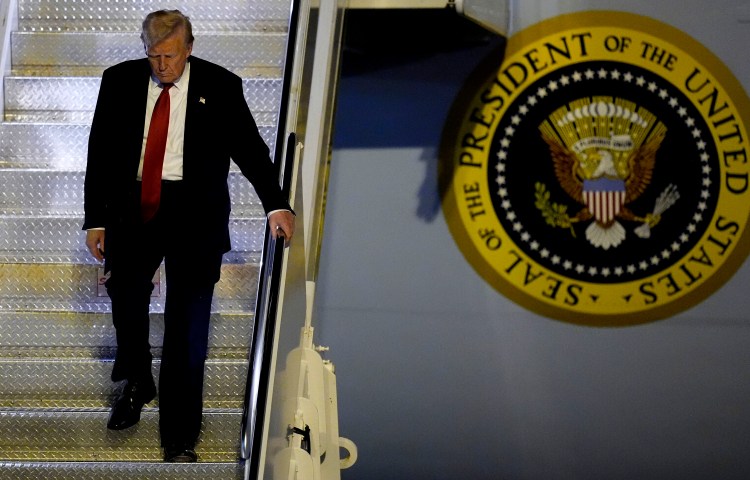
CPJ urges US Congress to stop Trump from gutting VOA parent as ‘mass suspensions’ begin
Washington, D.C., March 15, 2025—The Committee to Protect Journalists urges United States congressional leaders to protect the U.S. Agency for Global Media (USAGM) after President Trump signed an executive order on Friday aimed at dismantling the parent of Voice of America (VOA). “It is outrageous that the White House is seeking to gut the Congress-funded…