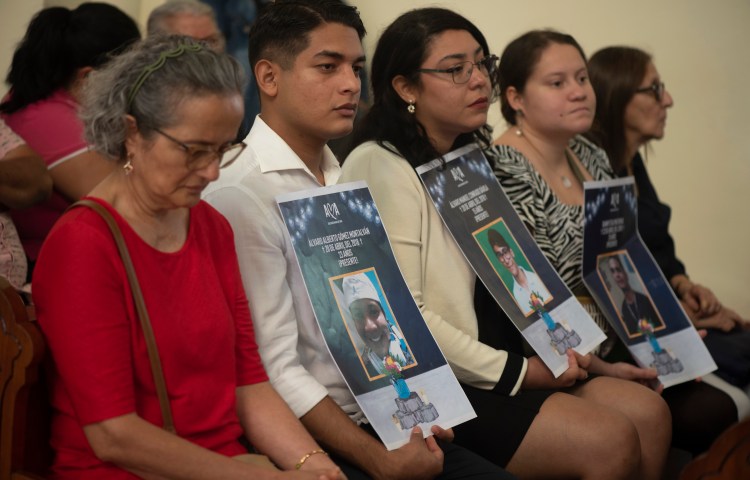
‘They are hunting journalists’: Nicaragua’s covert repression tactics strike fear beyond borders
An estimated 268 Nicaraguan journalists have fled the Central American country for exile, many settling in the neighboring Costa Rica, to escape what CPJ’s research has documented to be a government-backed system of political repression and judicial harassment against media outlets that often prevents journalists, fearing for their families, from reporting the truth. Yet for…
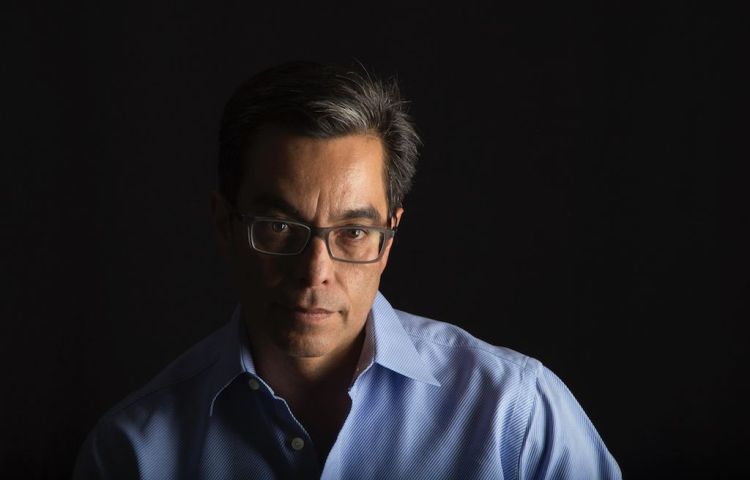
Guatemala issues arrest warrant for exiled journalist Juan Luis Font
Mexico City, December 11, 2024—Guatemalan authorities issued an arrest warrant on December 6 for journalist Juan Luis Font on charges of collusion and passive bribery. Font, co-director of the news radio show Con Criterio, has been living in exile since 2022 and told CPJ the charges stem from an old case that authorities have repeatedly…

Several journalists flee Cuba after state agents question, pressure at least 8
CPJ is alarmed by reports that since mid-September, Cuban state security agents questioned at least eight journalists and media workers from non-state media outlets, many in connection to alleged crimes against the state, leading several to flee the country. “The Cuban government appears to be engaged in a campaign of harassment and intimidation against the…
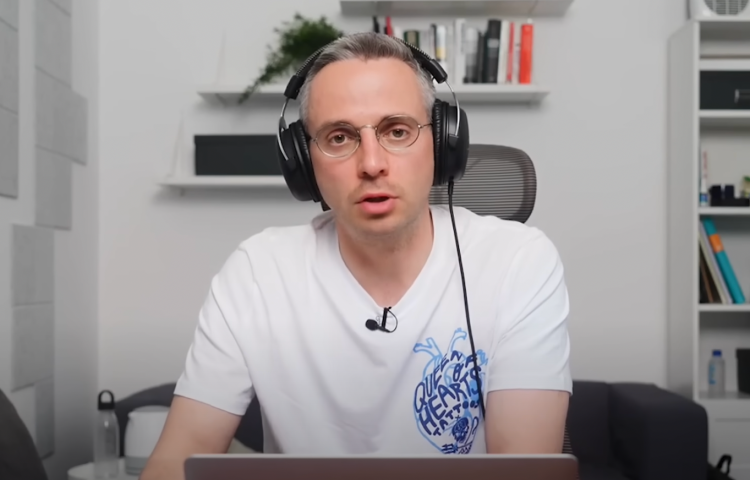
Moscow court orders arrest in absentia of exiled journalist, 2 others face administrative charges
Berlin, June 7, 2024—The Committee to Protect Journalists decries Russian authorities’ crackdown on independent media outlets and exiled journalists, and urges them to cease their harassment immediately. On Wednesday, June 5, the Basmanny district court in the capital, Moscow, ordered the arrest in absentia of exiled journalist Dmitry Kolezev, saying that he distributed false information…
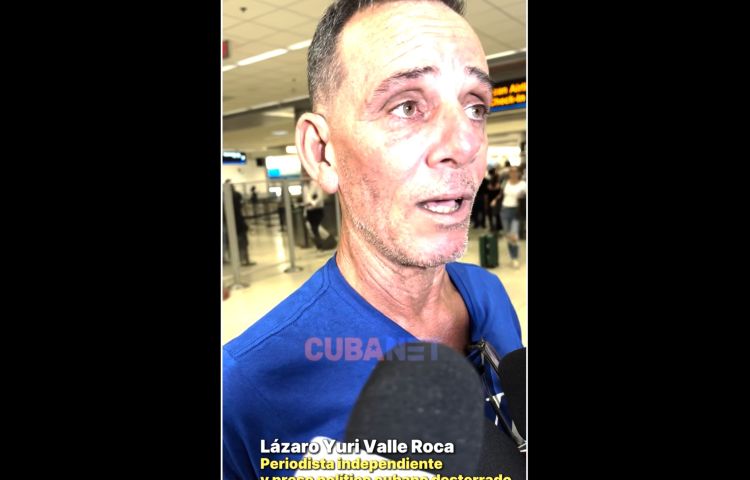
Cuban journalist Lázaro Yuri Valle Roca released, forced into exile
Miami, June 6, 2024—The Committee to Protect Journalists welcomes the release of Cuban journalist Lázaro Yuri Valle Roca, but is deeply concerned he was forced into exile, and calls on Cuban authorities to allow reporters to work freely in the country without fear of reprisal. Valle left Cuba for the United States on Wednesday, June…

Russia orders exiled journalist Mikhail Zygar’s arrest in absentia
New York, April 16, 2024—Russian authorities must drop all legal proceedings against journalist and writer Mikhail Zygar and cease their ongoing repression of independent journalism, said the Committee to Protect Journalists on Tuesday. On April 16, a Moscow court ordered that Zygar, the former editor-in-chief of the now-exiled Russian broadcaster Dozhd TV (TV Rain) and a CPJ 2014…

Digital security checklist for journalists in exile
Use the following checklist to help better protect yourself, your family, and your sources. This checklist is designed to accompany the digital safety guide for journalists in exile. If you need assistance, journalists should contact CPJ via [email protected].

‘Living in fear’: Exiled Afghan journalists face arrest, hunger in Pakistan
Stuck with no income for more than a year after fleeing Afghanistan for Pakistan, Samiullah Jahesh was ready to sell his kidney to put food on the table for his family. “I had no other option, I had no money or food at home,” Jahesh, a former journalist with Afghanistan’s independent Ariana News TV channel,…
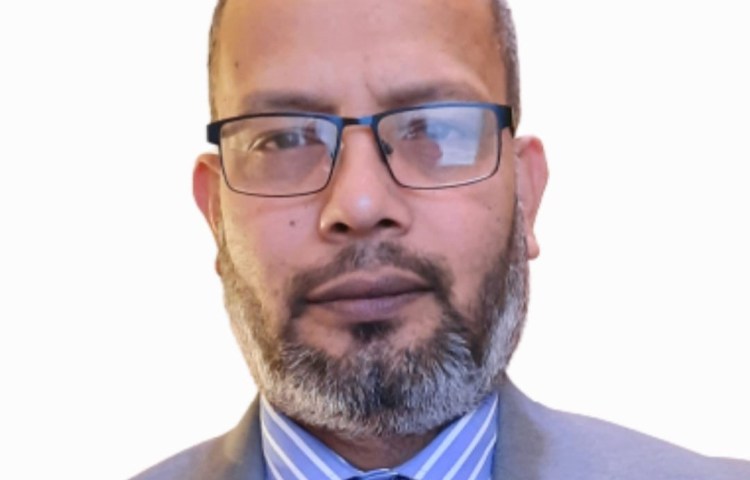
Bangladesh authorities open investigation into exiled journalist Abdur Rab Bhuttow, harass family members
On January 11, 2023, the Chawkbazar police station in Bangladesh’s southern Chattogram district opened a Digital Security Act investigation into U.K.-based Bangladeshi journalist Abdur Rab Bhuttow and the privately owned digital news platform London Bangla Channel, where Bhuttow serves as editor, according to news reports and the journalist, who spoke with CPJ by phone. Police…

Turkey adds journalist Can Dündar to list of wanted terrorists; at least 14 other journalists also listed
New York, January 3, 2023 – Turkish authorities should ensure that journalists are not included on the country’s lists of wanted terrorists, and should stop harassing members of the press, the Committee to Protect Journalists said Tuesday. On December 30, exiled Turkish journalist Can Dündar revealed that he had been added to the so-called terrorist…