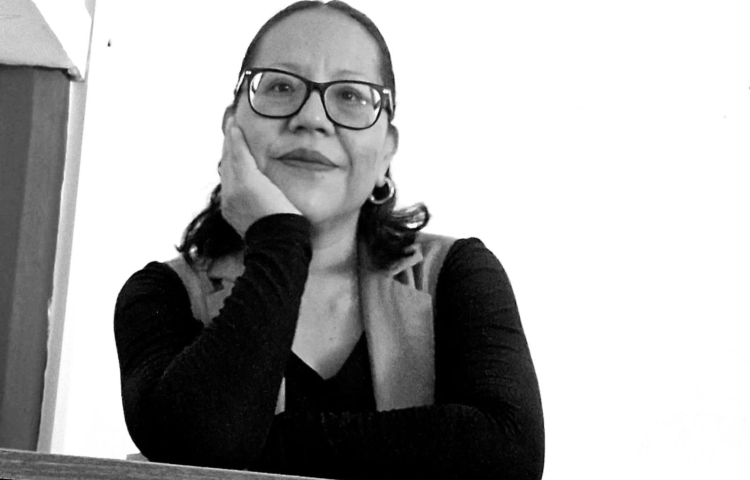
Mexican reporter threatened after covering construction project in Sinaloa
Mexico City, February 4, 2026—Authorities in the Mexican state of Sinaloa should immediately and comprehensively investigate threats against independent investigative journalist Sheila Arias and take all appropriate steps to ensure her safety, the Committee to Protect Journalists said Wednesday. Arias, based in the coastal resort city of Mazatlán, told CPJ that she had received threats…
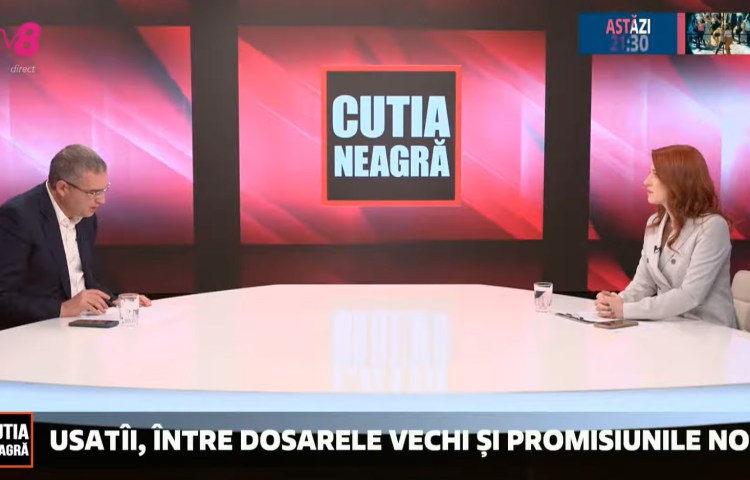
Moldovan journalist Mariana Rață receives death threat
New York, November 3, 2025—Moldovan authorities must swiftly investigate a recent death threat sent to Mariana Rață, an investigative journalist and TV host with the independent broadcaster TV8, the Committee to Protect Journalists said Monday. On October 30, Rață received voice notes on Facebook Messenger from Boris Cerlat, a Facebook user claiming to bea supporter of Renato Usatîi, the president of the populist…
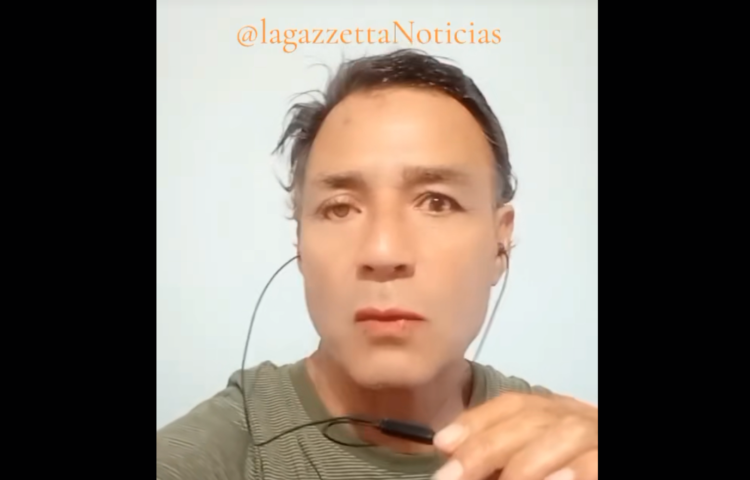
Mexican journalist Miguel Ángel Beltrán killed in Durango
Mexico City, October 31, 2025—The Committee to Protect Journalists calls on Mexican authorities to immediately, credibly, and transparently investigate the killing of journalist Miguel Ángel Beltrán, whose remains were found wrapped in a blanket in the northern state of Durango on the morning of October 25. Beltrán’s body was found in the town of Río…
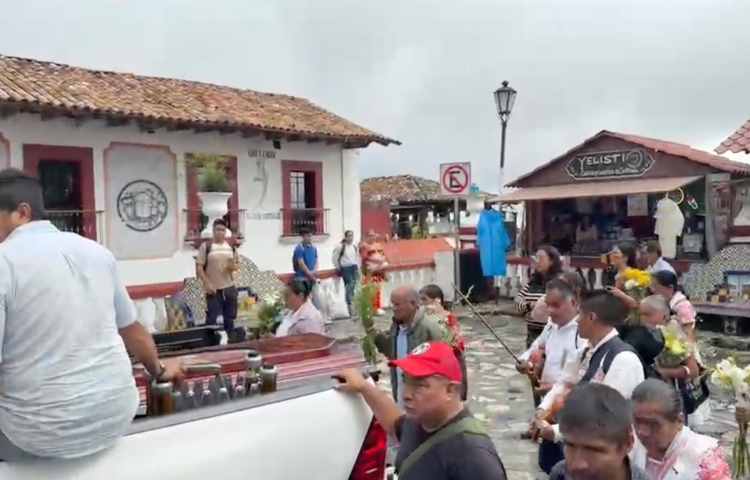
Mexican journalist Salomón Ordóñez Miranda shot dead in Puebla
Mexico City, June 30, 2026—The Committee to Protect Journalists calls on Mexican authorities to swiftly and transparently complete its investigation into the June 23 killing of reporter Salomón Ordóñez Miranda so those responsible can be held to account. “The lethal attack that took Salomón Ordóñez’s life is a stark reminder of how little President Claudia…
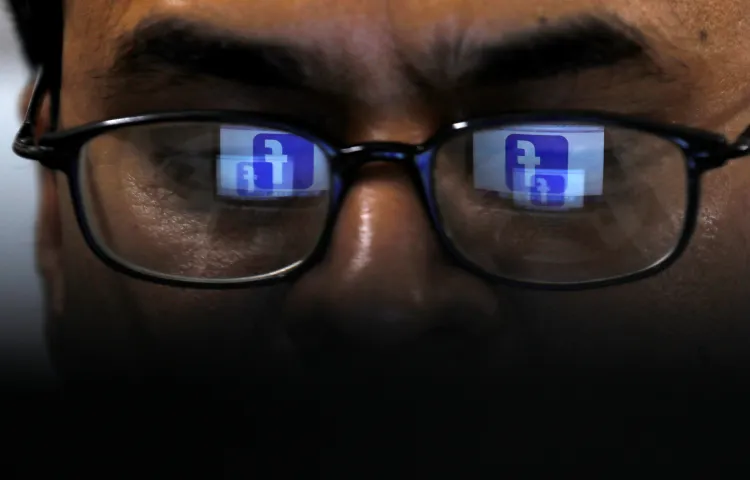
Voice News website, social media accounts attacked in Pakistan
On February 17, 2023, an unfamiliar account hijacked a Facebook page run by private broadcaster Voice News and published posts that staff fear may trigger harassment or criminal investigation, according to Ahmer Shaheen, the CEO and chief editor, who spoke to CPJ in a phone interview. The broadcaster’s website and second Facebook page have also…
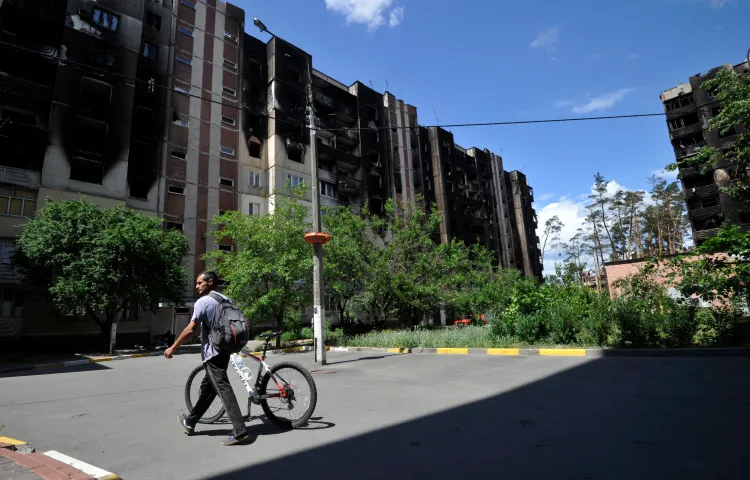
Russia-Ukraine watch
How the war is affecting press freedom in the region Updated June 16, 2022 Russia’s February 24 full-scale invasion of Ukraine marked a sharp escalation in threats to press freedom in the region and beyond. Journalists in Ukraine have been killed covering the war, while many of their Russian counterparts have fled or faced persecution….
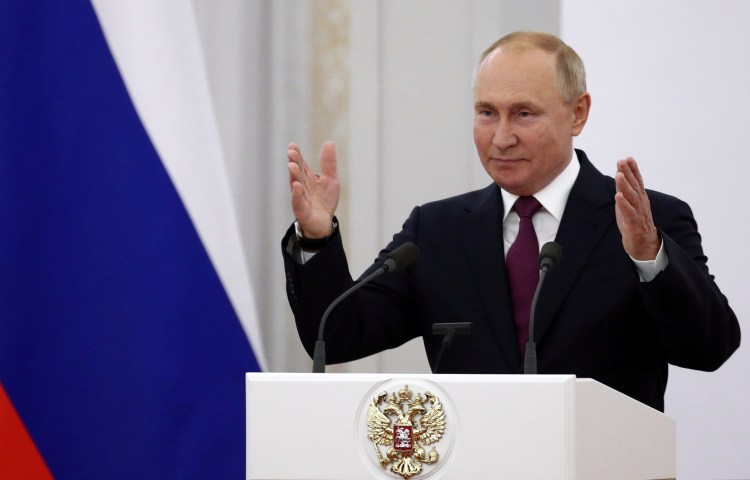
Russia further blocks media outlets, social media
New York, March 4, 2022 – Russian authorities should allow all local and international media outlets and social media platforms to operate freely, the Committee to Protect Journalists said Friday. Russian state media regulator Roskomnadzor on Friday, March 4, blocked access to several news websites, including those of BBC Russian, German public broadcaster Deutsche Welle,…

Russia blocks Ekho Moskvy and Dozhd TV, restricts social media access
Washington, D.C., March 1, 2021 — Russian authorities should allow Ekho Moskvy (Echo of Moscow), Dozhd TV, and all other news outlets to work freely, and should refrain from restricting access to social media platforms, the Committee to Protect Journalists said Tuesday. Since last week, Russian authorities have slowed and restricted access to Facebook and…
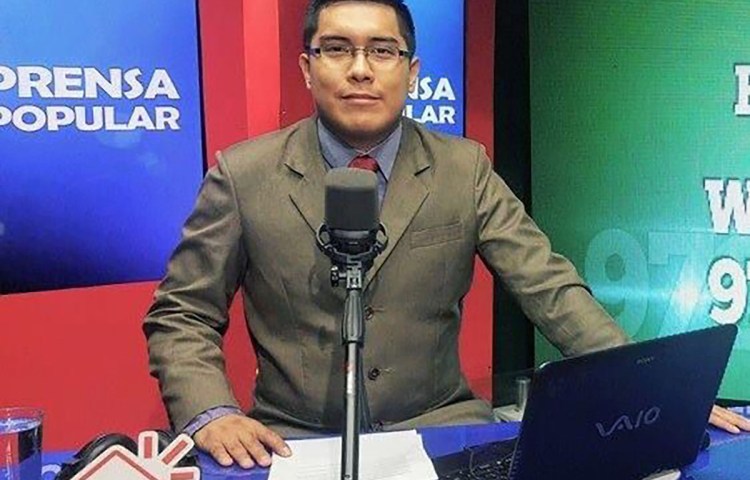
Peruvian journalist receives threatening messages, demands to stop reporting on local officials
Bogotá, December 9, 2021 – Peruvian authorities must thoroughly investigate death threats against journalist Jairo Roque Gómez and hold the perpetrators to account, and local officials should refrain from using the country’s outdated defamation laws to threaten reporters, the Committee to Protect Journalists said today. On December 1, Roque, editor of the independent Diario Hechicera…
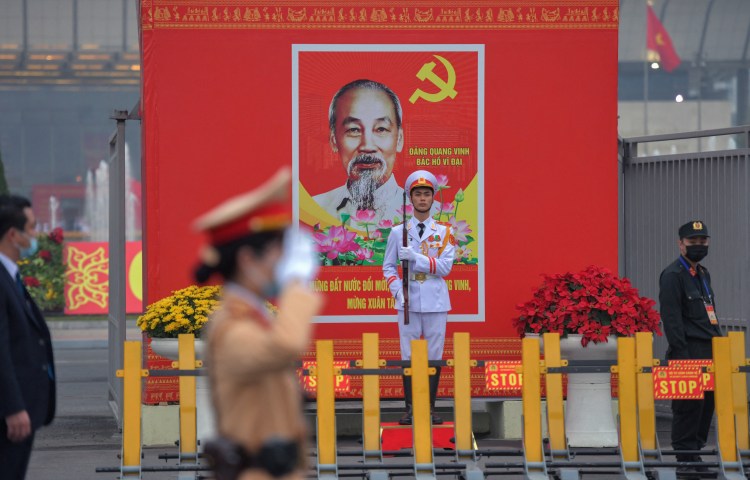
Vietnam sentences independent reporter Tran Thi Tuyet Dieu to 8 years in prison
Bangkok, April 26, 2021 – The Committee to Protect Journalists today strongly condemned the conviction and severe prison sentence given to Vietnamese journalist Tran Thi Tuyet Dieu and called for her immediate and unconditional release. On April 23, the People’s Court in Phu Yen province convicted Dieu under Article 117 of the penal code, an anti-state provision that bans “creating, storing and disseminating information and materials” against the state, and sentenced her…