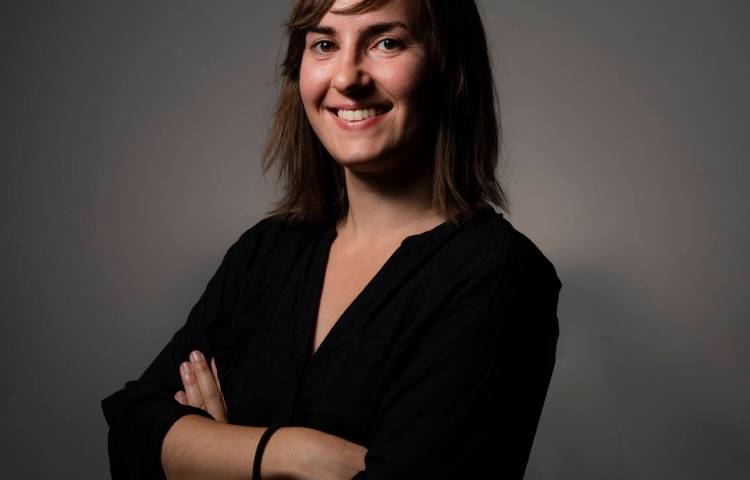
French intelligence agents search home, detain journalist Ariane Lavrilleux over leaks investigation
Berlin, September 20, 2023—France’s domestic intelligence agency should immediately release freelance journalist Ariane Lavrilleux from custody, drop all criminal investigations against her, and refrain from questioning her about her sources, the Committee to Protect Journalists said on Wednesday. On Tuesday, September 19, police officers with the General Directorate for Internal Security, accompanied by an investigating…
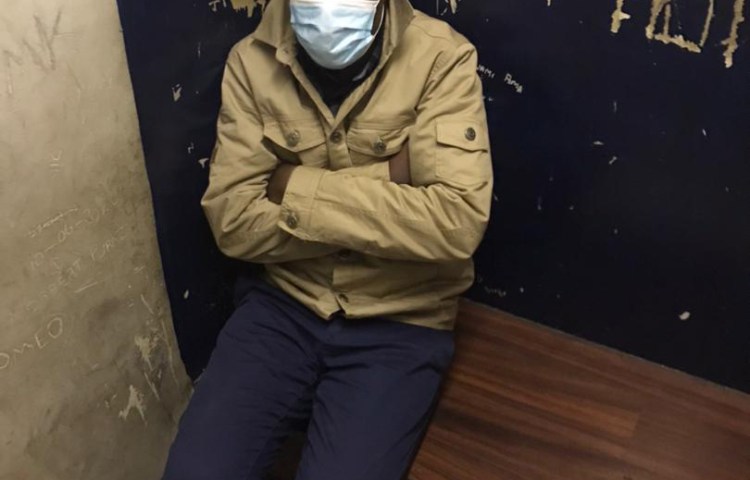
Zimbabwe detains NY Times freelancer Jeffrey Moyo over alleged accreditation misrepresentation
New York, May 28, 2021 – Zimbabwean authorities should immediately release New York Times freelancer Jeffrey Moyo and drop baseless charges against him, the Committee to Protect Journalists said today. Moyo, who also freelances for Canada’s Globe and Mail newspaper and Norway’s Bistandsaktuelt, was arrested on May 26 in the capital, Harare, and charged with…
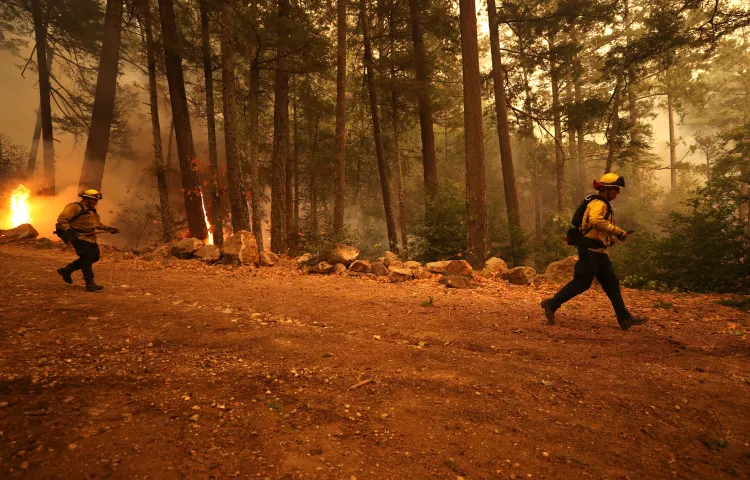
“I’ve lost count of the number of fires I’ve covered this year”: How journalists stay safe covering U.S. wildfires
Photojournalist Kent Porter has covered wildfires in the western United States for more than 30 years. But this year, he says, the fires are different. The season’s first fire usually burns about one or two acres, Porter told CPJ in a phone interview. This year, however, the first fire he covered was 140 acres. “Usually…
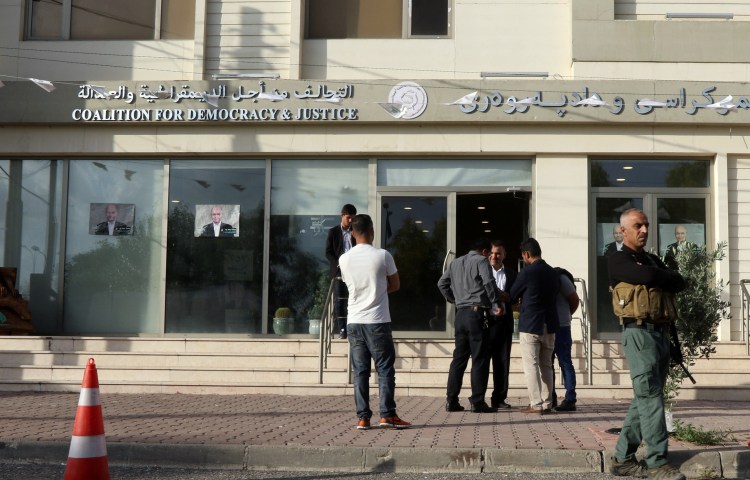
Kurdish Iraqi security forces arrest freelance photojournalist Qaraman Shukri at his home in northwestern Kurdistan
New York, July 8, 2020 — The Committee to Protect Journalists today expressed concern over the arrest by Iraqi Kurdish security forces of freelance photojournalist Qaraman Shukri. On June 27, officers with the Kurdish Asayish security force arrested Shukri, a freelance contributor to pro-Kurdistan People’s Party (PKK) news website RojNews and the broadcaster KNN, which…
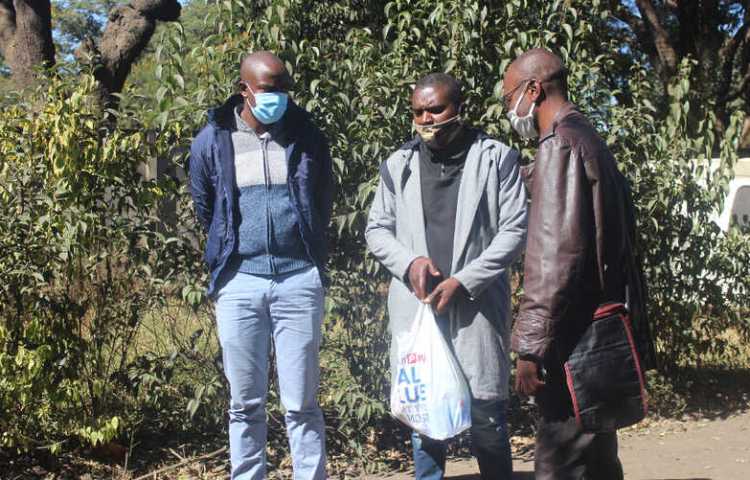
Two Zimbabwean journalists charged with violating COVID-19 lockdown
New York, June 23, 2020 — Zimbabwean prosecutors should drop the charges filed against two journalists for violating the country’s COVID-19 lockdown regulations and ensure that they can report freely about alleged abuses by security forces, the Committee to Protect Journalists said today. Frank Chikowore, a freelance journalist, and Samuel Takawira, a reporter for the…
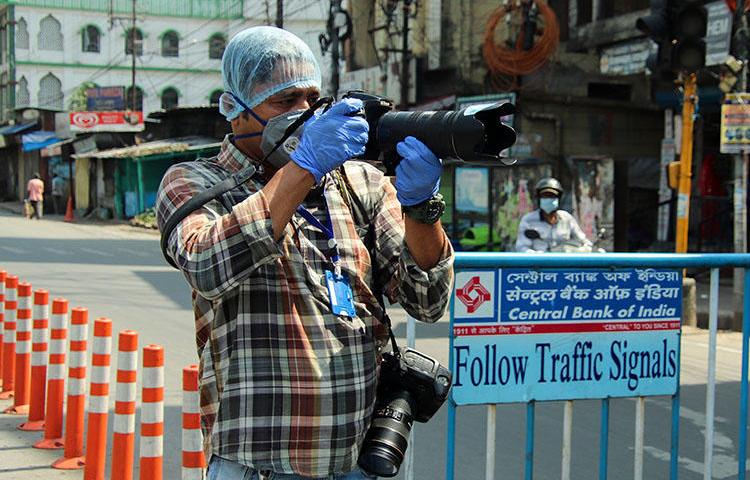
Freelance journalists risk lives and livelihoods amid COVID-19 pandemic
Johannesburg-based freelance journalist Yeshiel Panchia was on his way to cover a story about a local developer who had found a way to keep his wage laborers employed during South Africa’s coronavirus lockdown by letting them live on the construction site so that they didn’t have to leave “home” in contravention of strict rules.
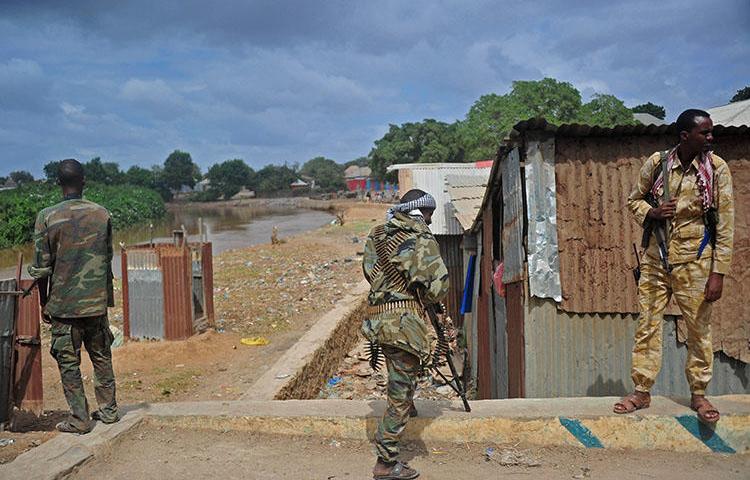
Somali freelancer Abdiwali Ali Hassan killed in Lower Shabelle region
New York, February 18, 2020–Somali broadcast journalist Abdiwali Ali Hassan was shot several times near his home in the town of Afgooye, about 30 km (19 miles) outside Somalia’s capital, Mogadishu, on February 16, and died on his way to the hospital, according to three local media organizations, his colleagues, and news reports.
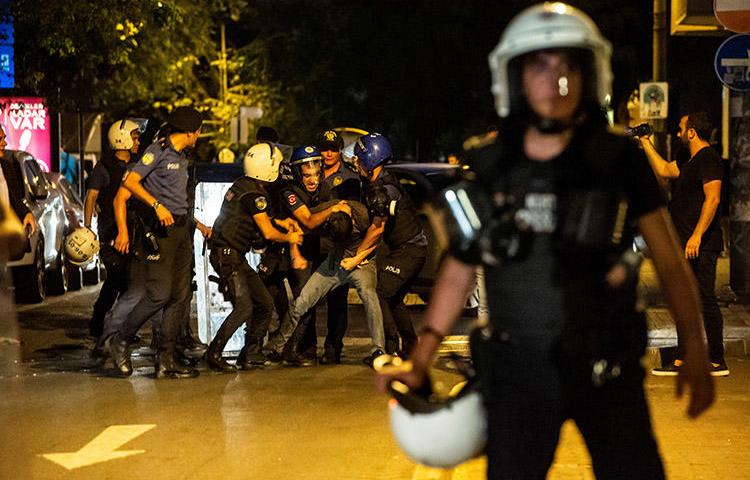
In Turkey, reporting is a daily struggle
Turkey is notorious as a leading jailer of journalists worldwide, a fact that can overshadow the other problems for its press. Alongside the risk of arrest, journalists must contend with daily interference. From police denying reporters access to courtrooms, arbitrarily moving them on or forcing them to leave certain areas when they are reporting on…
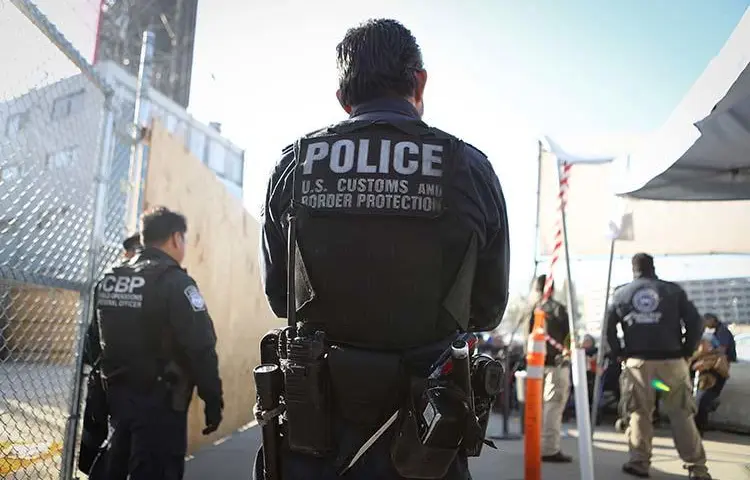
Q&A: Isma’il Kushkush and Sophia Cope on U.S. court ruling against warrantless border search
Journalists crossing U.S. borders face a particular set of challenges, as CPJ has reported extensively. The U.S. government claims sweeping authority to interrogate travelers and search electronic devices without a warrant under what is known as the “border search exception.” CPJ has called this a chilling prospect for reporters in transit—especially those working with confidential…
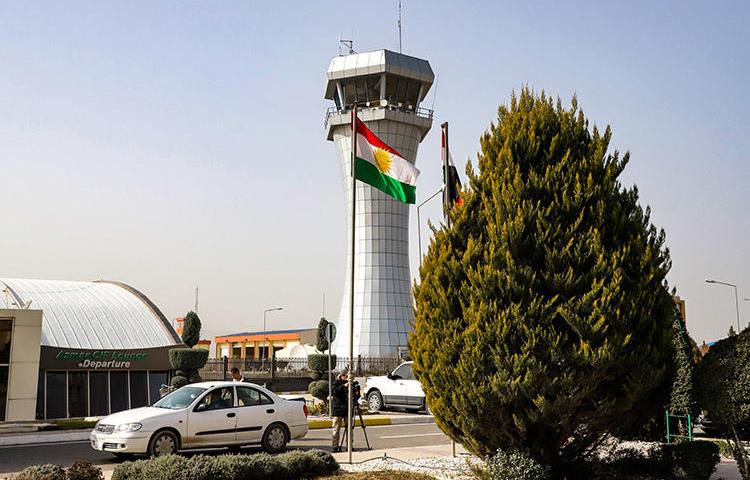
Press freedom on ‘brink of extinction’ in Iraqi Kurdistan, journalists say
“Ever since I started working as a journalist nine years ago, I have been under constant pressure from my family, my tribe, and my community to give up journalism. Friends have been asked by security forces to sever ties with me,” said freelance journalist Guhdar Zebari, when he met with CPJ in the empty lobby…