
Apple warns Latvia-based journalists about possible hacker attacks
New York, September 15, 2023—The Committee to Protect Journalists on Friday issued an urgent call for authorities to investigate allegations that journalists working in Latvia were targeted by state-sponsored hackers. CPJ’s call follows reports on Thursday—a day after the disclosure that the phone of exiled Russian journalist Galina Timchenko had been infected by Pegasus spyware—that…
Voice News website, social media accounts attacked in Pakistan
On February 17, 2023, an unfamiliar account hijacked a Facebook page run by private broadcaster Voice News and published posts that staff fear may trigger harassment or criminal investigation, according to Ahmer Shaheen, the CEO and chief editor, who spoke to CPJ in a phone interview. The broadcaster’s website and second Facebook page have also…
CPJ condemns cyberattack on News Corp media publications
Washington, D.C., February 7, 2022—The Committee to Protect Journalists on Monday expressed grave concern about the cyberattack on News Corp that gave hackers access to journalists’ emails and other documents, and urged Chinese authorities to conduct a thorough investigation into who was behind the attack. The Wall Street Journal reported on Friday that the attack…
Qatar detains Kenyan labor rights blogger Malcolm Bidali without charge
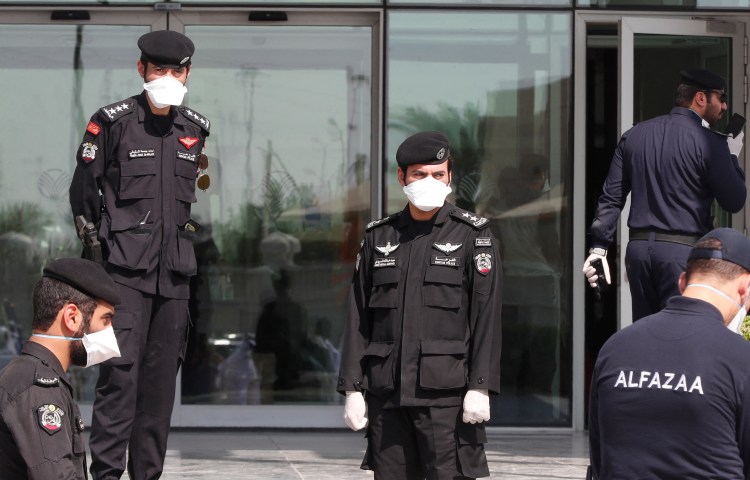
New York, May 18, 2021 – Qatari authorities should immediately disclose any charges against blogger Malcolm Bidali or release him, and not try to silence critical reporting on the country’s labor rights record ahead of the 2022 World Cup, the Committee to Protect Journalists said today. In the night of May 4 to 5, Qatari…
Palestinian journalist Muath Hamed questioned in Spain by alleged Israeli intelligence agent
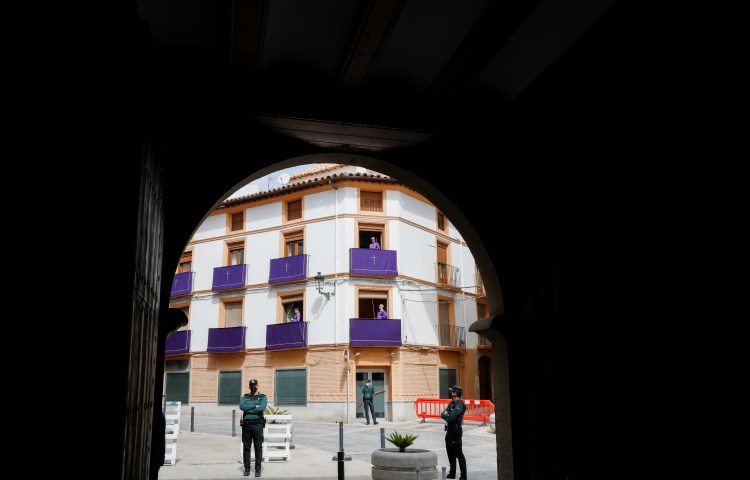
New York, April 15, 2021 – The Committee to Protect Journalists today expressed concern over an account by Palestinian journalist Muath Hamed that he was summoned by Spanish authorities under false pretenses and questioned about his journalistic activity by someone he believes to be an Israeli intelligence operative. In early February, officers with Spain’s Civil…

Al-Jazeera’s Ghada Oueiss on hacking, harassment, and Jamal Khashoggi
In a mid-2020 Washington Post opinion piece, Lebanese Al-Jazeera broadcast journalist Ghada Oueiss described hackers stealing private photos and videos from her phone and posting them online. The leak resulted in a sharp escalation of online attacks, Oueiss told CPJ in a January 2021 call. Since the brutal murder of Washington Post columnist Jamal Khashoggi…

How Vietnam-based hacking operation OceanLotus targets journalists
In early 2020, Vietnamese writer Bui Thanh Hieu told Marina Mai, a freelancer based in Berlin, that he was closing his blog to protect his family. In 2009, Hieu was detained for a week for his critical writing on Vietnam’s territorial disputes with China, as CPJ documented. In 2013, he fled to Germany, but continued writing…
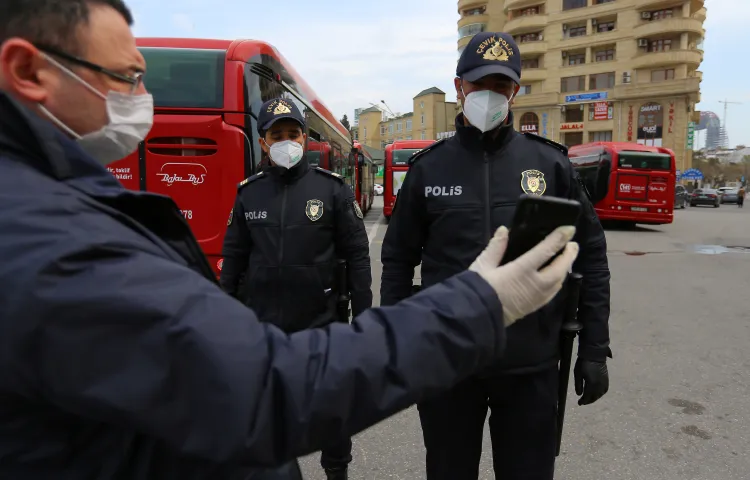
Hackers delete social media content of independent Azerbaijani news outlet Meydan TV
On June 18, 2020, anonymous hackers deleted nearly all of the content from the Azeri-language Facebook page of Meydan TV, an independent Germany-based news outlet that covers Azerbaijan, according to Matthew Kasper, the outlet’s project head, who spoke to CPJ in a phone interview. The hackers deleted all of Meydan TV’s Facebook posts since 2018,…
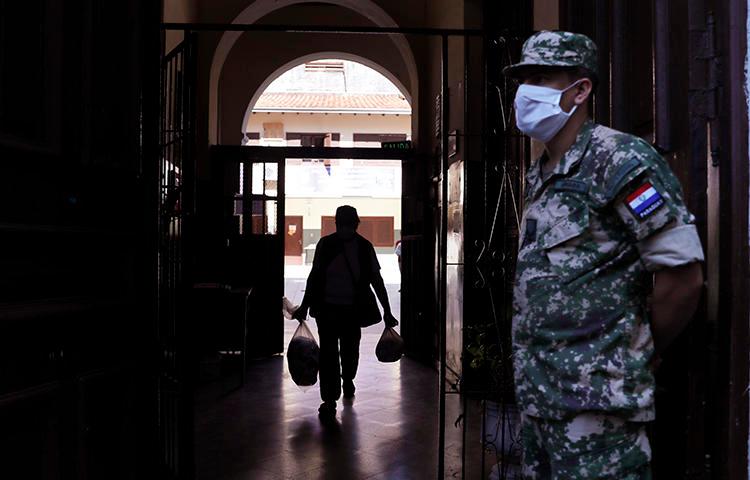
Hackers steal information from 2 journalists covering COVID-19 and corruption in Paraguay
Miami, May 6, 2020 — The Committee to Protect Journalists today commended the swift actions by Paraguayan authorities to investigate the hacking of journalists Juan Clari Arias and Jorge Torres’ phones, and urged them to see the investigation to its conclusion and hold those responsible to account.
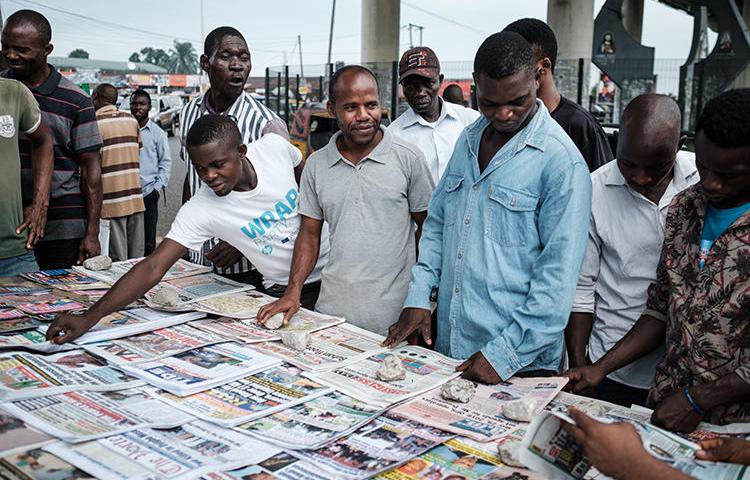
Nigeria’s Premium Times faces cyberattacks, intimidation of journalists after publishing leaked documents
New York, March 6, 2020 — Nigerian authorities should ensure that Premium Times employees are able to work in safety and without interference or intimidation, the Committee to Protect Journalists said today.