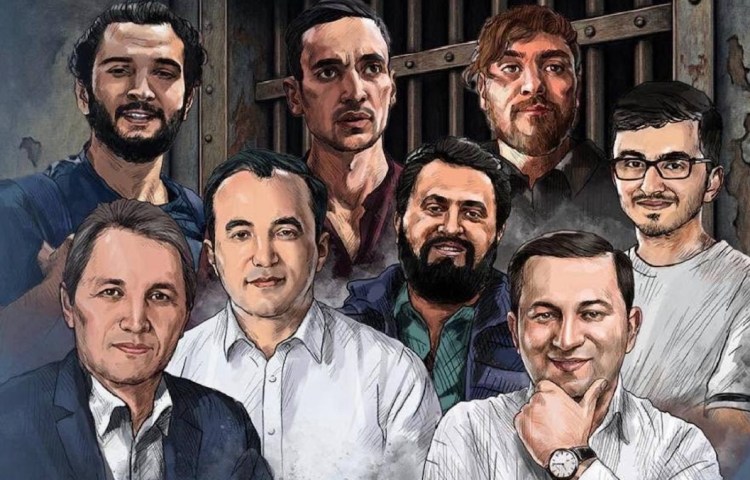
Azerbaijan: CPJ condemns shocking sentences handed down in Toplum TV case
New York, July 28, 2026 – The Committee to Protect Journalists condemns the extremely harsh prison sentences of up to 15 years handed down on July 27 to journalists and other individuals associated with leading Azerbaijani news outlet Toplum TV on charges related to receipt and use of foreign funds. “The shockingly heavy sentences meted…
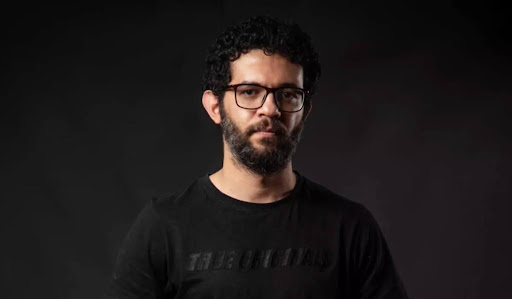
CPJ, partners demand release of Egyptian cartoonist Ashraf Omar on arrest anniversary
The Committee to Protect Journalists joined partner organizations on Wednesday to mark Ashraf Omar’s second arrest anniversary by calling for his immediate release. In the letter, the signatories voice concern over the significant time that has passed since the Al-Manassa cartoonist was arrested in his home on July 22, 2024 and their refusal to accept…
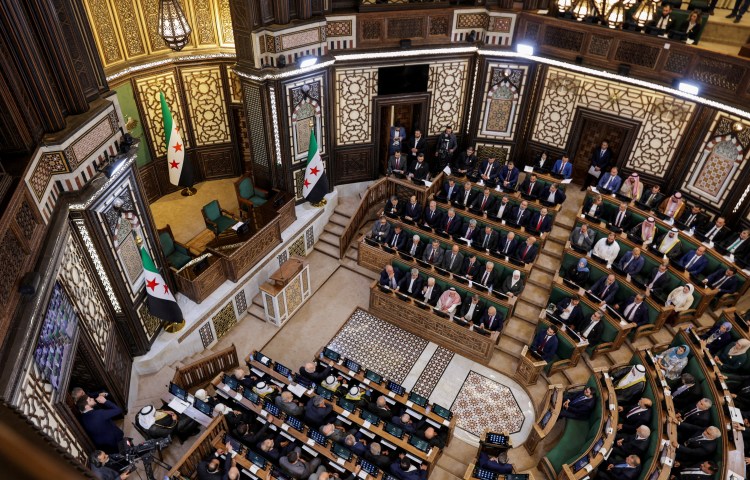
CPJ, SCM submit report to UN ahead of Syria human rights review
The Committee to Protect Journalists, together with the Syrian Centre for Media and Freedom of Expression (SCM), has submitted a report to the United Nations Human Rights Council documenting persistent threats to press freedom in Syria, ahead of the country’s Universal Periodic Review (UPR). The UPR, a UN mechanism that reviews each member state’s human…
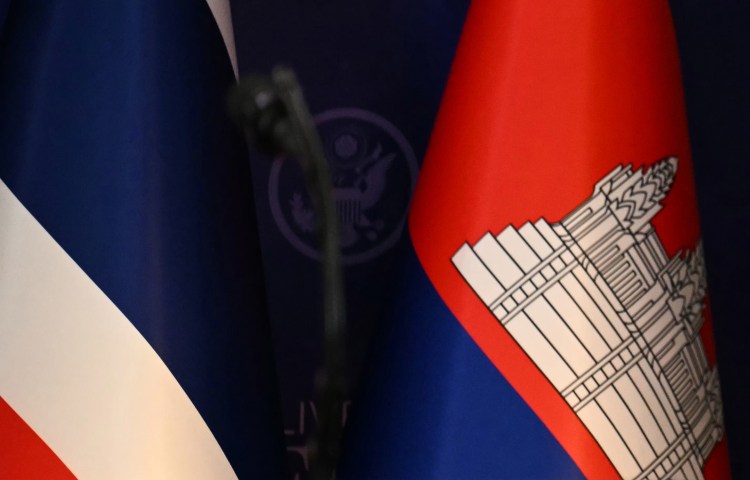
Cambodia jails journalist Luot Sophal for 2 years over report on soldiers’ water shortages
Bangkok, July 21, 2026—The Committee to Protect Journalists condemns the two-year prison sentence given to Cambodian journalist Luot Sophal on incitement charges and calls for his immediate and unconditional release. Sophal, a reporter with the independent local news site Srotop Yuvakvey, was convicted on July 14 by the Oddar Meanchey Provincial Court on charges of…

CPJ submits joint report to UN ahead of Sudan human rights review
The Committee to Protect Journalists, together with the Sudanese Journalists Syndicate (SJS), has submitted a report to the United Nations Human Rights Council documenting the devastating collapse of press freedom in Sudan, ahead of the country’s Universal Periodic Review (UPR). The UPR, a UN mechanism that reviews each member state’s human rights record every 4½…
CPJ, partners call on Cambodian PM to seek release of journalists Phon Sopheap and Pheap Pheara
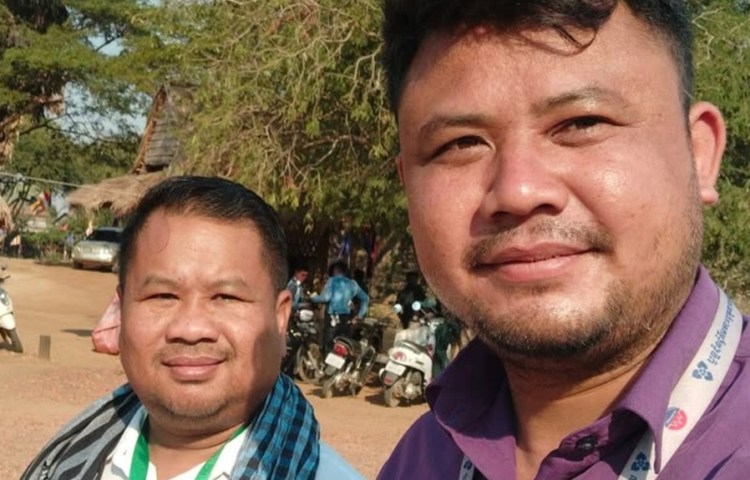
The Committee to Protect Journalists joined 15 other press freedom and civil society organizations on Friday in calling on Cambodian Prime Minister Hun Manet to recommend an amnesty for imprisoned journalists Phon Sopheap and Pheap Phara, both of whom are serving 14-year sentences on espionage charges. The journalists were convicted on December 17, 2025, of…
CPJ demands answers over reported jailing of Jordanian sports journalist
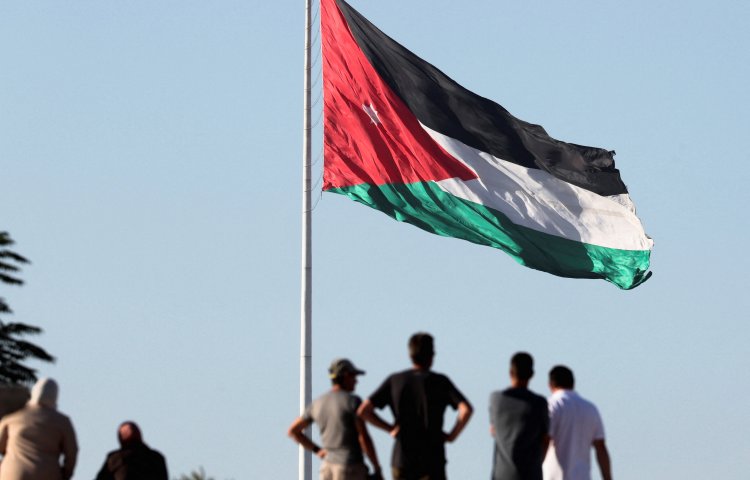
New York, July 14, 2026 –The Committee to Protect Journalists calls on Jordanian authorities and the Jordan Press Association (JPA) to provide a full and transparent public account of the case of sports journalist Aisha Salman al-Alaiwat, professionally known as Rima Al-Abbadi, who was reportedly sentenced to over two years in prison and expelled from…
3 Nigerian journalists harassed with detention, summons, punitive bail conditions
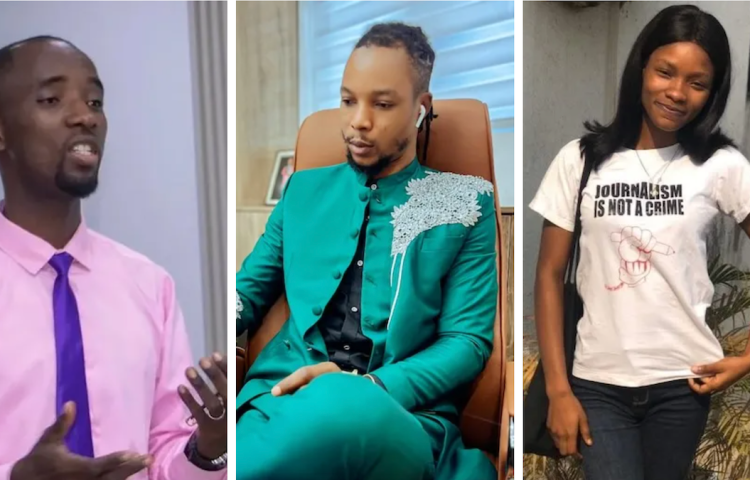
Abuja, July 10, 2026—The Committee to Protect Journalists calls on Nigerian authorities to stop harassing journalists, following the detention of journalist Zainab Sodiq on July 8, stringent bail conditions placed on Secret Reporters’ Stanley Ugagbe following his forcible disappearance on July 1, and an espionage summons issued to his publisher Fejiro Oliver on July 6….
Ahead of appeal ruling, CPJ and partners call on Egypt to release Ahmed Douma
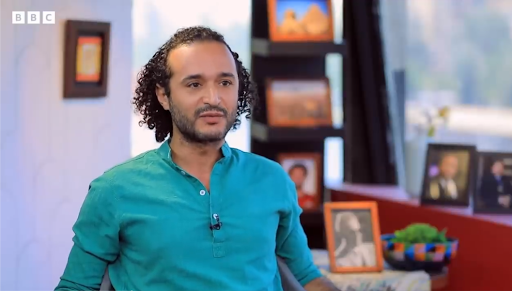
In a joint statement, the Committee to Protect Journalists joined several press freedom and human rights organizations on Thursday, urging Egyptian authorities to immediately and unconditionally release political writer Ahmed Douma. Douma was arrested on April 6 at the Supreme State Security Prosecution headquarters following a six-hour interrogation and held for nearly two months in…
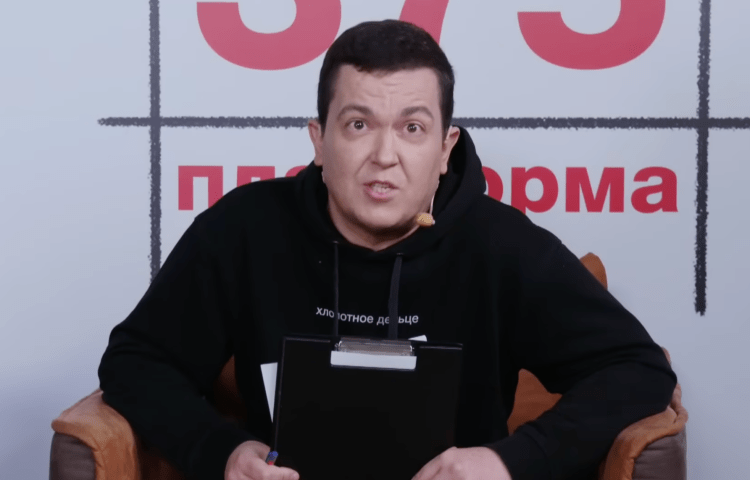
Belarus jails journalist Kyril Pazniak for 3 ½ years
New York, June 26, 2026—The Committee to Protect Journalists condemns the June 26 sentencing of Belarusian journalist Kyril Pazniak to three years and six months in prison, and calls on Belarusian authorities to release him immediately. The court in Minsk, the capital, convicted Pazniak on charges of creating an extremist group and discrediting Belarus. The court also fined Pazniak 24,750 Belarusian rubles (US$8,530). …