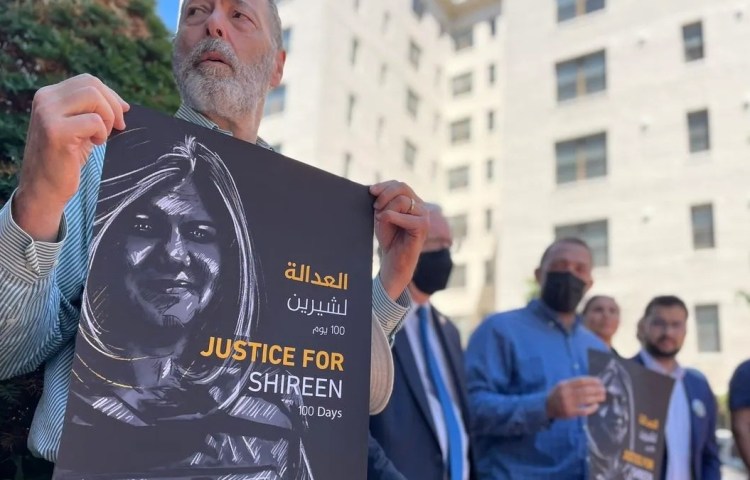
CPJ urges US senators to seek accountability for Israel’s killing of journalist Shireen Abu Akleh
CPJ joined civil society organizations in a letter to the U.S. Senate on September 23, urging senators to co-sponsor and vote “yes” on Sen. Chris Van Hollen’s Section 502B(c) privileged resolution requiring the U.S. State Department to report to Congress on escalating human rights violations in the West Bank, including the killings of U.S. citizens….
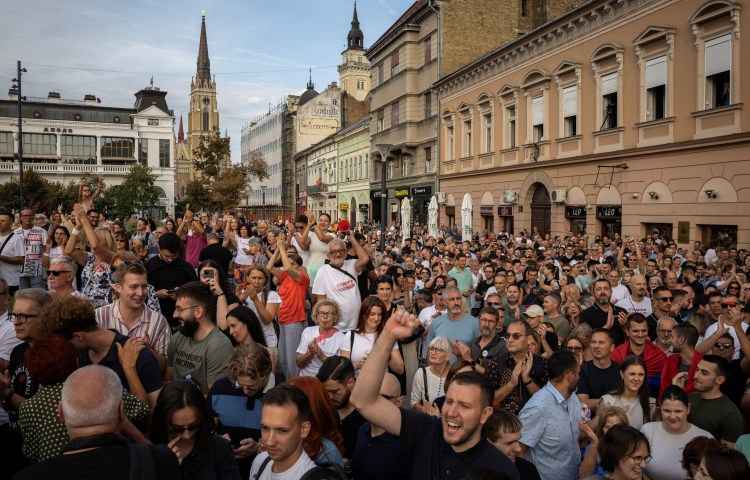
Assaulted and threatened: risks surge for journalists ahead of Serbia elections
Berlin, September 22, 2026—As Serbians prepare to vote in October parliamentary elections, journalists covering the polls are at serious risk of threats, violence and hostility of the sort that has become increasingly common during President Aleksandar Vučić’s time in office. Recent attacks on reporters covering political rallies ahead of the vote on October 25 provide an…
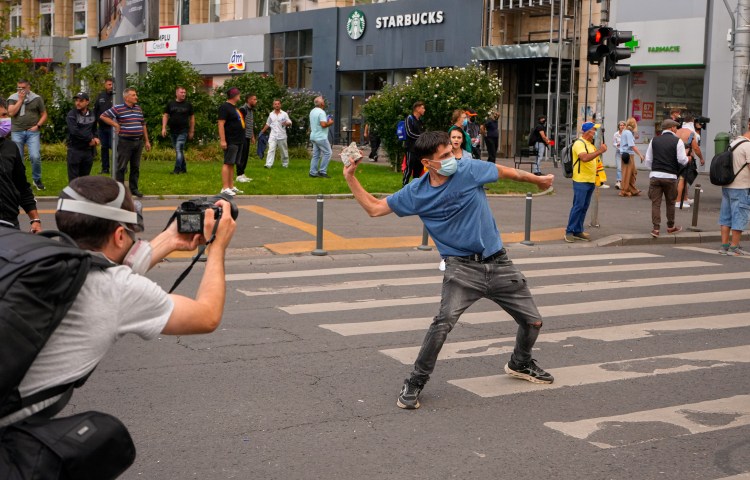
Journalists attacked while covering violent farmers’ protest in Romania
Berlin, September 21, 2026—Romanian authorities must swiftly investigate attacks on journalists covering last week’s farmers’ protest in Bucharest, and make sure those responsible are held accountable while also respecting journalists’ right to protect their sources, the Committee to Protect Journalists said Monday. After the protests on September 15, police publicly requested footage from media, civil…
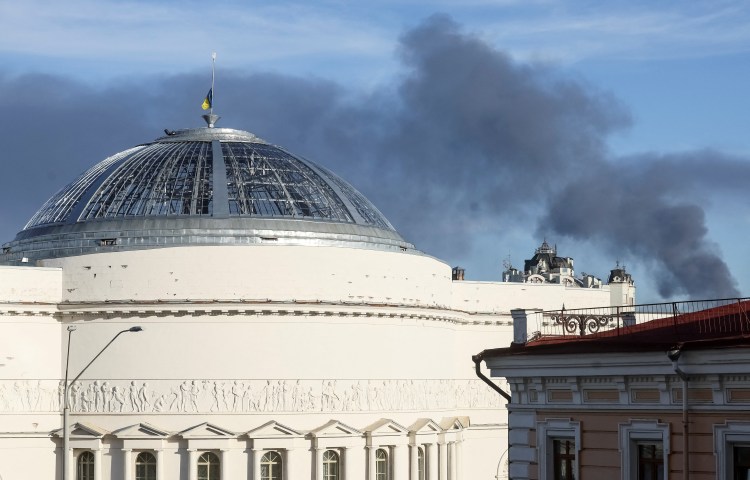
Ukraine: Russian drone strike on TV channel building in Kyiv injures six people, damages newsroom
London, September 8, 2026—A Russian drone strike on a building housing two TV channels in Kyiv wounded six people and seriously damaged the newsroom on Tuesday while the team was on air. Three employees were taken to hospital following the attack on the premises of We Are Ukraine and We Are Ukraine+ TV channels, according…
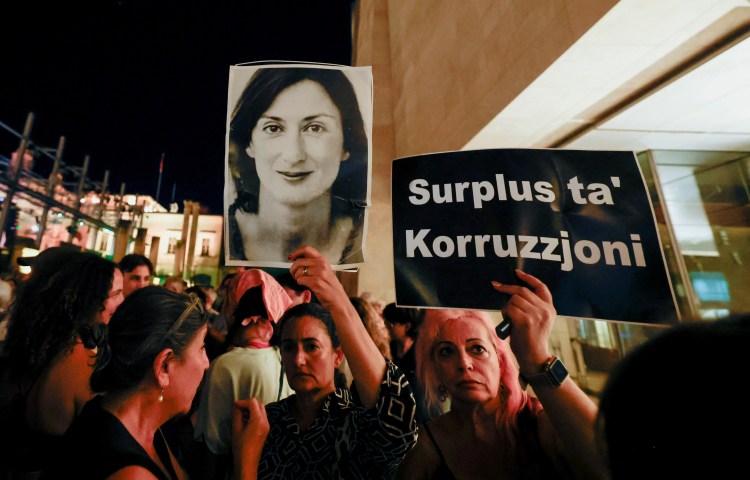
Malta: The fight for justice for Daphne Caruana Galizia must continue
Valletta, September 3, 2026—Almost nine years after investigative journalist Daphne Caruana Galizia was assassinated in a car bomb, Malta has still not convicted the person or people who orchestrated her horrific murder, setting a terrible precedent that will resonate across Europe. On Wednesday, following an emotional trial that lasted 55 days and gripped the nation,…
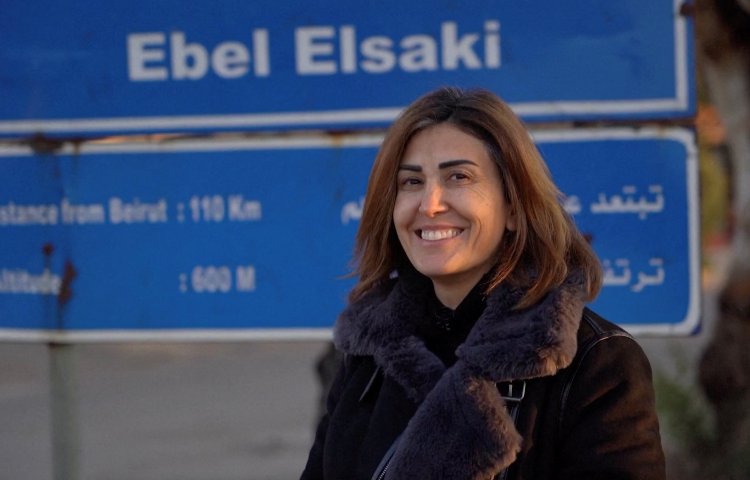
CPJ renews accountability calls in the killing of Lebanese journalist Amal Khalil after Amnesty International probe
New York, August 6, 2026—The Committee to Protect Journalists is renewing its demands for immediate accountability for the killing of Lebanese journalist Amal Khalil. This follows an Amnesty International investigation concluding that the Israeli strike that killed her should be investigated as a war crime. Khalil was murdered in southern Lebanon on April 22, 2026,…
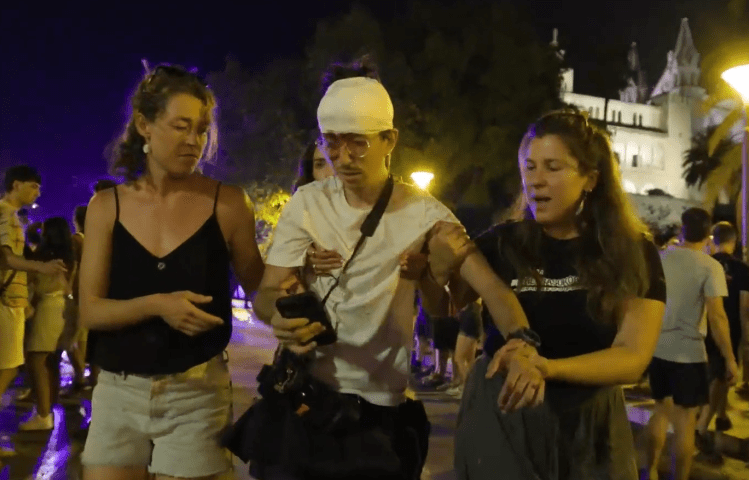
Photojournalist injured by police while covering protest in Spain’s Mallorca
Berlin, July 29, 2026—The Committee to Protect Journalists calls on Spanish authorities to ensure that police forces guarantee the safety of journalists covering protests after freelance journalist Xavi Hurtado was hit by a police officer while covering a demonstration in Palma, Mallorca and left needing hospital treatment for a head wound and bruising. On July…
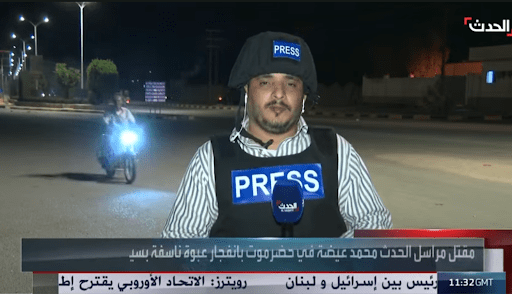
CPJ, partners call for investigation into the killing of Yemeni journalist Mohammed Aydah
The Committee to Protect Journalists, together with the Yemeni Media Freedom Observatory and the National Organization of Yemeni Reporters, sent a letter on Tuesday to members of the Presidential Leadership Council of Yemen calling for a swift, independent, and professional investigation into the killing of journalist Mohammed Aydah. CPJ and its partners urged Council Chairman…

CPJ submits joint report to UN ahead of Sudan human rights review
The Committee to Protect Journalists, together with the Sudanese Journalists Syndicate (SJS), has submitted a report to the United Nations Human Rights Council documenting the devastating collapse of press freedom in Sudan, ahead of the country’s Universal Periodic Review (UPR). The UPR, a UN mechanism that reviews each member state’s human rights record every 4½…
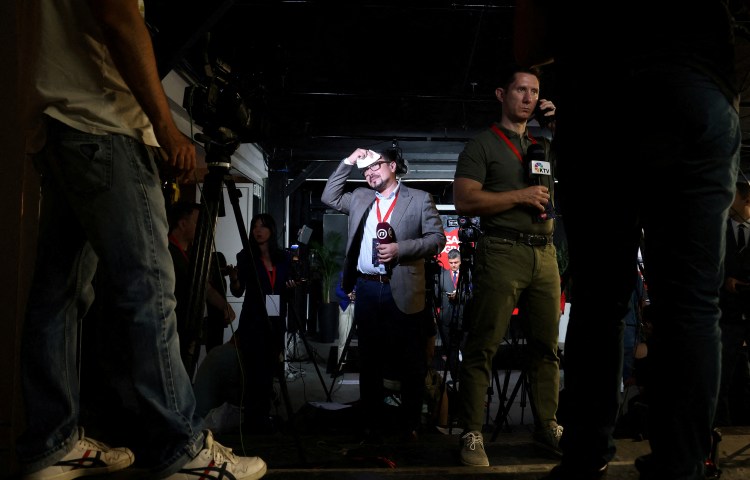
CPJ, partners publish report documenting dangerous spiral of violence against journalists in Serbia
The Committee to Protect Journalists and partner organizations on Thursday published a report documenting rising attacks, threats, police violence, and smear campaigns against journalists in Serbia, as well as persistent impunity for those responsible. Based on an international fact-finding mission to Belgrade in March 2026, the report also examines legal and digital threats to the…