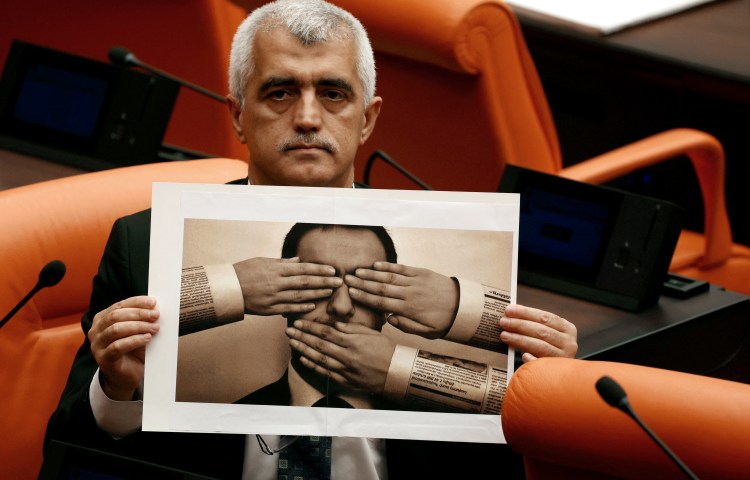
Turkey: 4 more journalists arrested for ‘spreading disinformation’ as media crackdown intensifies
Istanbul, October 12, 2026—Turkey’s ongoing crackdown on independent media is continuing at an alarming pace with four more journalists arrested and placed under house arrest over the weekend on suspicion of publicly spreading disinformation, the Committee to Protect Journalists said Monday. On October 9, Turkish police questioned Mustafa Balcı and İsmail Saymaz from the independent Sözcü…
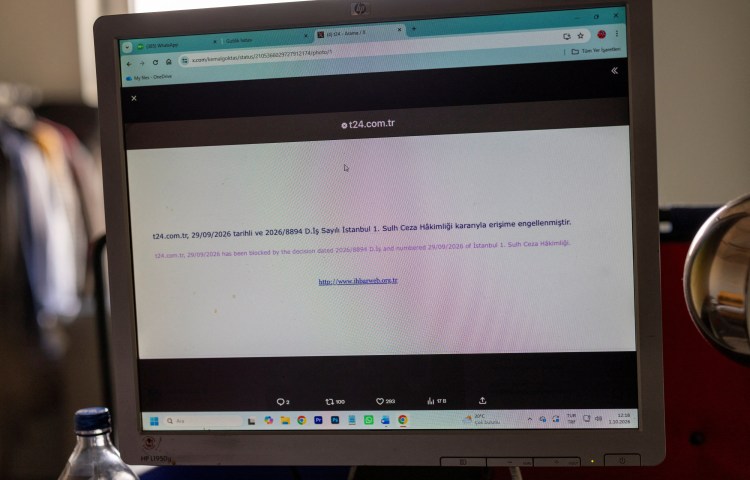
CPJ, partners ask Turkey and social media platforms to halt online crackdown on journalists and rights defenders
The Committee to Protect Journalists on Monday joined 20 local and international partner organizations in a joint statement asking Turkey and social media platforms to stop censoring journalists and rights defenders online by blocking their accounts, and respect the right to free expression. The Freedom of Expression Association (İFÖD) found that in September alone, Turkish…
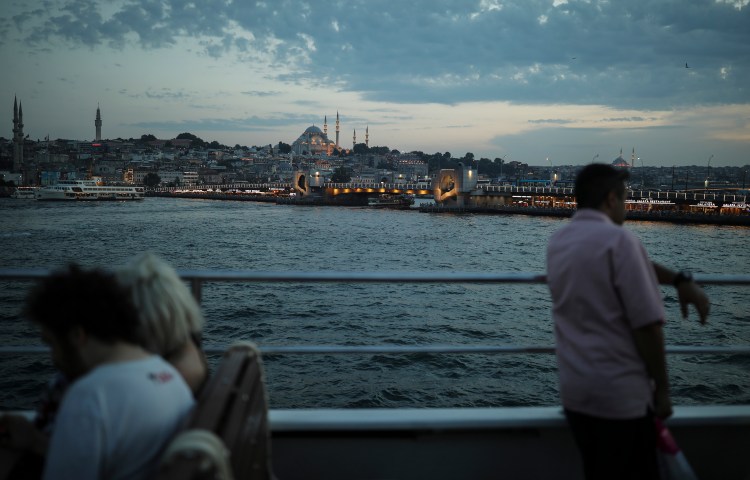
Journalist Derya Okatan arrested in Turkey for allegedly possessing classified material
Istanbul, October 6, 2026—Turkish authorities must immediately release journalist Derya Okatan and stop an escalating press crackdown that in this case involves imprisoning a veteran reporter based on flimsy evidence, the Committee to Protect Journalists said Tuesday. Okatan, who most recently worked for independent broadcaster TELE1 before it was taken over by the government, was…
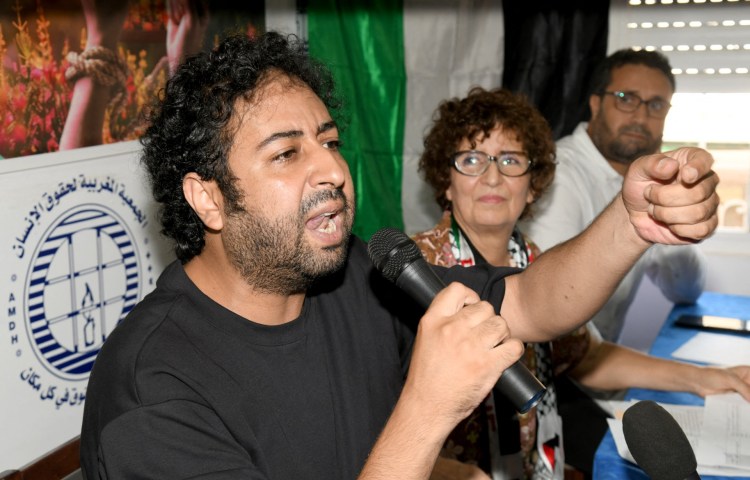
CPJ urges Morocco to end press surveillance following Amnesty report
New York, October 1, 2026—The Committee to Protect Journalists urges Moroccan authorities to immediately end the unlawful surveillance of journalists, and hold those responsible to account. This demand follows a newly published Amnesty International report documenting the use of spyware and other surveillance methods by Morocco’s intelligence services to monitor journalists, human rights defenders, and…
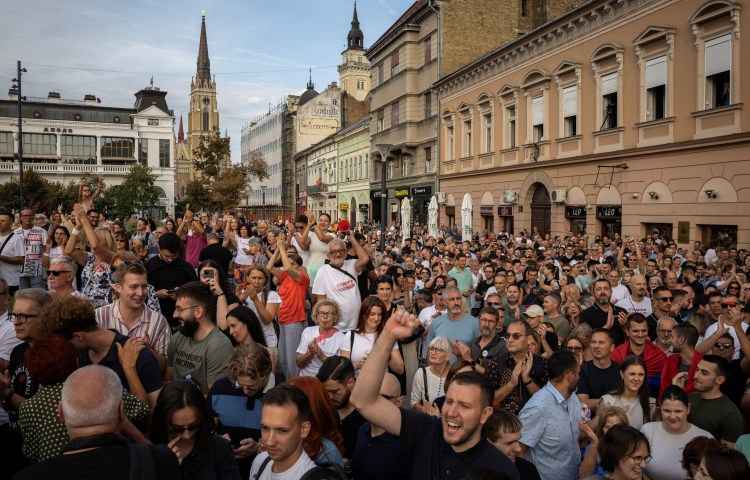
Assaulted and threatened: risks surge for journalists ahead of Serbia elections
Berlin, September 22, 2026—As Serbians prepare to vote in October parliamentary elections, journalists covering the polls are at serious risk of threats, violence and hostility of the sort that has become increasingly common during President Aleksandar Vučić’s time in office. Recent attacks on reporters covering political rallies ahead of the vote on October 25 provide an…
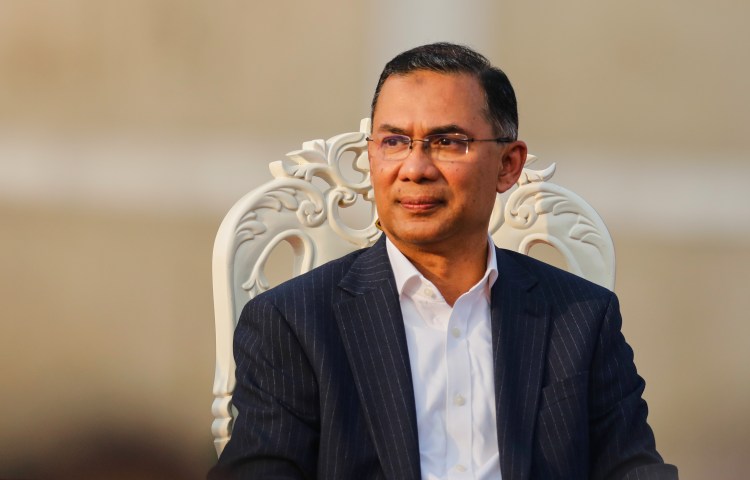
Bangladeshi journalists face 10-year jail terms for ‘unverified’ reporting under draft cybercrime law
Dhaka, September 14, 2026—Bangladesh’s government must immediately withdraw or substantially revise proposed amendments to the Cyber Protection Act that would criminalize reporting officials deem unverified, and grant authorities the power to block journalists’ work and deregister news outlets, the Committee to Protect Journalists said Monday. The draft amendments, which the Ministry of Information and Broadcasting…
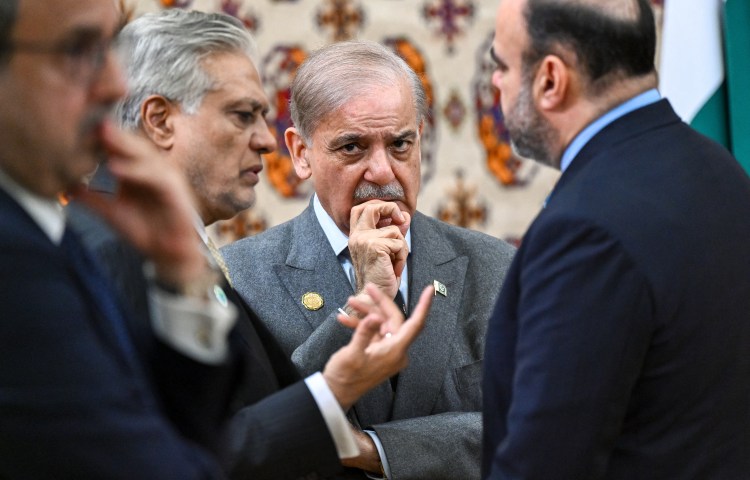
CPJ, partners call Pakistan’s prime minister to address alarming deterioration in press freedom
The Committee to Protect Journalists, together with eight other press freedom and human rights organizations, on Friday urged Pakistan’s Prime Minister Shehbaz Sharif to take immediate action to address the country’s rapidly deteriorating press freedom environment. In a joint letter, the groups expressed concern about new restrictions on reporting in parts of Pakistan, recurring internet…
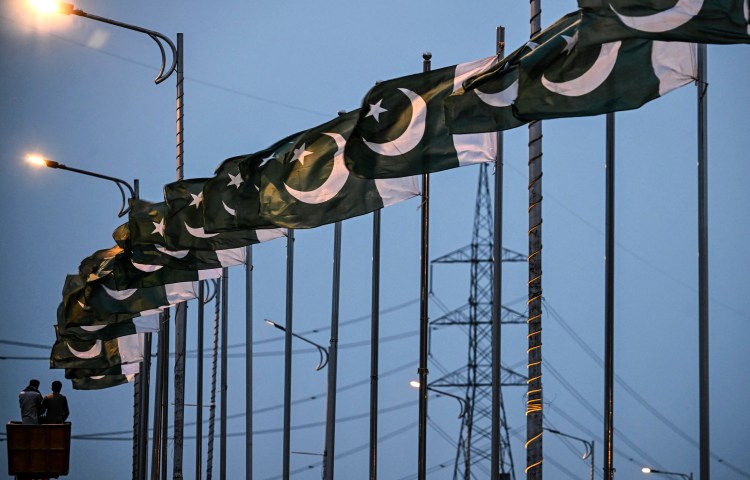
Pakistan detains journalist Muhammad Bilal Ghauri over commentary on security appointment
New York, September 9, 2026—Pakistani authorities must immediately release independent journalist Muhammad Bilal Ghauri and drop the cybercrime case filed against him over his commentary about the appointment of a senior counterterrorism official, the Committee to Protect Journalists said Tuesday. Ghauri, who covers news via his popular YouTube channel, was reported missing by his family…
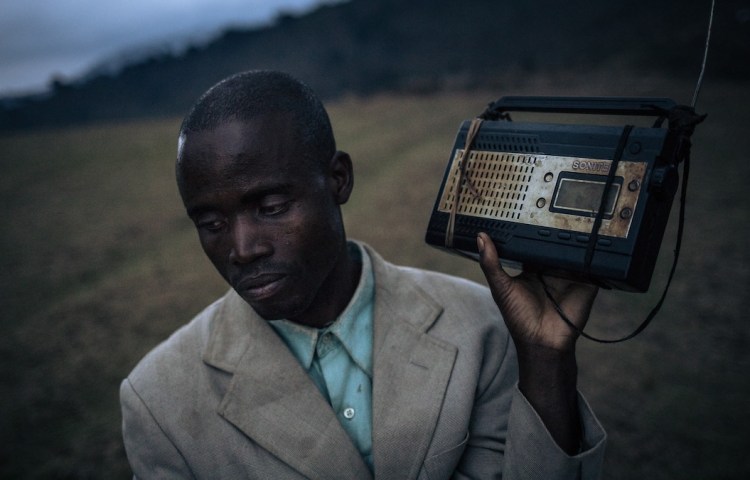
DRC shutdown of internet, mobile networks in east extends for over a month amid war
Kinshasa, August 17, 2026—The Committee to Protect Journalists calls on authorities in the Democratic Republic of the Congo to restore mobile telecommunications and internet services that have been cut off for more than a month in the Fizi Territory, which includes the city of Baraka, in the eastern province of South Kivu. “The intensification of…
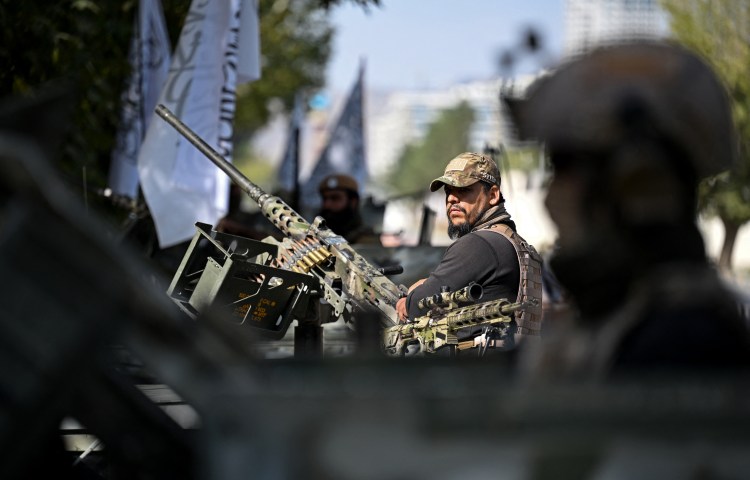
5 years after Taliban takeover, CPJ calls for an end to deepening repression of journalists
New York, August 14, 2026—Five years on from the Taliban’s seizure of Afghanistan, the Committee to Protect Journalists calls on the group to halt its brutal repression of the press — particularly women journalists — and lift sweeping restrictions that have cut access to independent information and allowed a propaganda ecosystem to flourish. After capturing…