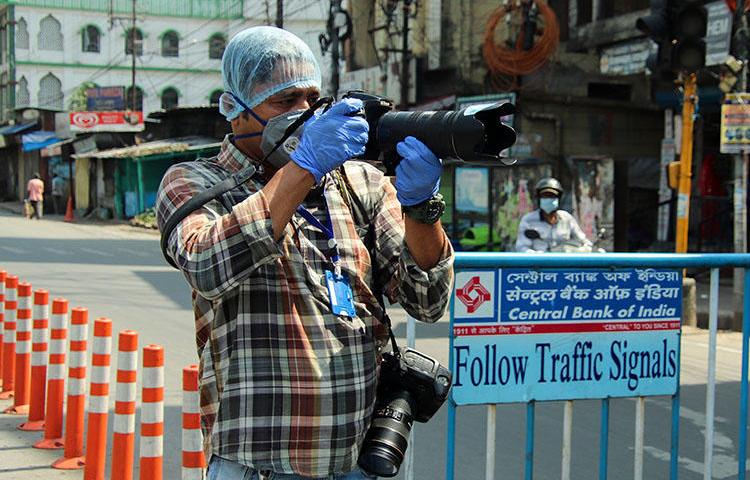
Freelance journalists risk lives and livelihoods amid COVID-19 pandemic
Johannesburg-based freelance journalist Yeshiel Panchia was on his way to cover a story about a local developer who had found a way to keep his wage laborers employed during South Africa’s coronavirus lockdown by letting them live on the construction site so that they didn’t have to leave “home” in contravention of strict rules.
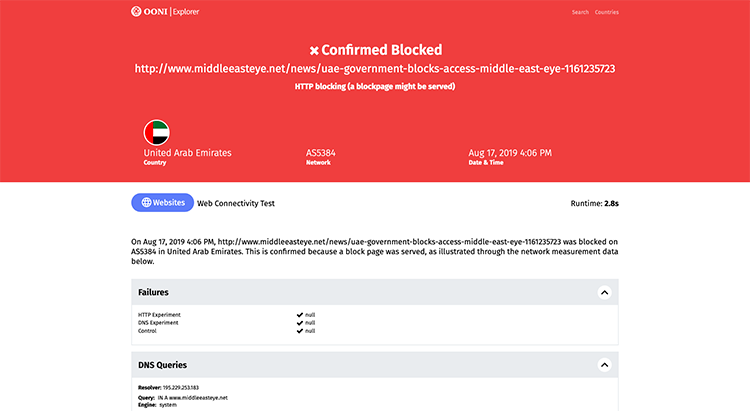
Q&A: OONI Explorer team unlock the web’s untold censorship stories
The internet is not one network, but thousands of interconnected networks. How can anyone know how they are controlled without inspecting them all? In 2012, the Open Observatory of Network Interference (OONI) set out to do just that. A program run by the Seattle-headquartered Tor Project, OONI created OONI Probe, software that anyone can use…

CPJ Launches Digital Safety Kit
The Committee to Protect Journalists has launched a new, updated Digital Safety Kit for journalists looking to better protect themselves, their sources, and their information. The kit, produced by CPJ’s Emergencies Response Team, combines six bite-sized safety notes on different topics in an accessible format that is easy to digest.

Ethiopian photojournalist shares experiences of going into exile
For World Refugee Day, exiled Ethiopian photojournalist Aziza Mohamed spoke with CPJ Journalist Assistance Program Coordinator Nicole Schilit about her experience of being a refugee and eventually being resettled in the U.S. [This transcript of Aziza’s comments has been edited for length and clarity.]
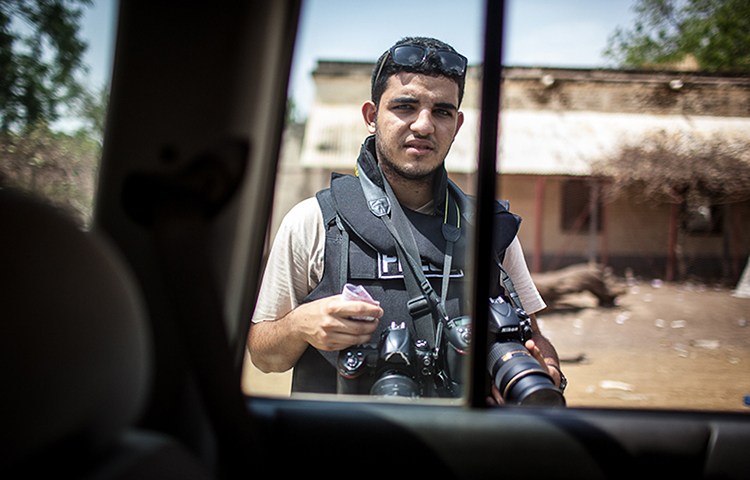
Lens in Exile: CPJ Instagram takeover to put focus on photojournalists
To highlight the work of journalists living in exile, CPJ is collaborating with a group of photojournalists, who will take over our Instagram account to share their work, often from the very assignments that forced them to flee. As CPJ’s Journalist Assistance Program Coordinator and someone with a background in photography, it is project that…
Supporting journalists at risk: Syrian reporter Rifaie Tammas
In its new series, “Supporting journalists at risk,” CPJ profiles journalists who have been in dire situations as a result of persecution for their work. CPJ’s Journalist Assistance program has helped these journalists, and hundreds of others, through a combination of financial and non-financial assistance. In this edition, CPJ recounts how 26-year-old Syrian Rifaie Tammas…
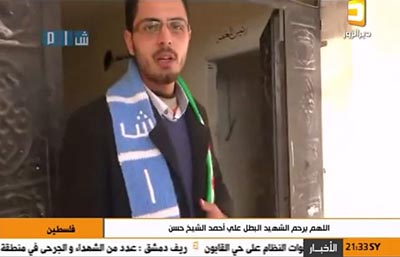
Supporting journalists at risk: Syrian reporter Zakwan Hadid
In its new series, “Supporting journalists at risk,” CPJ profiles journalists who have been in dire situations as a result of persecution for their work. CPJ’s Journalist Assistance program has helped these journalists, and hundreds of others, through a combination of financial and non-financial assistance. In this edition, CPJ looks at Zakwan Hadid, a 29-year-old…

Mission Journal: Ethiopian journalists must choose between being locked up or locked out
A sharp increase in the number of Ethiopian journalists fleeing into exile has been recorded by the Committee to Protect Journalists in the past 12 months. More than 30–twice the number of exiles CPJ documented in 2012 and 2013 combined–were forced to leave after the government began a campaign of arrests. In October, Nicole Schilit…
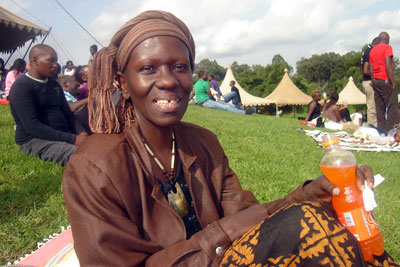
Forced to flee false perceptions, ICC, and Kenyan press
EDITOR’S NOTE: February 15, 2014 marked one year since Omwa Ombara arrived in the U.S. to seek political asylum after attempts on her life in Kenya between May and December 2012. She fled her native land after being contacted by International Criminal Court (ICC) investigators probing the violence that followed the Kenyan elections in 2007-2008,…
Journalist Assistance helps record number in 2012
An increase in press freedom violations last year created a surge of need among journalists, driving a record number of assistance cases for CPJ’s Journalist Assistance Program in 2012. More than three-quarters of the 195 journalists who received support during the year came from East Africa and the Middle East and North Africa, reflecting the…