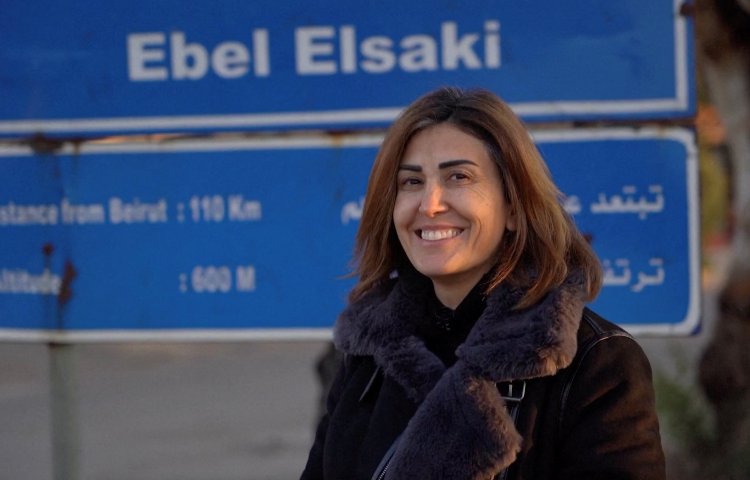
CPJ renews accountability calls in the killing of Lebanese journalist Amal Khalil after Amnesty International probe
New York, August 6, 2026—The Committee to Protect Journalists is renewing its demands for immediate accountability for the killing of Lebanese journalist Amal Khalil. This follows an Amnesty International investigation concluding that the Israeli strike that killed her should be investigated as a war crime. Khalil was murdered in southern Lebanon on April 22, 2026,…
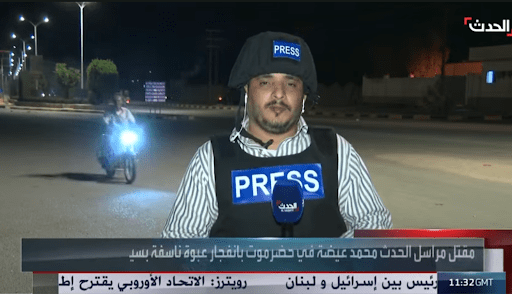
CPJ, partners call for investigation into the killing of Yemeni journalist Mohammed Aydah
The Committee to Protect Journalists, together with the Yemeni Media Freedom Observatory and the National Organization of Yemeni Reporters, sent a letter on Tuesday to members of the Presidential Leadership Council of Yemen calling for a swift, independent, and professional investigation into the killing of journalist Mohammed Aydah. CPJ and its partners urged Council Chairman…
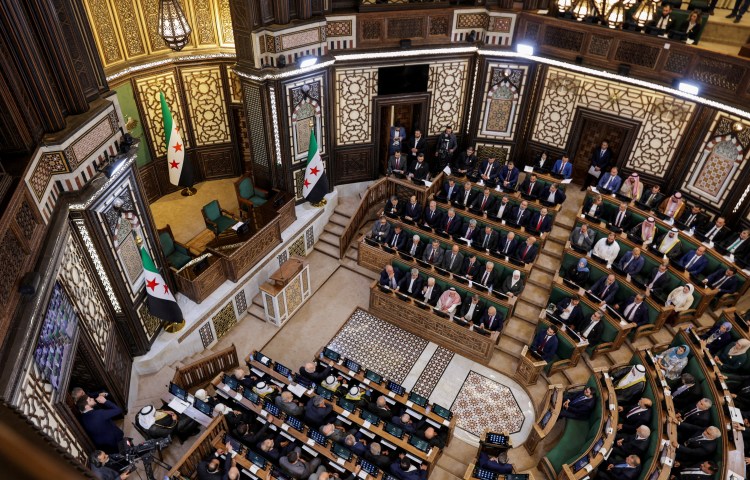
CPJ, SCM submit report to UN ahead of Syria human rights review
The Committee to Protect Journalists, together with the Syrian Centre for Media and Freedom of Expression (SCM), has submitted a report to the United Nations Human Rights Council documenting persistent threats to press freedom in Syria, ahead of the country’s Universal Periodic Review (UPR). The UPR, a UN mechanism that reviews each member state’s human…
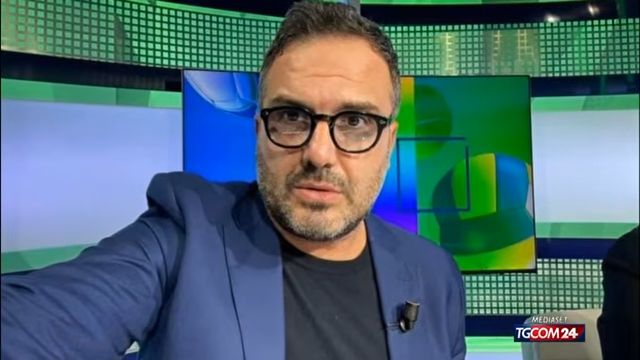
UPDATE: Sports journalist Luca Esposito killed in Italy
[Editor’s Note: On July 24, 2026, Italian police arrested a man in connection with the killing and local reports said the evidence gathered so far suggests the motive was not related to Esposito’s journalism.] Berlin, July 20, 2026—Italian authorities must conduct a swift and thorough investigation into the killing of sports journalist Luca Esposito, whose charred body was found on a farm in southern Italy on…

CPJ submits joint report to UN ahead of Sudan human rights review
The Committee to Protect Journalists, together with the Sudanese Journalists Syndicate (SJS), has submitted a report to the United Nations Human Rights Council documenting the devastating collapse of press freedom in Sudan, ahead of the country’s Universal Periodic Review (UPR). The UPR, a UN mechanism that reviews each member state’s human rights record every 4½…
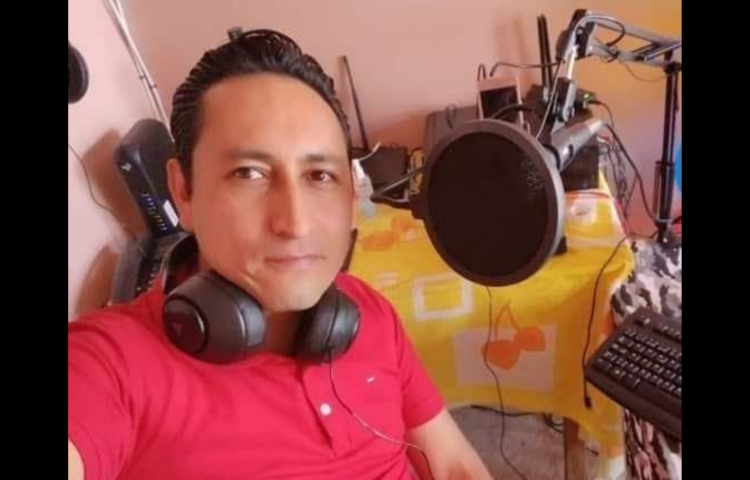
Mexican journalist Josué Martínez shot dead in Puebla, fourth killed in over a month
Mexico City, July 17, 2026—Mexican authorities must swiftly and credibly investigate the killing of 39-year-old Josué Martínez Contreras, who is the fourth Mexican journalist to be killed in the country in just over a month, said the Committee to Protect Journalists on Friday. Martínez, the founder and general director of the Facebook-based news site Noticias…
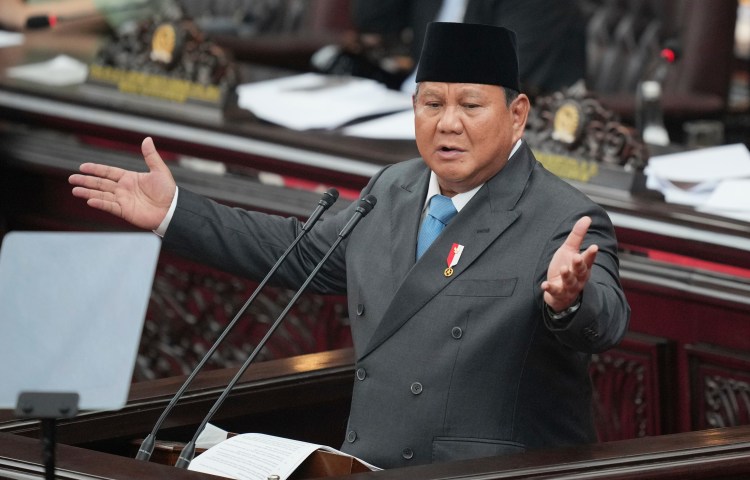
CPJ, partners call on Indonesian president to reopen investigation into journalist’s murder
The Committee to Protect Journalists and five other civil society organizations on Thursday called on Indonesian President Prabowo Subianto to order police to reopen the investigation into the murder of journalist Rico Sempurna Pasaribu and his family, with a focus on the alleged involvement of a soldier named Corporal Herman Bukit. The joint letter was…
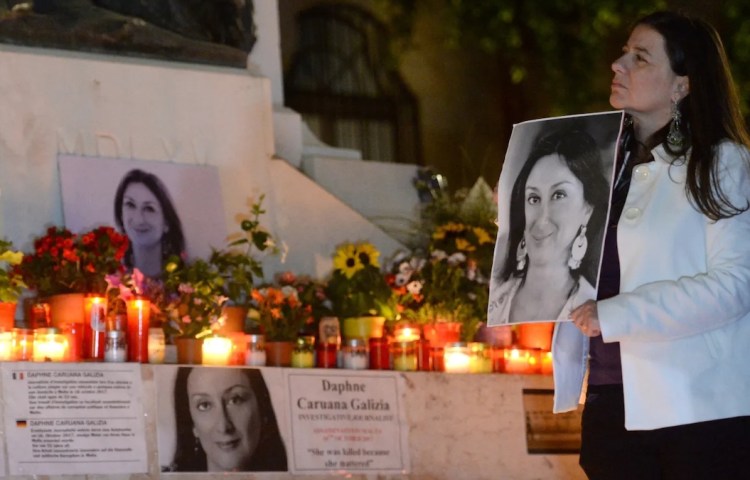
Daphne Caruana Galizia’s murder: Landmark trial puts Malta’s press freedom back in spotlight
More than eight years after the assassination of Maltese journalist Daphne Caruana Galizia sent shockwaves through Europe, all eyes are once again on the capital Valletta, where the alleged mastermind of her murder has been on trial since July 1. Yorgen Fenech, a powerful businessman, is standing trial on a charge of complicity in murder…
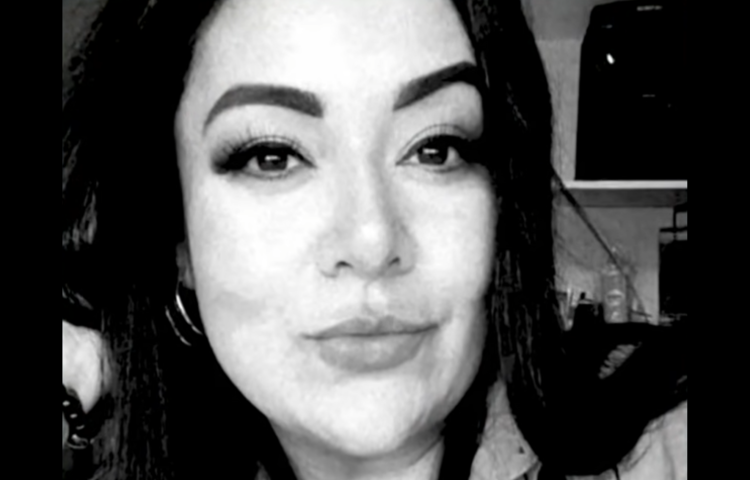
Remains of abducted Mexican journalist Roxana Guzmán identified in Veracruz
Mexico City, July 4, 2026 — Mexican authorities must credibly and transparently investigate the killing of journalist Roxana Berenice Guzmán Rodríguez, determine whether her abduction and killing were related to her work as a journalist, and bring her killers to justice, the Committee to Protect Journalists said Saturday. Unidentified armed attackers abducted Guzmán, the founder…
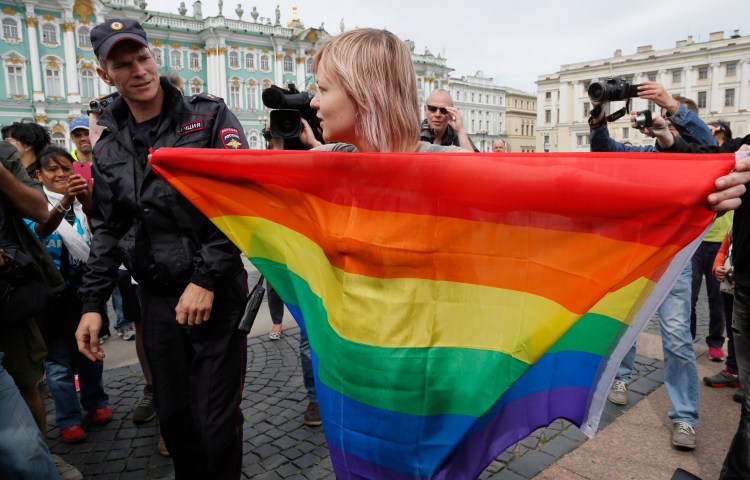
The high price journalists paid for LGBTQ+ reporting, and how to protect yourself now
As LGBTQ+ communities celebrate Pride this June, many journalists continue to face an ugly reality: simply reporting on this community can open them up to prosecution, physical attacks, threats, arrest, exile, and even death. Avijit Roy, a Bangladeshi-born American who blogged about LGBTQ+ rights and free expression, was stabbed to death alongside his wife after…