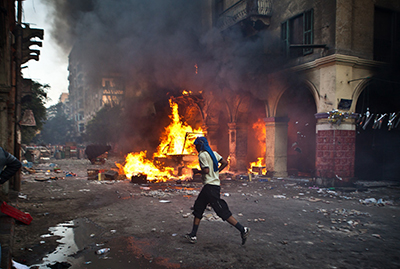
Journalists detained, attacked amid unrest in Egypt
New York, August 19, 2013–New York, August 19, 2013–Several journalists working for international media said they were assaulted or briefly detained over the weekend. The attacks and harassment came as Egyptian authorities publicly accused international journalists of distorting coverage of recent events.
New Zealand, US may have spied on McClatchy reporter
Concern over government surveillance of journalists has washed up on the faraway shores of New Zealand, with a report in the country’s Sunday Star this week asserting that the military there, with help from U.S. intelligence, spied on an investigative journalist who had been critical of its activities in Afghanistan.
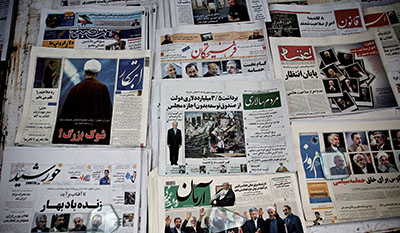
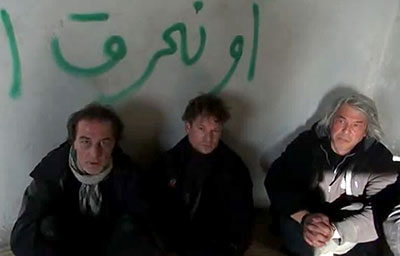
Do news blackouts help journalists held captive?
At any given time over the past two years, as wars raged in Libya and then Syria, and as other conflicts ground on in South Asia and sub-Saharan Africa, a number of journalists have been held captive by a diverse array of forces, from militants and rebels to criminals and paramilitaries. And at any given…

U.S. journalist unaccounted for in Syria
New York, August 23, 2012–The Committee to Protect Journalists is deeply concerned about the well-being of U.S. freelance journalist Austin Tice, who has not been heard from in Syria for more than a week, according to reports from The Washington Post and the McClatchy news service, two outlets for which he was reporting.
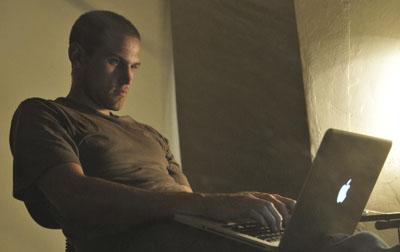
McClatchy’s Boswell caught in South Sudan’s war of words
A day before U.S. Secretary of State Hillary Rodham Clinton visited South Sudan this month, McClatchy correspondent Alan Boswell reported that President Salva Kiir had finally acknowledged his government’s support for a Nuba Mountains-based group that had been skirmishing with Sudanese forces. In a letter to his U.S. counterpart, the story said, Kiir apologized for…
Journalists targeted in Bahrain, Yemen, and Libya
New York, February 18, 2011–The Committee to Protect Journalists called on authorities today in Bahrain, Yemen, Libya to cease their attempts to prevent media from reporting on anti-government demonstrations. Bahraini authorities used live ammunition–including fire from a helicopter–against peaceful protesters and journalists, according to news reports. Pro-government thugs attacked at least two journalists in Yemen, and…
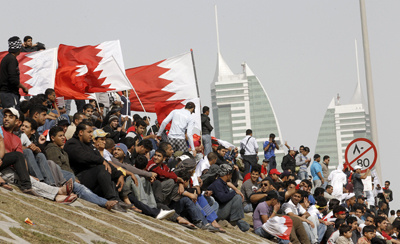
Attacks on media continue in Bahrain, Yemen, and Iraq
New York, February 17, 2011–Authorities in Bahrain and Yemen have escalated their physical attack on the press in order to censor coverage of spreading anti-government protests, the Committee to protect Journalists said today. Also, in Iraq, at least two journalists were attacked by guards for the Kurdistan Democratic Party’s building, local journalists told CPJ.