Saudi crown prince’s alleged hacking of Bezos raises press freedom concerns
Washington, January 22, 2020—The Committee to Protect Journalists today joined U.N. human rights experts in calling for an investigation into the alleged hacking of The Washington Post owner and Amazon founder Jeff Bezos. The U.N. experts called the alleged hacking “an effort to influence, if not silence, The Washington Post’s reporting on Saudi Arabia.”
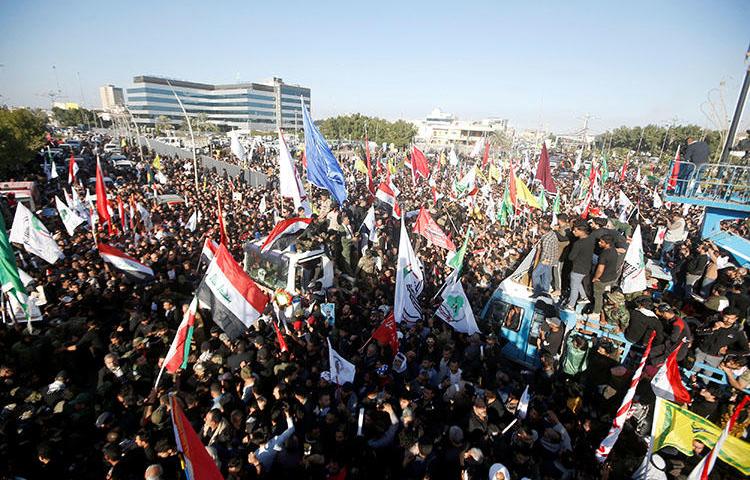
CPJ Safety Advisory: Iraq Safety Advisory
In wake of the January 3, 2020, U.S. airstrike that killed Iranian Gen. Qassem Soleimani and Iraqi militia leader Abu Mahdi al-Mohandis, pro-Iranian militias have warned that “all retaliation options are on the table,” as reported by The Independent. According to CPJ research, pro-Iran militias, including those known as the Popular Mobilization Forces (PMF), have…
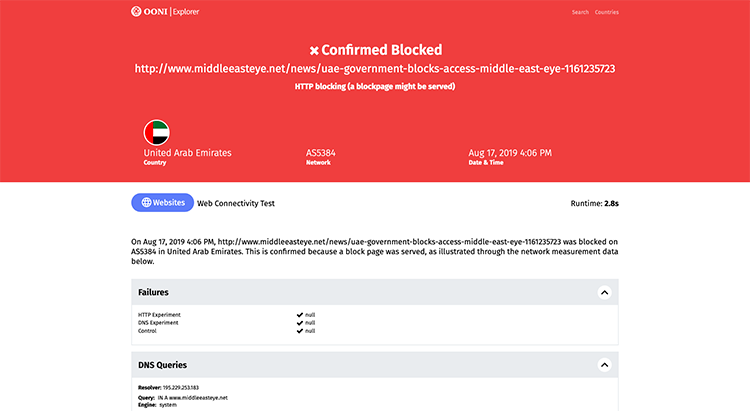
Q&A: OONI Explorer team unlock the web’s untold censorship stories
The internet is not one network, but thousands of interconnected networks. How can anyone know how they are controlled without inspecting them all? In 2012, the Open Observatory of Network Interference (OONI) set out to do just that. A program run by the Seattle-headquartered Tor Project, OONI created OONI Probe, software that anyone can use…
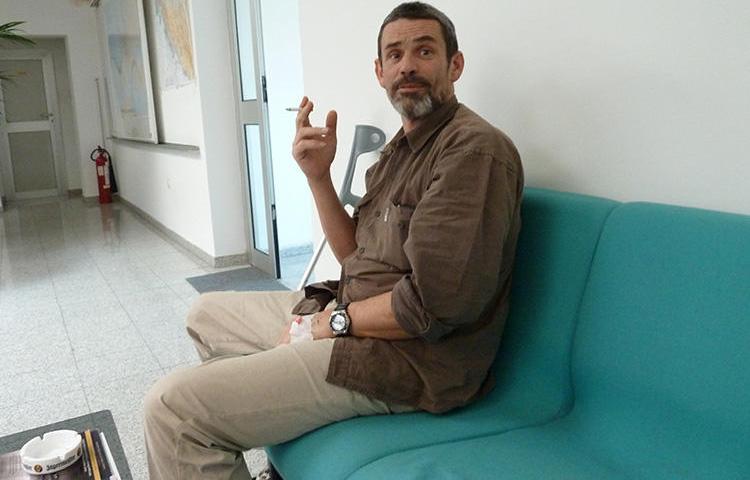
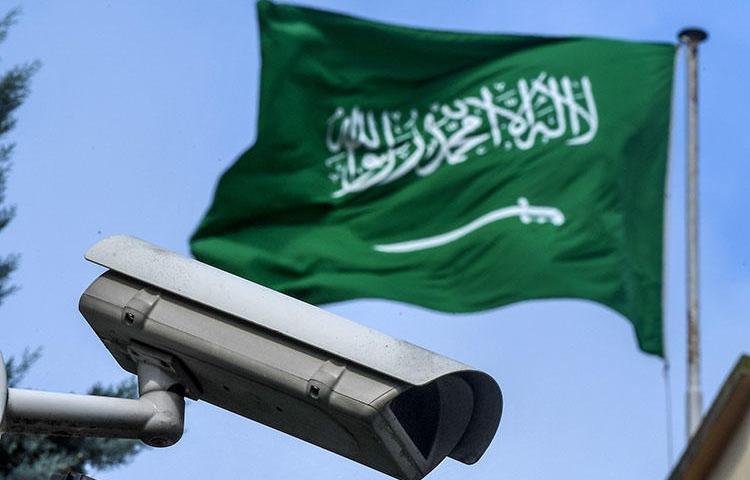
How the Saudis may have spied on Jamal Khashoggi
Omar Abdulaziz, a 27-year-old Saudi Arabian dissident, can still remember the time Jamal Khashoggi, the storied Saudi journalist, unfollowed him on Twitter. It was in 2015, and Khashoggi had been tapped to head a new TV network called Al-Arab, a partnership between a member of the royal family and Bloomberg. Abdulaziz started haranguing Khashoggi online,…
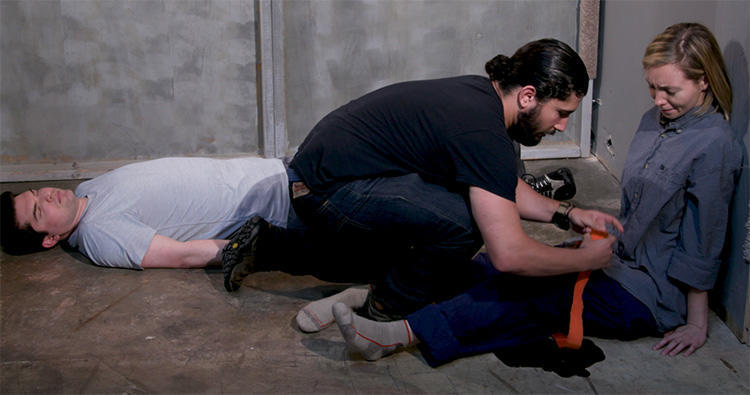
First aid videos
Journalists face the risk of serious injuries while on both dangerous and routine assignments. In situations when emergencies lead to severe injury, journalists should be prepared to deal with medical complications in order reduce the severity of injuries and to save both their lives and the lives of their colleagues.
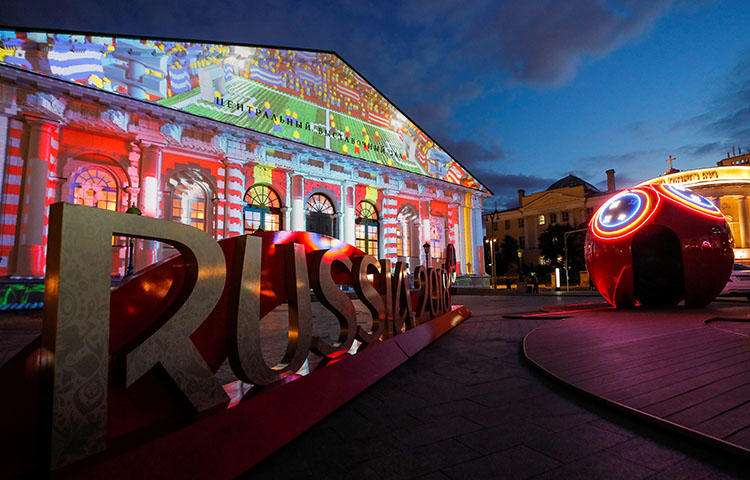
CPJ Safety Advisory – FIFA World Cup
The FIFA World Cup will take place June 14 to July 15 at 12 venues in 11 different cities across Russia. Under FIFA rules, it will be difficult for the Russian authorities to bar individual reporters or deny visas for specific media, but those who do cover the tournament may come under surveillance. Journalists are…
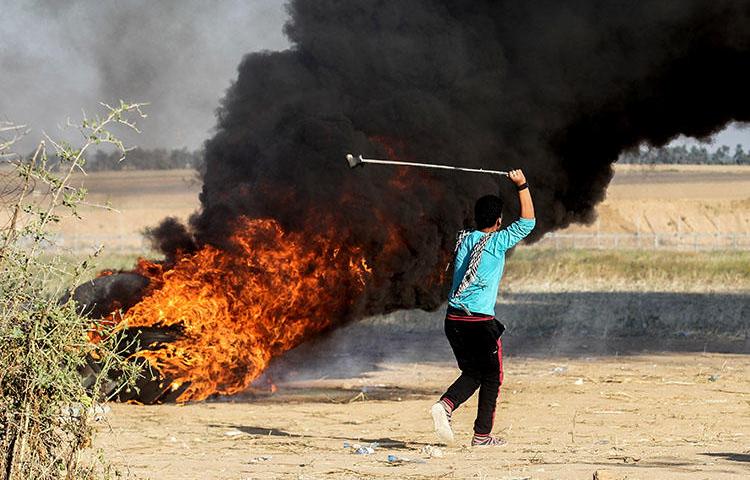
CPJ Safety Advisory: Covering Gaza protests
Unrest continues in the Gaza Strip as Palestinians take part in weekly protests along the Gaza-Israel border. Violence has erupted repeatedly and the Israel Defense Forces (IDF) has fired on demonstrators and used tear gas and rubber bullets during clashes, according to news reports and the IDF. More than a dozen journalists covering the protests…
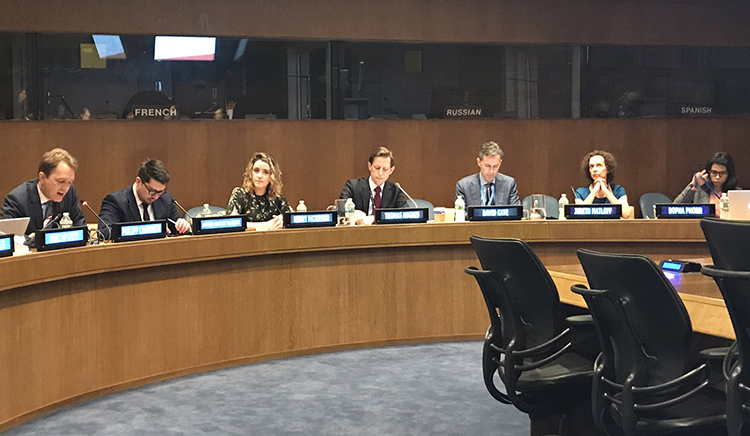
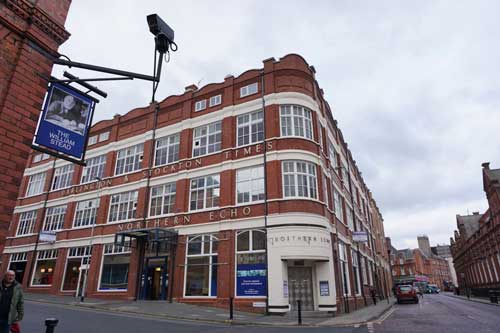
Expanded surveillance powers could threaten work of journalists in UK
Brussels, May 5, 2017–The Committee to Protect Journalists is alarmed by news reports that the U.K. government wants to push telecommunication companies to introduce real-time surveillance and the removal of encryption. On Thursday, The Register published leaked draft regulations detailing how telecommunications operators would be required to grant real-time access to individuals under warrant within…