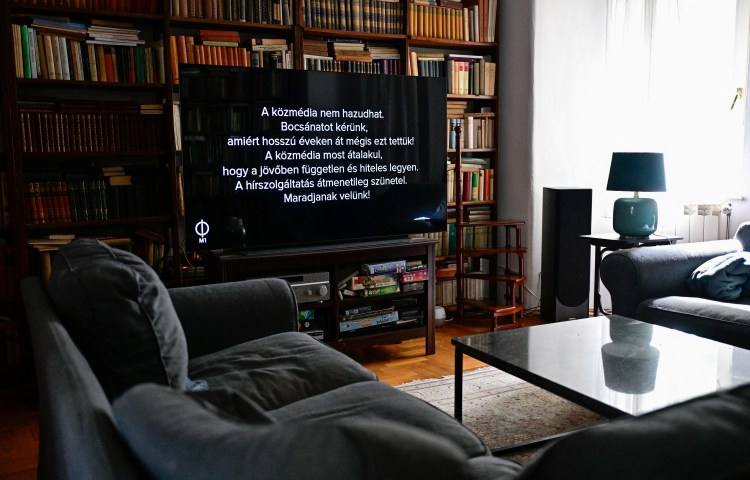
Hungary’s initial media reforms are promising but lasting safeguards still needed
Hungary’s new government has taken promising first steps to restore press freedom after years of state capture under former prime minister Viktor Orbán, but authorities must now move beyond quick fixes to deliver transparent, durable reforms that ensure the media is protected from any and all political interference. After his Tisza party won a landslide…
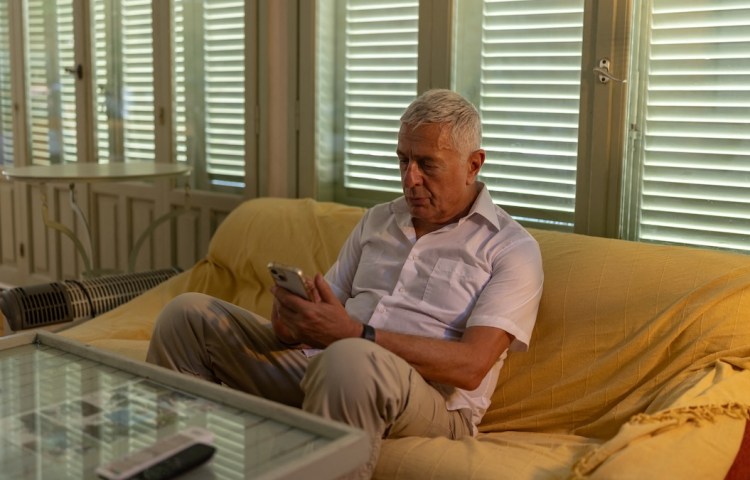
CPJ, partners urge EU to act now on spyware
On July 6, the Committee to Protect Journalists joined over 30 partners in calling on the European Union to address the abuse of spyware in Europe. The statement followed a forensic analysis by Citizen Lab that revealed how Stelios Kouloglou, former Member of the European Parliament and investigative journalist, was targeted and infected with Pegasus…

Ex-judge, ex-general sentenced to 5 years for spying on Chilean journalist
São Paulo, July 1, 2026—The Committee to Protect Journalists welcomes an unprecedented June 30 court decision that sentenced a former judge and an ex-general to five years in prison for illegally spying on independent journalist Mauricio Weibel Barahona as he was investigating corruption in the Chilean army. Weibel’s investigation, “Milicogate: The Great Theft from the…

CPJ, partners file amicus brief to protect encryption from Pegasus spyware
The Committee to Protect Journalists joined 10 other civil society organizations in filing an amicus brief in the U.S. Ninth Circuit Court of Appeals on Wednesday calling for the safeguarding of encryption from NSO Group’s Pegasus spyware to prevent the surveillance of journalists and other human rights defenders. In the brief, which was led by…
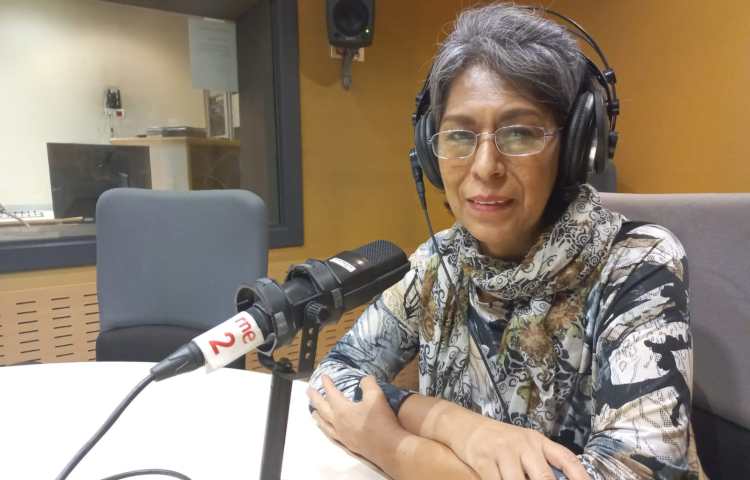
Mexican journalist, IPFA recipient Maria Teresa Montaño targeted in possible malware, surveillance attacks
Mexico City, May 19, 2026—The Committee to Protect Journalists calls on Mexican authorities to immediately and credibly investigate possible malware and digital surveillance attacks against Mexican journalist Maria Teresa Montaño Delgado and The ObserverMX, and take appropriate steps to guarantee her safety. Montaño, a 2023 recipient of CPJ’s International Press Freedom Award (IPFA), told CPJ on May…

Exiled investigative journalist surveilled, doxxed by Belarusian state TV
New York, April 24, 2026—CPJ is alarmed that the Belarusian state-owned TV channel STV broadcast the address and phone number of exiled investigative journalist Stanislau Ivashkevich, and shared personal information about 20 other journalists. We call on Polish authorities to thoroughly investigate allegations that Ivashkevich has been surveilled by Belarusian security services, and on Belarus…

CPJ, partners file ECtHR amicus brief on spyware use against journalists in Azerbaijan
The Committee to Protect Journalists, together with partners Access Now, Data Rights, and Human Constanta, filed an amicus brief on April 21 to the European Court of Human Rights (ECtHR) on the use of spyware to silence journalists, activists, and human rights defenders. The brief was filed in support of a group of cases involving the secret surveillance…
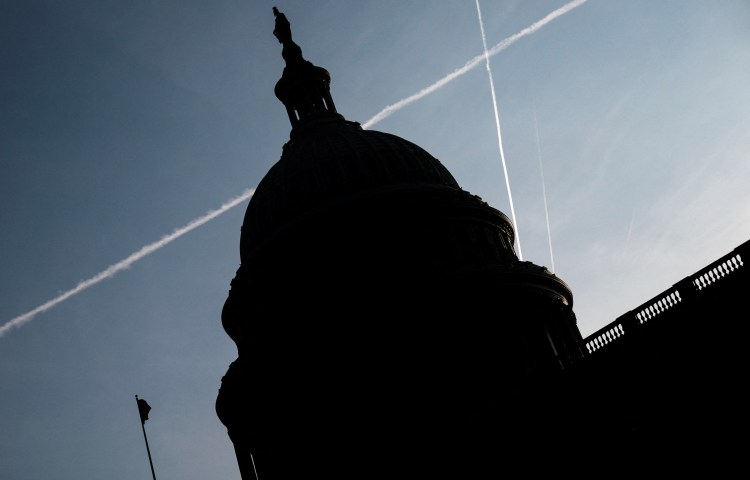
CPJ urges US lawmakers to enact reforms to protect press freedom from warrantless surveillance
Washington, D.C., April 17, 2026—The Committee to Protect Journalists calls on lawmakers to protect press freedom by rejecting an unamended extension of the warrantless surveillance of electronic communications permitted under Section 702 of the U.S. Foreign Intelligence Surveillance Act (FISA). The Foreign Intelligence Surveillance Court, which approves the use of this warrantless surveillance, has itself…
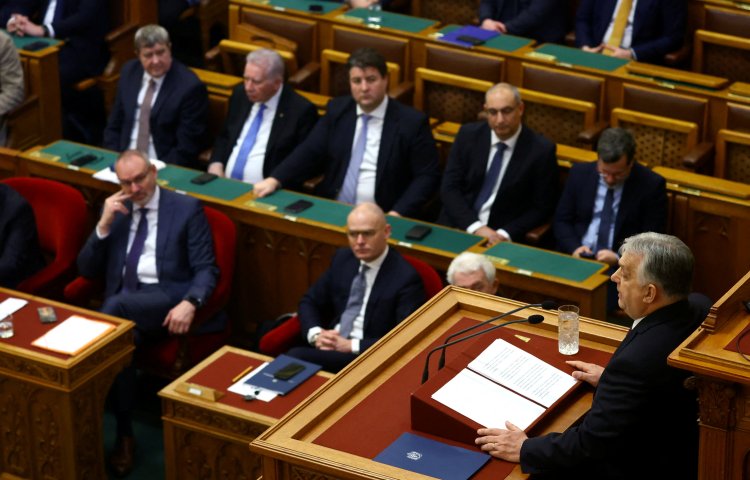
Hungarian elections: CPJ calls on all candidates to commit to 10 key steps to restore press freedom
Ahead of Hungary’s parliamentary elections on April 12, the Committee to Protect Journalists is calling on all political parties to commit to restoring press freedom, starting with 10 priority issues. Hungary’s media landscape has declined severely in the last 16 years under the government of Prime Minister Viktor Orbán. His ruling Fidesz party — which faces…
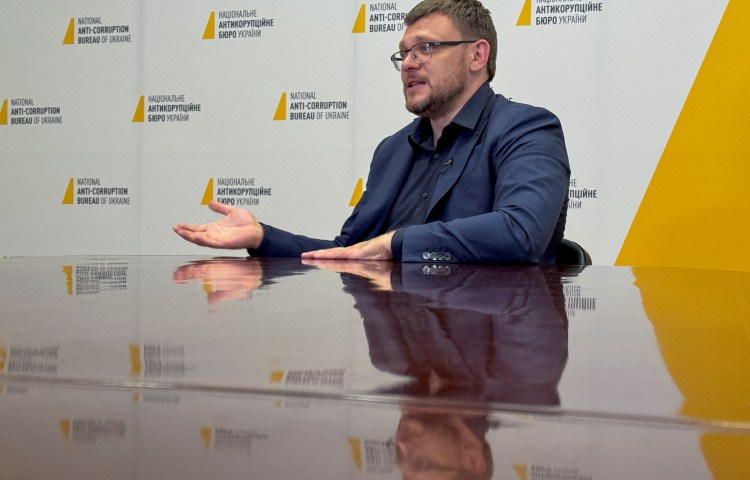
CPJ calls for accountability in Ukrainian journalist surveillance allegations
New York, February 19, 2026—The Committee to Protect Journalists calls for a swift and thorough investigation into the alleged monitoring of at least 10 Ukrainian journalists covering corruption. Ukraine’s national police opened a criminal investigation into the alleged surveillance to determine whether the privacy of journalists who cover corruption was violated, according to the February 11 Facebook post…