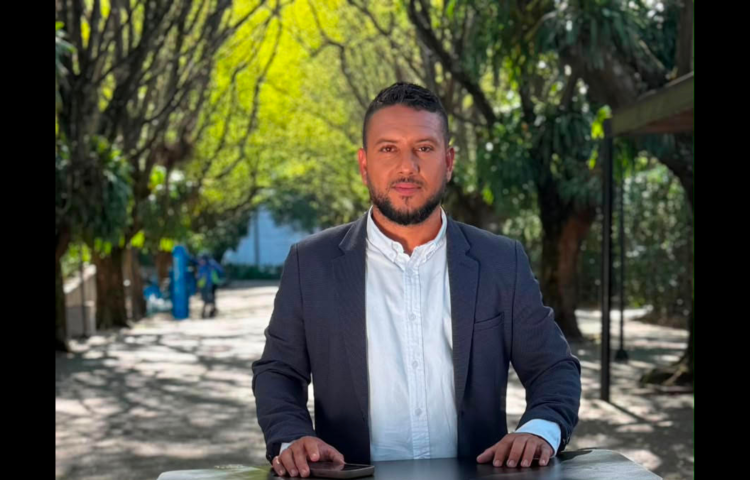
4 local journalists threatened by Colombia’s largest drug-trafficking group
Bogotá, August 4, 2026—Colombian authorities must swiftly investigate threats made by an illegal armed group against regional journalists, bring those responsible to justice, and guarantee the safety of the reporters, said the Committee to Protect Journalists on Tuesday. On July 31, four journalists in the northern city of Apartadó were threatened by members of the Gaitanista…
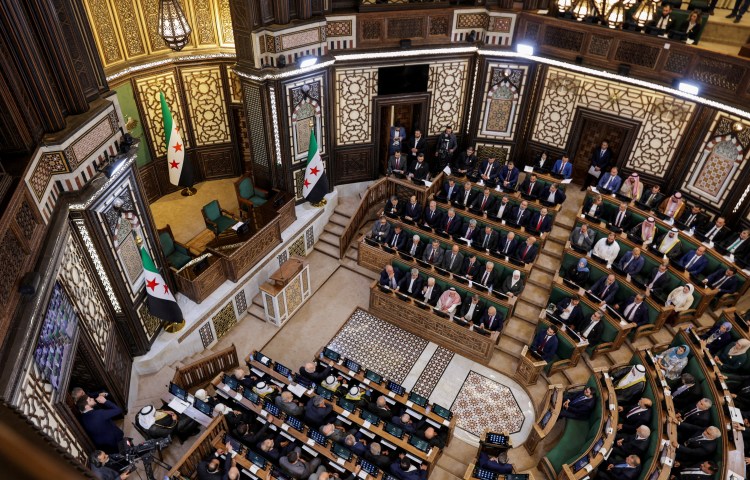
CPJ, SCM submit report to UN ahead of Syria human rights review
The Committee to Protect Journalists, together with the Syrian Centre for Media and Freedom of Expression (SCM), has submitted a report to the United Nations Human Rights Council documenting persistent threats to press freedom in Syria, ahead of the country’s Universal Periodic Review (UPR). The UPR, a UN mechanism that reviews each member state’s human…

CPJ submits joint report to UN ahead of Sudan human rights review
The Committee to Protect Journalists, together with the Sudanese Journalists Syndicate (SJS), has submitted a report to the United Nations Human Rights Council documenting the devastating collapse of press freedom in Sudan, ahead of the country’s Universal Periodic Review (UPR). The UPR, a UN mechanism that reviews each member state’s human rights record every 4½…
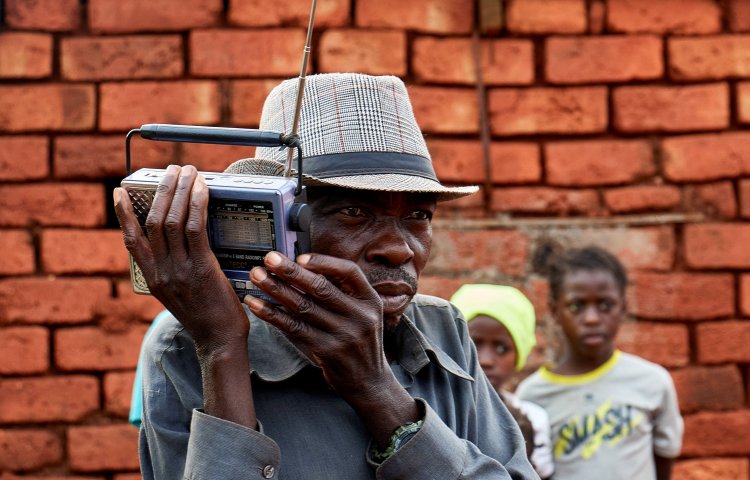
In eastern DRC, journalists face death, arson threats for reporting on war
Government-allied Wazalendo militiamen have threatened to kill or capture one reporter and to burn down another’s radio station because of unfavorable coverage, as frontlines shift under diplomatic pressure for peace in eastern Democratic Republic of the Congo. The Rwanda-backed M23 and Congo River Alliance (AFC) rebels — who made unprecedented territorial gains in early 2025…
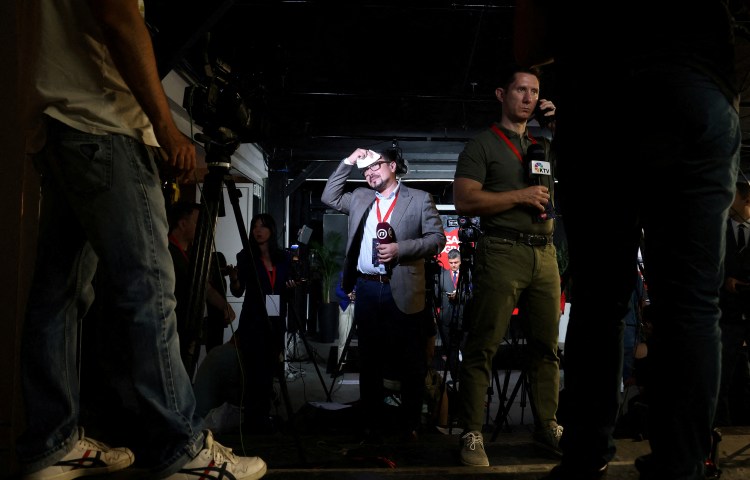
CPJ, partners publish report documenting dangerous spiral of violence against journalists in Serbia
The Committee to Protect Journalists and partner organizations on Thursday published a report documenting rising attacks, threats, police violence, and smear campaigns against journalists in Serbia, as well as persistent impunity for those responsible. Based on an international fact-finding mission to Belgrade in March 2026, the report also examines legal and digital threats to the…
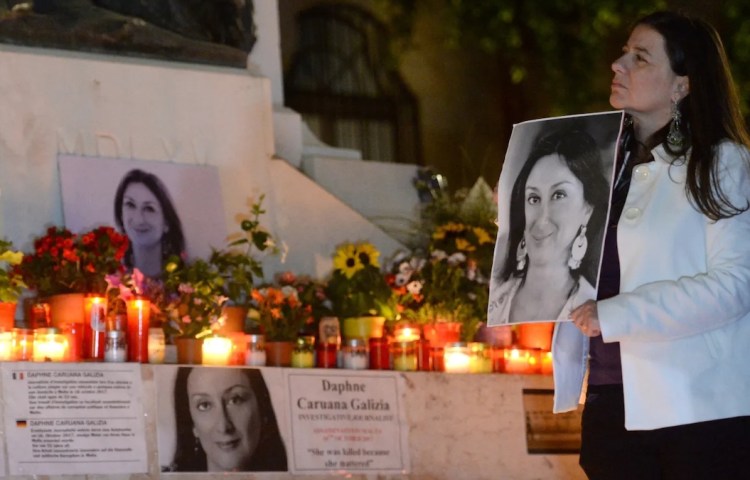
Daphne Caruana Galizia’s murder: Landmark trial puts Malta’s press freedom back in spotlight
More than eight years after the assassination of Maltese journalist Daphne Caruana Galizia sent shockwaves through Europe, all eyes are once again on the capital Valletta, where the alleged mastermind of her murder has been on trial since July 1. Yorgen Fenech, a powerful businessman, is standing trial on a charge of complicity in murder…
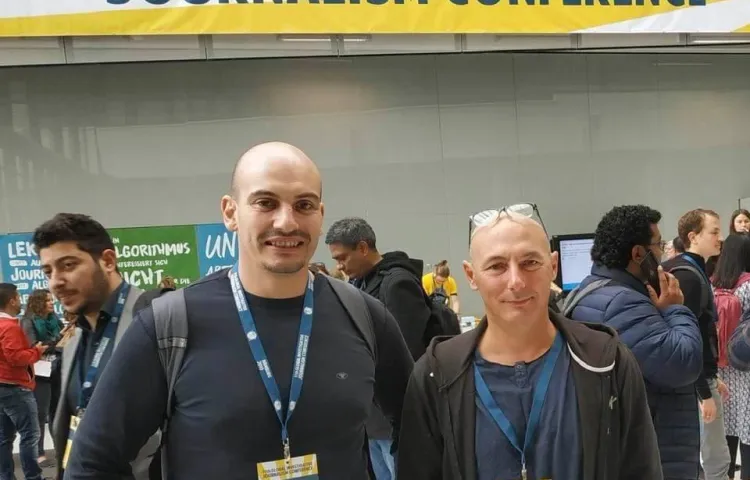
Bulgarian investigative journalist Dimitar Stoyanov faces threat of violence
Berlin, June 24, 2026—Bulgarian authorities must thoroughly investigate reports that prominent journalist Dimitar Stoyanov is facing threats of violence linked to his reporting and act immediately to guarantee his safety, the Committee to Protect Journalists said Wednesday. The Bureau for Investigative Reporting and Data (BIRD), where Stoyanov works, told CPJ that two anonymous witnesses had…
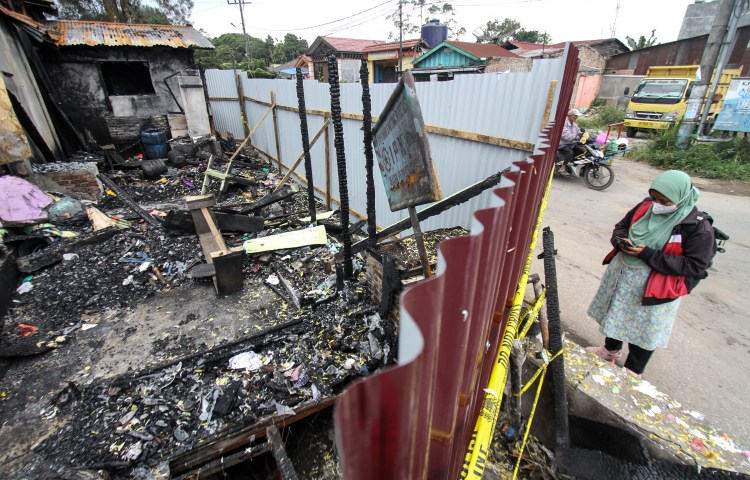
CPJ, FPU report exposes serious flaws in Indonesia’s investigation of journalist’s murder
New York/Amsterdam, June 22, 2026—Ahead of the second anniversary of a deadly arson attack on Indonesian journalist Rico Sempurna Pasaribu and his family, a new investigation by the Committee to Protect Journalists (CPJ) and Free Press Unlimited (FPU) has uncovered major flaws in the murder case that highlight the Southeast Asian nation’s poor record of ending impunity…
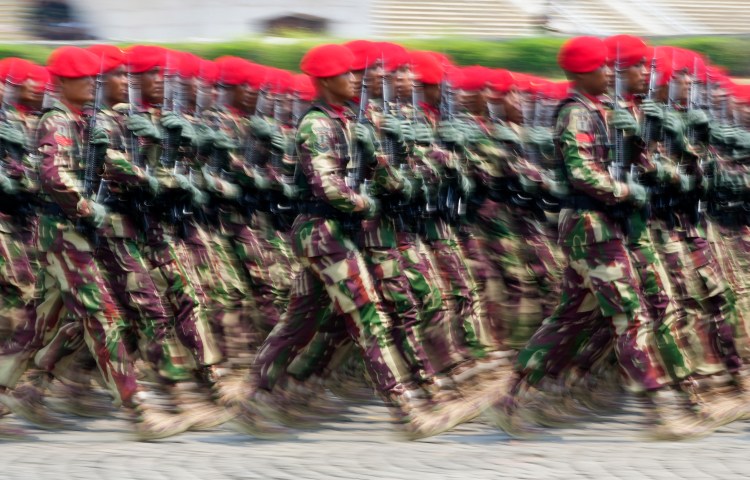
Chicken heads sent to Indonesian news outlet after threats over coverage of Papua documentary
Jakarta, June 11, 2026—The Committee to Protect Journalists condemns the repeated harassment of Indonesian news site Floresa following its coverage of an investigative documentary about deforestation in Papua province caused by aggressive agribusiness expansion. On June 5, a Floresa journalist discovered three rotten chicken heads outside the outlet’s office in Labuan Bajo, East Nusa Tenggara,…
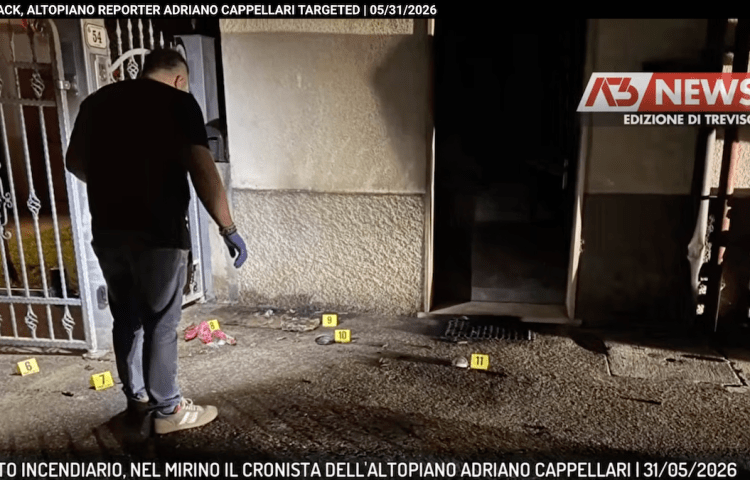
UPDATE: Arson attack targets Italian journalist Adriano Cappellari after mob-related threats
[Editor’s note: On July 29, 2026, Italian prosecutors placed journalist Adriano Cappellari under investigation on suspicion of staging the May 2026 arson attack on his home, fabricating earlier death threats, and making false reports to authorities. CPJ is monitoring the investigation.] Berlin, June 3, 2026—The Committee to Protect Journalists calls on Italian authorities to swiftly complete their…