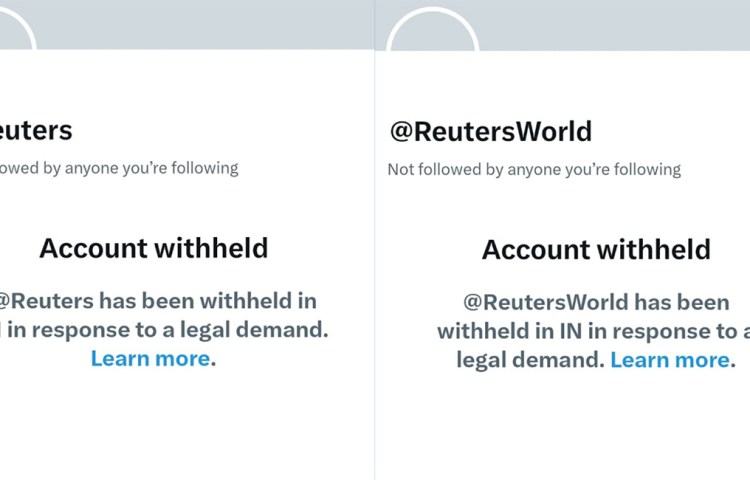
X accuses India of press censorship after it blocks news outlets’ accounts
New Delhi, July 10, 2025—The Committee to Protect Journalists calls for greater transparency and due process in how Indian authorities handle social media restrictions, following reports of the temporary block of multiple international news organizations’ X accounts over the weekend. X accused the Indian government of censoring the press. “This incident once again underscores the serious lack of transparency and…
Turkish court orders social media accounts blocked despite ruling that banned police ‘virtual patrolling’
Istanbul, August 27, 2024—The Committee to Protect Journalists urges X, formerly Twitter, site administrators not to comply with a Turkish court’s order to block accounts belonging to several journalists and media outlets. “Turkish authorities continue to practice the ‘virtual patrolling’ and censorship of social media users under the false guise of national security,” said Gulnoza…
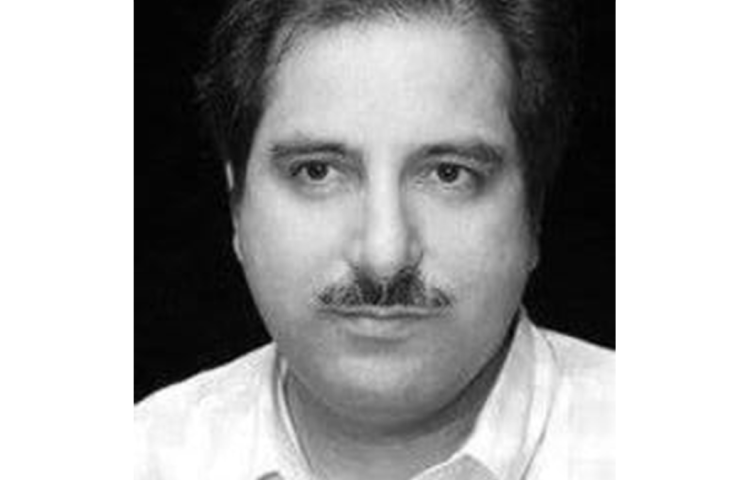
Kashmiri journalist Iftikhar Gilani receives threatening messages online
On August 6, 2023, an anonymous user posted on X, previously known as Twitter, accusing Kashmiri journalist Iftikhar Gilani of collaborating with Indian authorities in monitoring the activities of Kashmiris in Turkey, including those supporting the “pro-[K]ashmir struggle.” The post accused Gilani of committing “crimes and traitorous acts,” according to Gilani and CPJ’s review of…
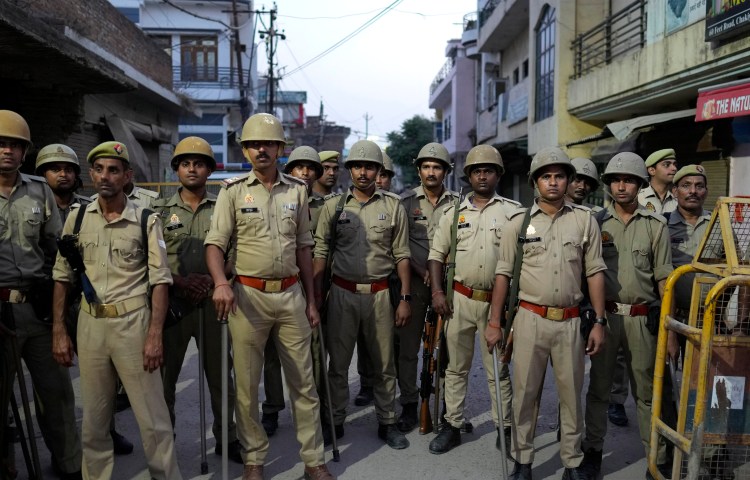
Journalists in India arrested, threatened, suspended from Twitter in separate incidents
In March 2023, India saw a number of attacks on press freedom, including the arrest of Kashmiri journalist Irfan Mehraj; the suspension in India of Twitter handles belonging to an outlet and at least three journalists; and death threats to journalist and fact-checker Mohammed Zubair. On March 20, the National Investigation Agency, India’s counterterrorism body,…

CPJ joins call for Nigeria to maintain internet, social media access during 2023 elections
The Committee to Protect Journalists joined an open letter by the KeepItOn coalition of press freedom and human rights groups on February 16, 2023, calling on Nigerian President Muhammadu Buhari and other officials to “ensure that the internet, social media platforms, and all other communication channels remain free, open, secure, inclusive, and accessible” during the…
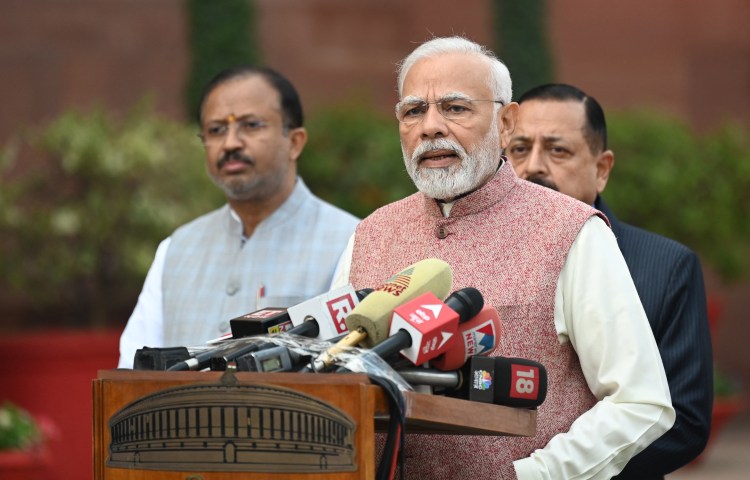
CPJ: India’s blocking of BBC documentary on PM Modi contradicts commitment to democracy
New Delhi, January 23, 2023 – In response to Indian authorities’ restricting access to the BBC documentary “India: The Modi Question” on YouTube and Twitter, the Committee to Protect Journalists issued the following statement calling for access to the documentary to be restored: “The Indian government’s order to social media platforms to block a BBC…
CPJ calls for Twitter to restore accounts of suspended journalists, commit to media freedom
New York, December 16, 2022—Twitter should immediately reinstate the journalists whose accounts it suspended without notice and explicitly commit to practices that defend a free and independent media, Jodie Ginsberg, president of the Committee to Protect Journalists, said in a statement Friday. Responding to news reports that Twitter had suspended the accounts of at least…
CPJ deeply concerned by dissolution of Twitter Trust and Safety Council
New York, December 12, 2022 – On Monday evening, the Committee to Protect Journalists (CPJ) received an email from Twitter announcing the company’s decision to dissolve the Trust and Safety Council, an advisory group comprised of civil society organizations of which CPJ is a longstanding member. According to the email, Twitter will continue to engage…
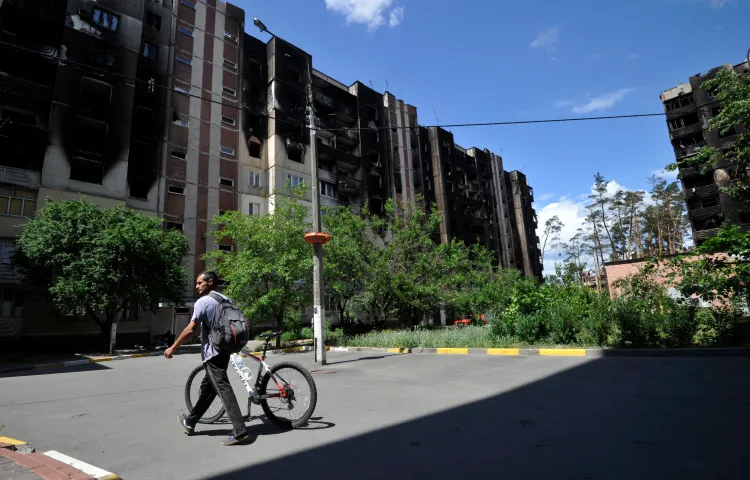
Russia-Ukraine watch
How the war is affecting press freedom in the region Updated June 16, 2022 Russia’s February 24 full-scale invasion of Ukraine marked a sharp escalation in threats to press freedom in the region and beyond. Journalists in Ukraine have been killed covering the war, while many of their Russian counterparts have fled or faced persecution….