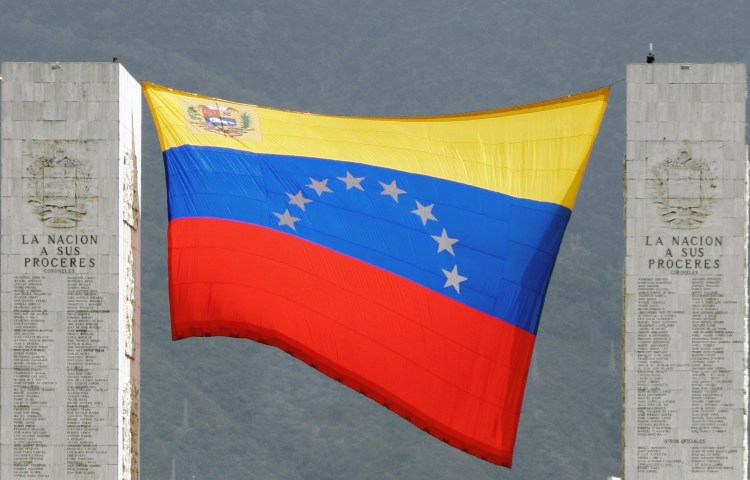
CPJ, partners submit report to the UN on Venezuela UPR
The Committee to Protect Journalists and other six international and local organizations submitted to the United Nations a report on freedom of expressions and press freedom in Venezuela that will be examined during the fourth cycle of the Universal Periodic Review (UPR), at the 54th session of the UPR Working Group, scheduled for January–February 2027….

CPJ urges Rwanda to improve press freedom ahead of UN rights review
The Committee to Protect Journalists has called on Rwanda to release all journalists imprisoned for their work and to investigate allegations that prison officials have mistreated and tortured journalists, in a report to the United Nations Human Rights Council ahead of Rwanda’s Fourth Cycle Universal Periodic Review (UPR) on January 21. During the review, U.N….
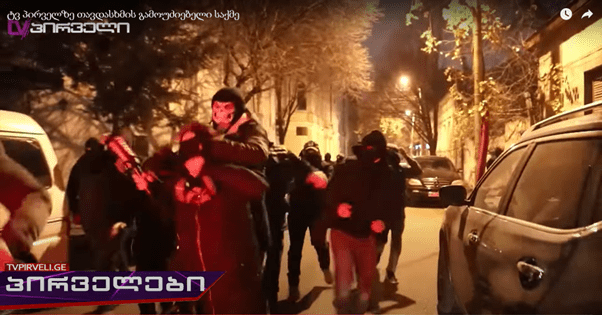
CPJ submission to UN shows significant media repression in Georgia
New York, July 31, 2025—The Committee to Protect Journalists and the Media Advocacy Coalition of Georgia have submitted a report on the state of press freedom and journalist safety in Georgia to the United Nations Human Rights Council ahead of January’s 51st Universal Periodic Review (UPR) session. The submission details a sharp decline in media…

CPJ, others call on Nicaragua to reverse decision to leave UNESCO
The Committee to Protect Journalists joined six other international press freedom organizations in a statement urging the Nicaraguan government to reverse its May 4 decision to withdraw from the United Nations Educational, Scientific, and Cultural Organization (UNESCO), saying the move further erodes freedom of expression in the country. UNESCO Director-General Audrey Azoulay confirmed Nicaragua formally…

CPJ: UK must lead joint statement on Egypt at UN Human Rights Council
The U.K. government must lead on a joint statement addressing Egypt’s human rights crisis, according to a February 19 letter sent by the Committee to Protect Journalists and 24 other press freedom and human rights organizations to U.K. Foreign Secretary David Lammy ahead of the 58th session of the U.N. Human Rights Council. The letter…

CPJ, partners urge Guinea-Bissau to improve press freedom ahead of UN review
The Committee to Protect Journalists joined two other press freedom organizations in calling on authorities in Guinea-Bissau to accept and implement recommendations to improve its press freedom record at the country’s January 2025 Universal Periodic Review (UPR). The UPR is a peer review mechanism of the United Nations Human Rights Council, through which the human…

On eve of UN human rights review, CPJ, 10 others urge Nicaragua to stop persecuting journalists
The Committee to Protect Journalists and 10 other journalism and human rights groups sent a letter on Monday, November 11, to the United Nations Human Rights Council (UNHRC) in Geneva ahead of its November 13 Universal Periodic Review (UPR) of Nicaragua’s human rights record. The letter is a response to a September report by the…
CPJ urges Ethiopia to commit to press freedom during UN human rights review
The Committee to Protect Journalists calls on Ethiopian authorities to accept and implement recommendations on improving press freedom conditions and guaranteeing the safety of journalists during the United Nations’ upcoming review of its human rights record. Earlier this year, CPJ submitted a report assessing Ethiopia’s press freedom and journalist safety record from 2019, as part…
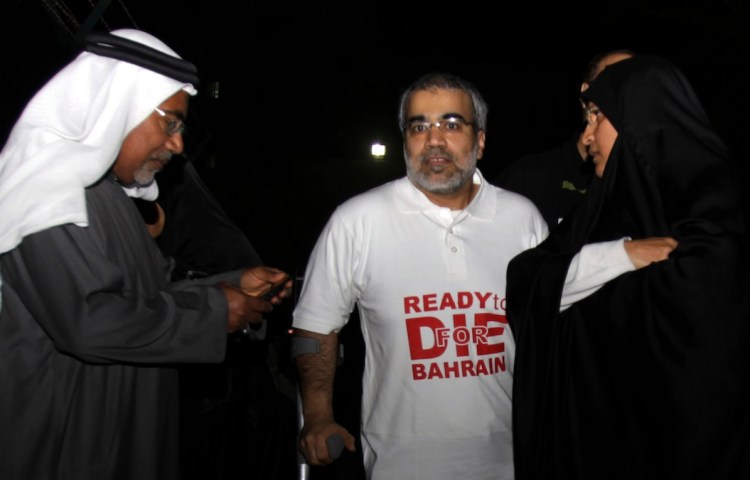
CPJ, 28 others urge UN to prioritize human rights in Bahrain
On September 23, the Committee to Protect Journalists joined 28 human rights organizations during the 79th session of the United Nations General Assembly in urging all member states to address human rights concerns in Bahrain, including the ongoing arbitrary detention of journalists, human rights defenders, scholars, bloggers, and opposition leaders. The letter included the case…
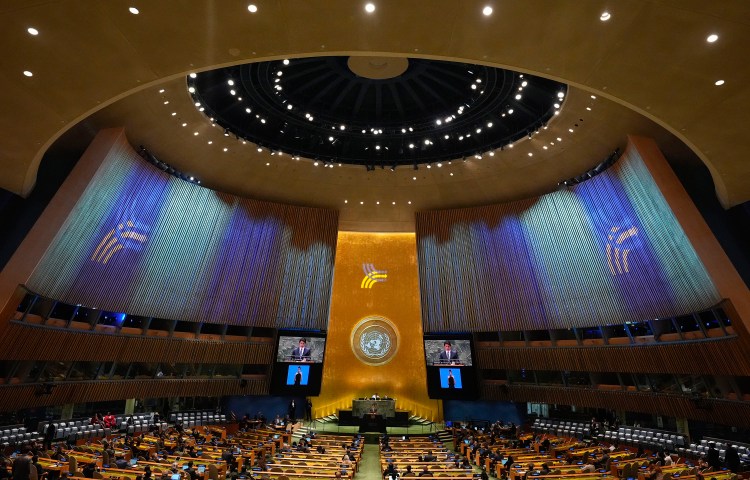
CPJ calls for stronger action to safeguard press freedoms at UN Summit of the Future
Ahead of the United Nations’ Summit of the Future that began Sunday, the Committee to Protect Journalists and 123 other signatories released a statement September 19, 2024, welcoming the final revision of the Pact for the Future and urging strong action to safeguard media freedom, freedom of expression, and access to information. The Pact for…