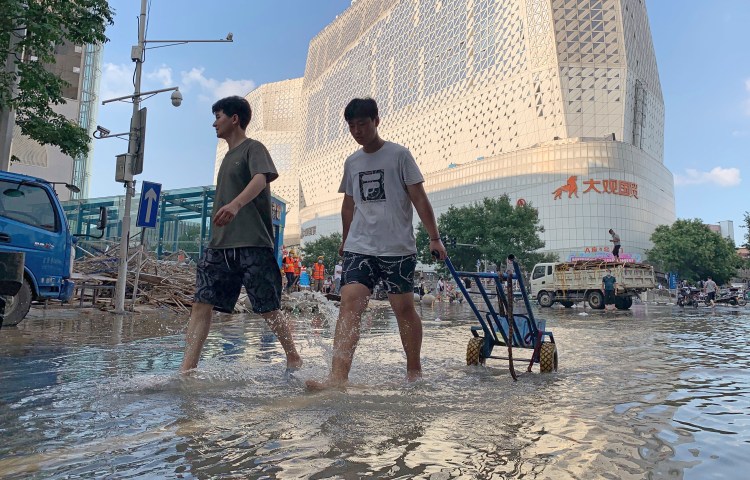
International journalists face intense harassment, threats of violence while covering flooding in China
Taipei, July 26, 2021—Chinese authorities should ensure that all journalists can report without fear of violence and harassment, the Committee to Protect Journalists said today. On July 24, a crowd of angry bystanders in Zhengzhou City, Henan Province, surrounded and confronted journalists from the Los Angeles Times and the German public broadcaster Deutsche Welle while…
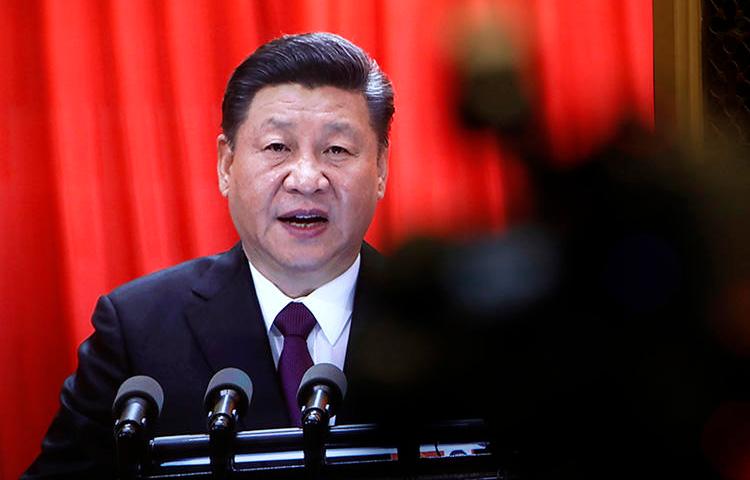
Censorship, surveillance, and harassment: China cracks down on critics
Hours after the Chinese Communist Party proposed a constitutional change last month to lift presidential term limits, any words or phrases that remotely suggested President Xi Jingping was seeking a life term were blocked from social media. Censors targeted everything from “Emperor Xi,” “The Emperor’s Dream,” and “Dream of Returning to the Great Qing,” to…
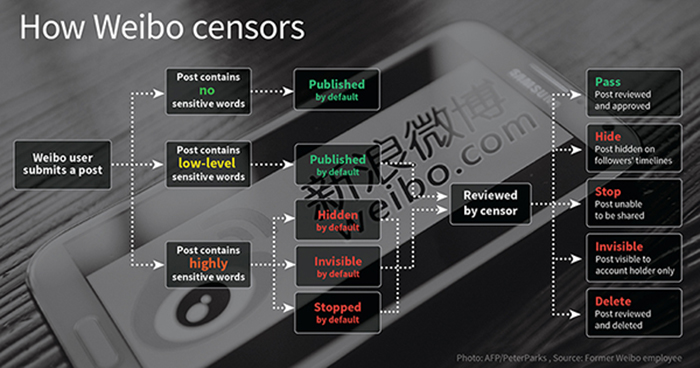
Read and delete: How Weibo’s censors tackle dissent and free speech
The Chinese microblogging site Weibo has a huge following, with around 100 million users posting every day. For those living in China, one of CPJ’s 10 most censored countries, the social network offers the chance to discuss and share news that is often blocked in mainstream outlets.
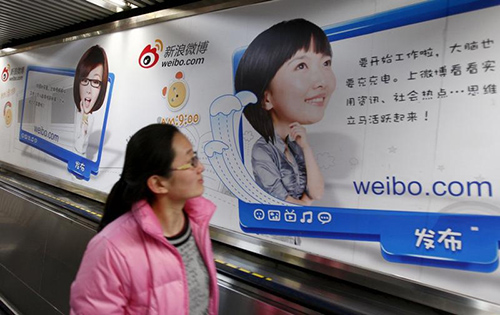
The business of censorship: Documents show how Weibo filters sensitive news in China
When journalists at the Guangdong-based Southern Weekly found that their 2013 new year editorial had been changed, without their knowledge, to exalt the virtues of the Communist Party, they took their outrage to the Chinese microblogging site Weibo.
Journalists overcome obstacles through crowdfunding and determination
During South Africa’s Boer War, at the turn of the 20th century, a determined news organization relocated reporters, copy editors, and printing presses to the front line to ensure accurate reporting. In the Warsaw Ghetto, during World War II, a literal underground press, established to counter Nazi propaganda, required the nightly movement of cumbersome printing…
In China, journalist released after weeks in jail
Shi Ping, a Henan-born Time Weekly journalist who wrote under the penname Shi Yu, was arrested on May 26, 2014, in connection with his alleged attendance at small-scale Tiananmen memorial events, the journalist said on his Weibo microblog page. He was accused of “gathering a crowd to disturb social order.”
In China, reporter’s death sparks questions on censorship
Twenty-four-year-old Bai Lu was just four days into her new job as a journalist at the Urumqi Evening Post when she was killed. She and her colleague, Chen Aiying, were struck by a bulldozer while reporting at a major construction project on April 18 in the city of Urumqi in Xinjiang province. Chen was seriously…
China decrees use of foreign news must be approved
You have to wonder how this will be enforced, but China’s State Administration of Press Publication, Radio, Film and Television has issued a “Notice on Strengthening Control of Media Personnel’s Online Activities” (关于加强新闻采编人员网络活动管理的通知). Chinese media organizations have been told to stop posting foreign media news without government permission: “Without authorization, no kind of media outlets shall arbitrarily…