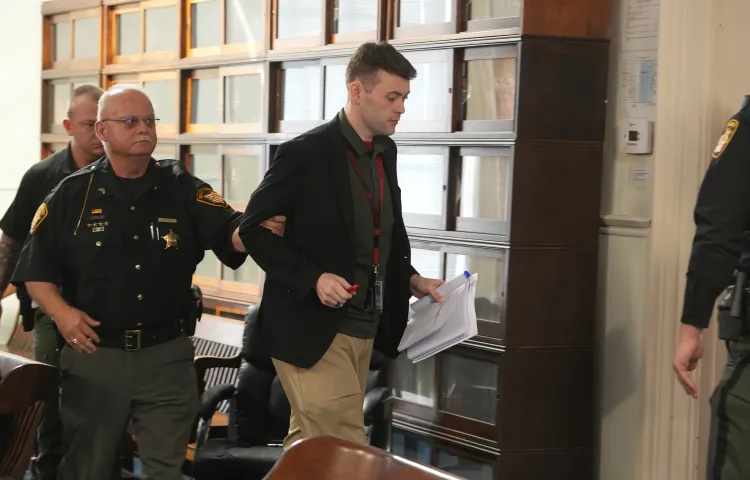
CPJ alarmed by wiretapping charges against Ohio newspaper editor
Washington, D.C., November 8, 2022 — Authorities in Pike County, Ohio, should immediately drop all charges against journalist Derek Myers and return equipment seized from Myers and his newsroom, the Committee to Protect Journalists said Tuesday. The Pike County Sheriff charged Myers, editor-in-chief of local news website the Scioto Valley Guardian, with wiretapping on October…
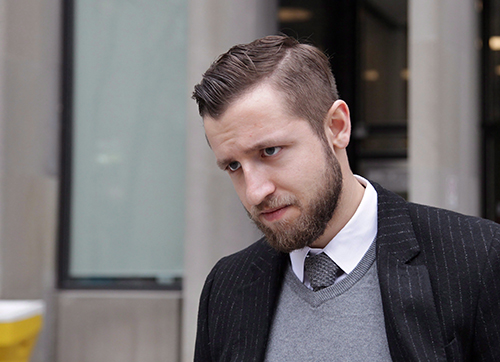
Surveillance of journalists and court orders puts Canada’s press freedom at risk
On February 6, VICE News reporter Ben Makuch is due to appear in court to appeal an order requesting that he hand over details of his communication with a source. The hearing comes ahead of a day of action being planned in Canada for February 25, when press freedom and privacy activists are due to…
CPJ examines press freedom under Obama
Upcoming report looks at leak investigations and surveillanceNew York, September 30, 2013– The Committee to Protect Journalists will release its first comprehensive report on press freedom conditions in the United States. Leonard Downie Jr., former Washington Post executive editor and now the Weil Family Professor of Journalism at Arizona State University’s Walter Cronkite School of Journalism and Mass Communication,…
UK surveillance plan must be watched carefully
When journalists make enemies in high places, they become vulnerable to the powers those figures wield. One such power is the state’s capacity to wiretap and obtain personal records from communications companies. From Colombia’s phone-tapping scandal to last year’s case of Gerard Davet–a Le Monde reporter whose phone records were obtained by the French intelligence…
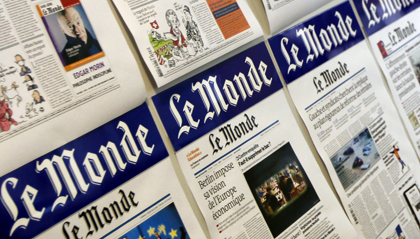
Le Monde sues French president’s office
The newspaper Le Monde against the Elysée Palace, the office of the president of the French Republic: Two of France’s main symbols of influence and power are facing each other in a judicial battle that promises to be a litmus test in the running battles between the press and Nicolas Sarkozy’s so-called “imperial presidency.”
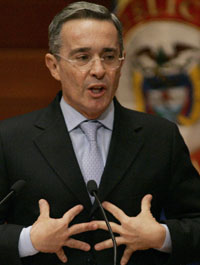
Uribe to CPJ, FLIP: ‘Illegal spies are enemies of Colombia’
Bogotá, February 17, 2010—Colombian President Alvaro Uribe Vélez said on Tuesday that those who illegally spy on the press are “enemies of his government” during a meeting with a delegation from the Committee to Protect Journalists and the Foundation for Freedom of the Press (FLIP). Uribe issued the statement at the urging of the CPJ and…
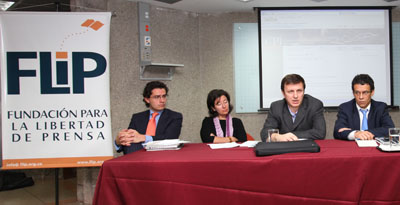
Colombian government tells CPJ it ‘rejects’ illegal spying
Shortly after arriving in Bogotá to launch Attacks on the Press, I realized the Colombian government was well aware of our concerns about illegal espionage against the media. Top government officials, including President Alvaro Uribe Vélez, had confirmed meetings with a delegation from CPJ and the local press freedom group Foundation for Freedom of the…
Newsweekly reveals twist in Colombian wiretapping scandal
Last week’s cover story in the leading Colombian newsweekly Semana—known for investigations that have shaken the core of the administration of President Alvaro Uribe Vélez—revealed further evidence of illegal wiretapping of journalists by the Administrative Department of Security (DAS), the country’s national intelligence service. The article, titled “A handbook for threats,” disclosed outrageous details about the intimidation techniques…