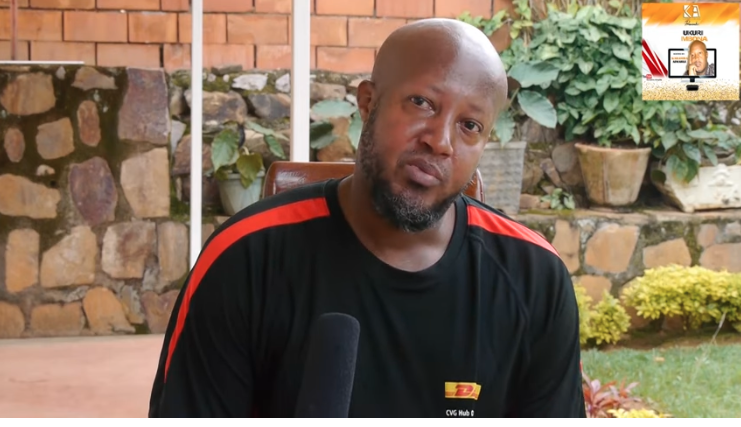
Rwandan YouTuber dies of alleged overdose on day of release from prison
Nairobi, May 8, 2026—The Committee to Protect Journalists calls for an independent and credible investigation into the death of Rwandan YouTube commentator Aimable Karasira Uzaramba on Wednesday, the day of his scheduled release from prison at the end of his five-year sentence. In a statement, the Rwanda Correctional Service (RCS) said that 48-year-old Karasira died…
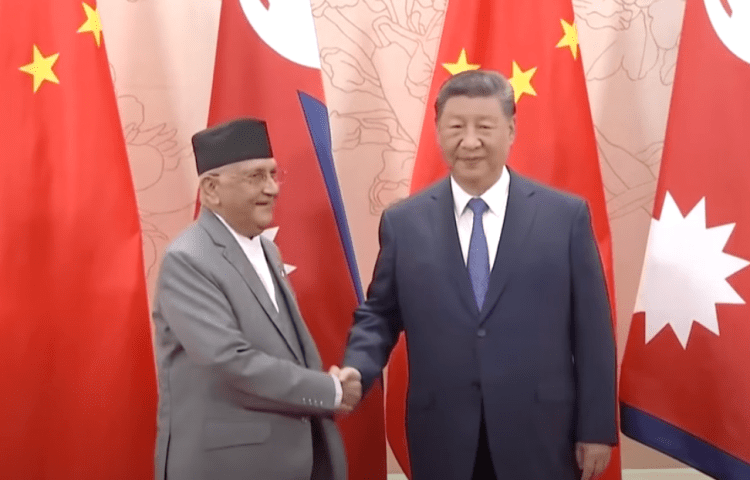
Nepal orders ban on major social media platforms
Editor’s Note: On September 9, Nepal’s government lifted its ban on social media platforms after 19 people were killed in mass protests. New Delhi, September 4, 2025—The Committee to Protect Journalists warns that the Nepali government’s decision to block access to social media platforms across the country will seriously hinder journalists’ work and people’s access…
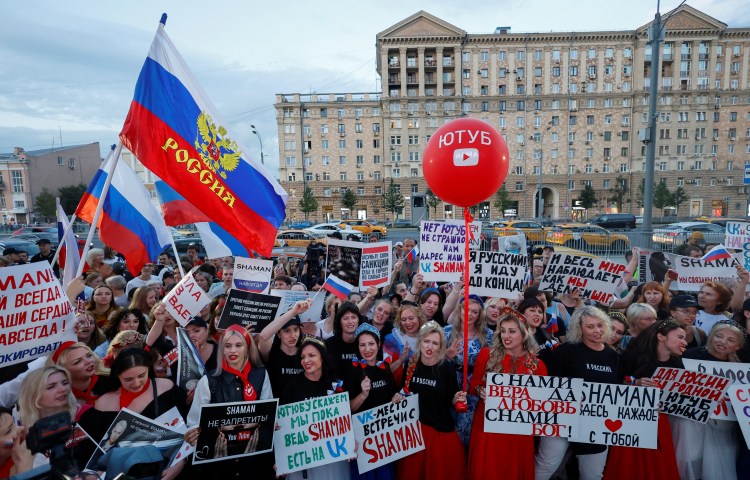
CPJ: Russia’s YouTube slow down another blow to independent reporting
Berlin, August 7, 2024 — Russia’s plans to hamper the operations of YouTube – the country’s most popular social media channel and a major platform for exiled Russian media outlets – is yet another form of censoring the news available to Russian audiences, the Committee to Protect Journalists said on Wednesday. “This intentional throttling of YouTube is a blatant attempt to…
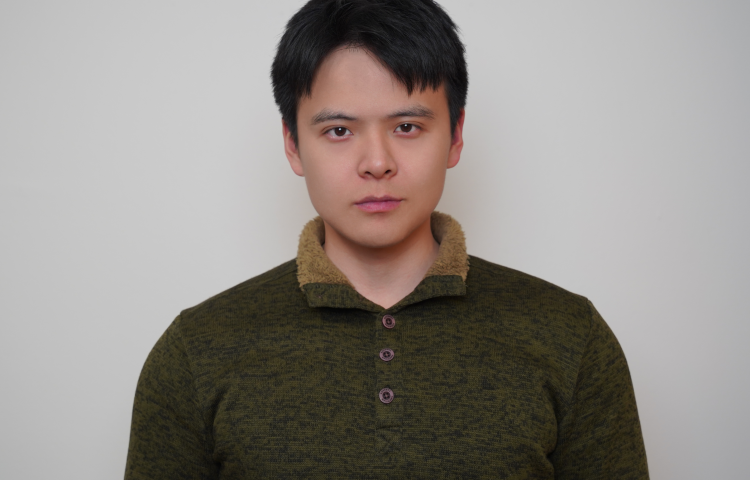
Chinese journalist held for reporting on Wuhan COVID outbreak wishes he’d done more
When reports of a novel respiratory virus spreading through Wuhan began to surface in early 2020, a few independent video journalists rushed to the city. Among them was Li Zehua, a former journalist for state broadcaster CCTV, who goes by the name Kcriss Li. Giving the slip to officials chasing down reporters who challenged the…
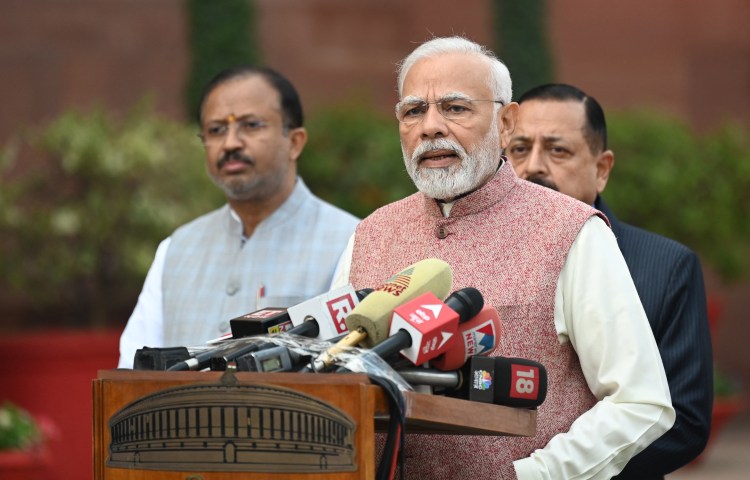
CPJ: India’s blocking of BBC documentary on PM Modi contradicts commitment to democracy
New Delhi, January 23, 2023 – In response to Indian authorities’ restricting access to the BBC documentary “India: The Modi Question” on YouTube and Twitter, the Committee to Protect Journalists issued the following statement calling for access to the documentary to be restored: “The Indian government’s order to social media platforms to block a BBC…
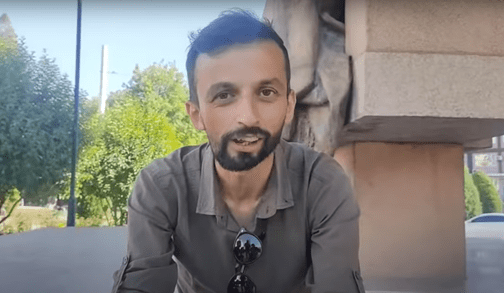
CPJ condemns 10-year prison sentence for Tajik journalist Daler Imomali
Stockholm, October 18, 2022—In response to news reports that independent journalist Daler Imomali on Monday, October 17, was sentenced to 10 years in prison in Tajikistan on multiple charges related to his reporting, including participation in banned organizations, the Committee to Protect Journalists issued the following statement condemning the ruling: “From the start, it has…
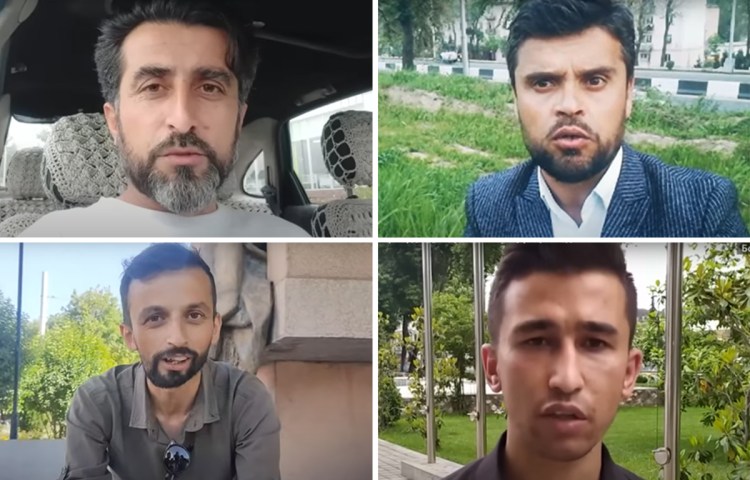
Tajikistan authorities announce further extremism investigations into 3 detained journalists
Stockholm, July 21, 2022 – Tajikistan authorities should drop criminal extremism and all other investigations into journalists Avazmad Ghurbatov, Zavqibek Saidamini, and Abdusattor Pirmuhammadzoda and release them and journalist Daler Imomali immediately, the Committee to Protect Journalists said Thursday. “The ongoing detentions and extremism investigations into four journalists known for their coverage of social injustices…
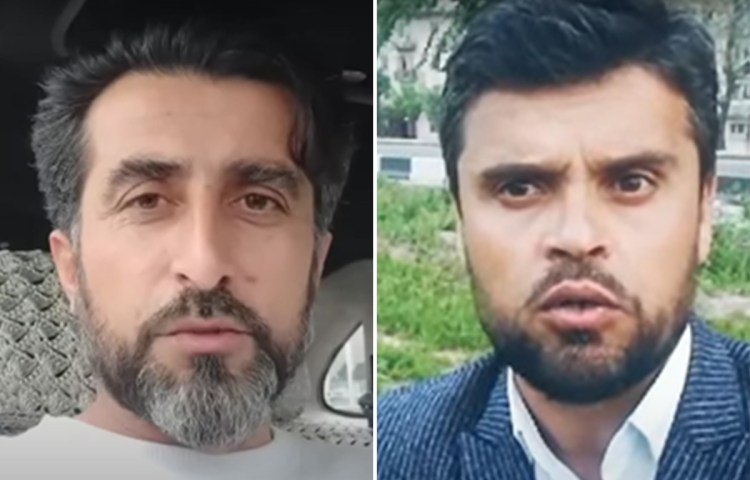
Tajikistan authorities arrest 2 journalists who criticized other journalists’ detentions
New York, July 14, 2022 – Tajik authorities should immediately provide information on the whereabouts of journalist Zavqibek Saidamini and blogger Abdusattor Pirmuhammadzoda and ensure they are released from custody at once, the Committee to Protect Journalists said Thursday. On the evening of July 8, plainclothes law enforcement officers in the capital, Dushanbe, detained Saidamini,…
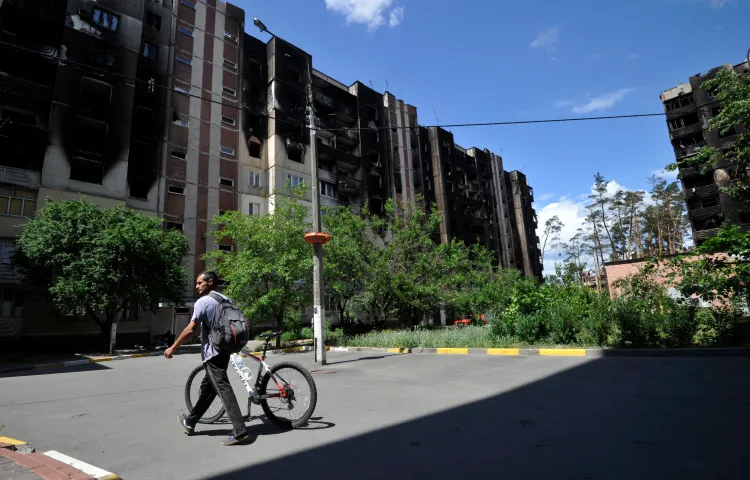
Russia-Ukraine watch
How the war is affecting press freedom in the region Updated June 16, 2022 Russia’s February 24 full-scale invasion of Ukraine marked a sharp escalation in threats to press freedom in the region and beyond. Journalists in Ukraine have been killed covering the war, while many of their Russian counterparts have fled or faced persecution….
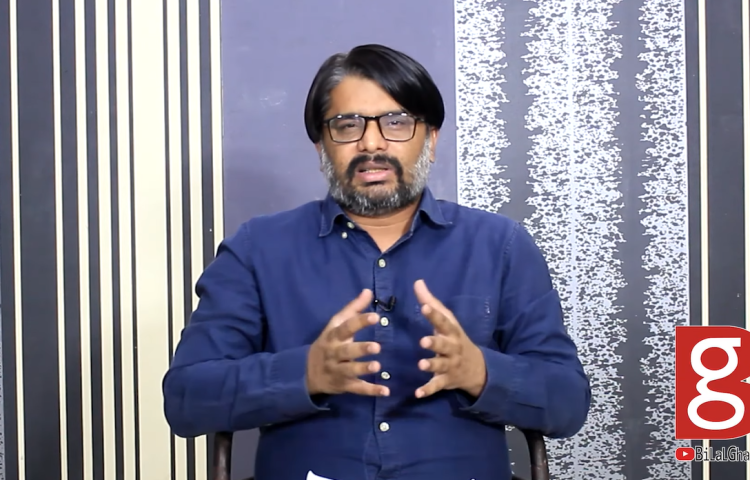
Pakistani journalist Muhammad Bilal Ghauri summoned over YouTube videos
Washington, D.C., June 22, 2021 – Pakistani authorities should cease harassing journalist Muhammad Bilal Ghauri and allow all members of the press to freely report on state institutions, including the military, the Committee to Protect Journalists said today. Today, M. Waseem Sikandar, a sub-inspector at the Federal Investigation Agency’s Cyber Crime Reporting Centre in Islamabad,…