New York, February 28, 2011—The Committee to Protect Journalists is alarmed by the ongoing attempts of governments in the Middle East to censor news coverage of protests. In Yemen, men stormed the Journalists’ Syndicate on Saturday, and in Iraq, journalists demanded apologies from the military after a crackdown on the press on Friday, and Baghdad Operations Command offered the apologies on Sunday.
On Saturday at around 11 a.m., three men in plainclothes arrived in a marked police vehicle and stormed the offices of the Yemeni Journalists’ Syndicate in Sana’a. The men called the journalists present “traitors” and threatened that they “will teach them a lesson,” Marwan Damaj, the head of the syndicate, told CPJ via phone. The syndicate filed a complaint with the Interior Ministry. The interior minister told Damaj that the government had nothing to do with the attack, he said. Damaj added that “there is anger from security forces and an attempt to prevent the press from covering the anti-government demonstrations.”
“Journalists covering the political turmoil and street protests in Yemen are already working under great risk to their safety so these threats are particularly worrying,” said CPJ Deputy Director Robert Mahoney. “The government must launch an immediate and credible investigation into this assault on the Yemeni Journalists Syndicate and bring those responsible to justice.”
Masdar Online, a popular Yemeni news website, has been blocked locally since Saturday, according to local journalists. It is the fifth time the website has been blocked since Masdar Online as launched in 2009, the site said. The editorial management said in a statement that the blockade was due to the website’s wide coverage of recent anti-government protests.
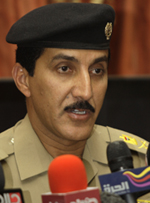
Qassim Atta, the head of Baghdad Operations Command, acceded to journalists’ demands for apologies for Friday’s attacks against the press. In an interview with Sumaria News, Atta said that on behalf of the Baghdad Operations Command he offered “an apology to all the journalists who were arrested and beaten by security forces while covering demonstrations on Friday.” He added that the arrests and beatings “were not intentional” and that “errors committed by security forces due to security conditions are not considered a restriction of press freedom.” He said that “the attacks on journalists in Tahrir Square Friday were a security measure to deal with riots that took place during demonstrations.”
“This is a start but the Iraqi government must do more than apologize–it must ensure that journalists can cover any public gathering without interference or harassment by security services,” Mahoney said.
In Friday’s crackdown on the press, 23 journalists announced they would boycott covering “activities of the commander in chief of the armed forces and the Baghdad Operations Command until a formal apology is presented along with assurances that what happened on February 25 will not be repeated,” according to a statement. Dozens of journalists were reportedly temporarily detained and Iraq’s Al-Diyar satellite TV was shut down as demonstrations progressed in Baghdad on Friday. Baghdad Operations Command allowed the TV station to resume its broadcast, Atta said.